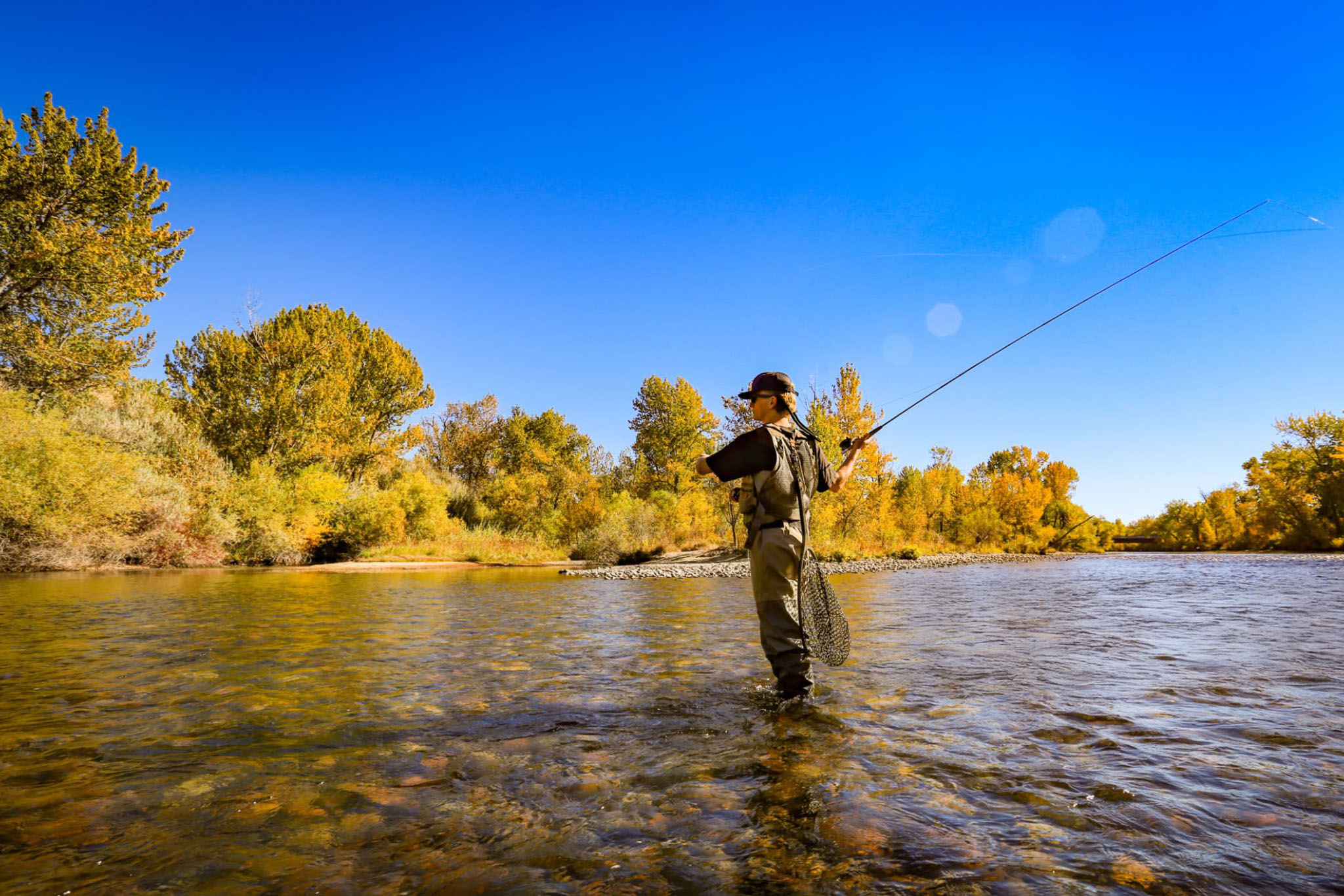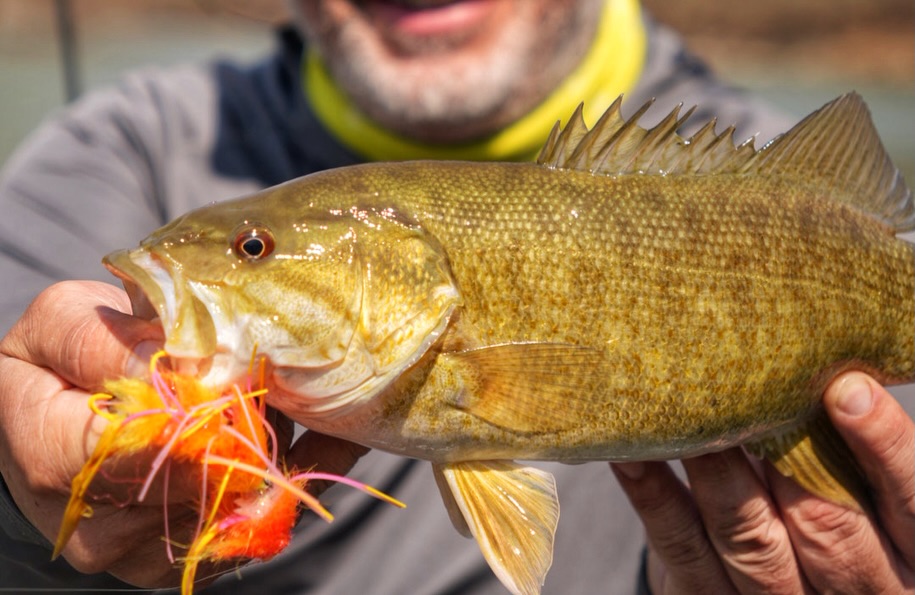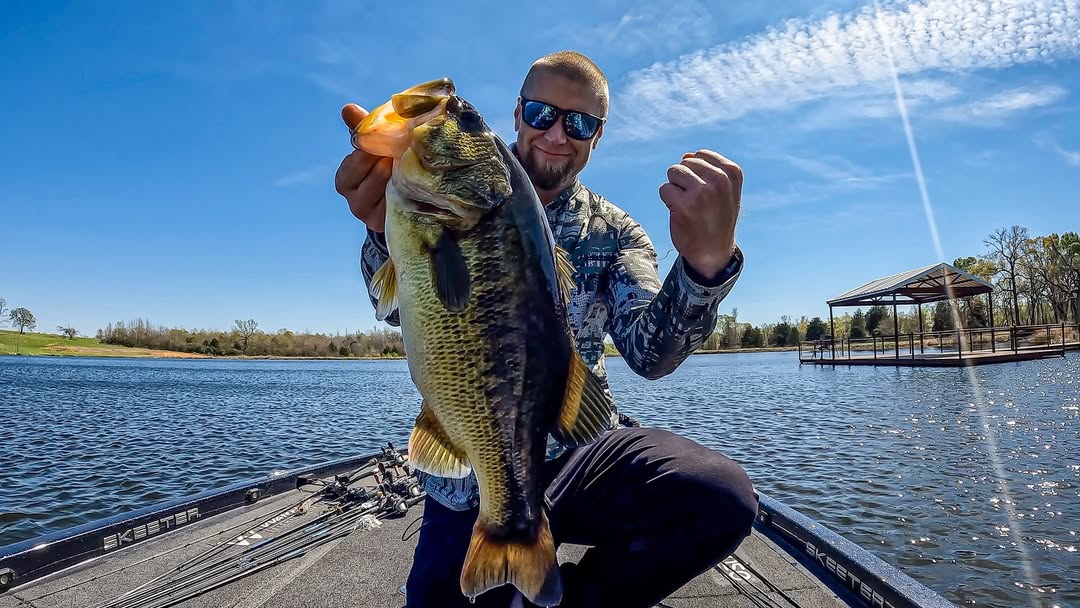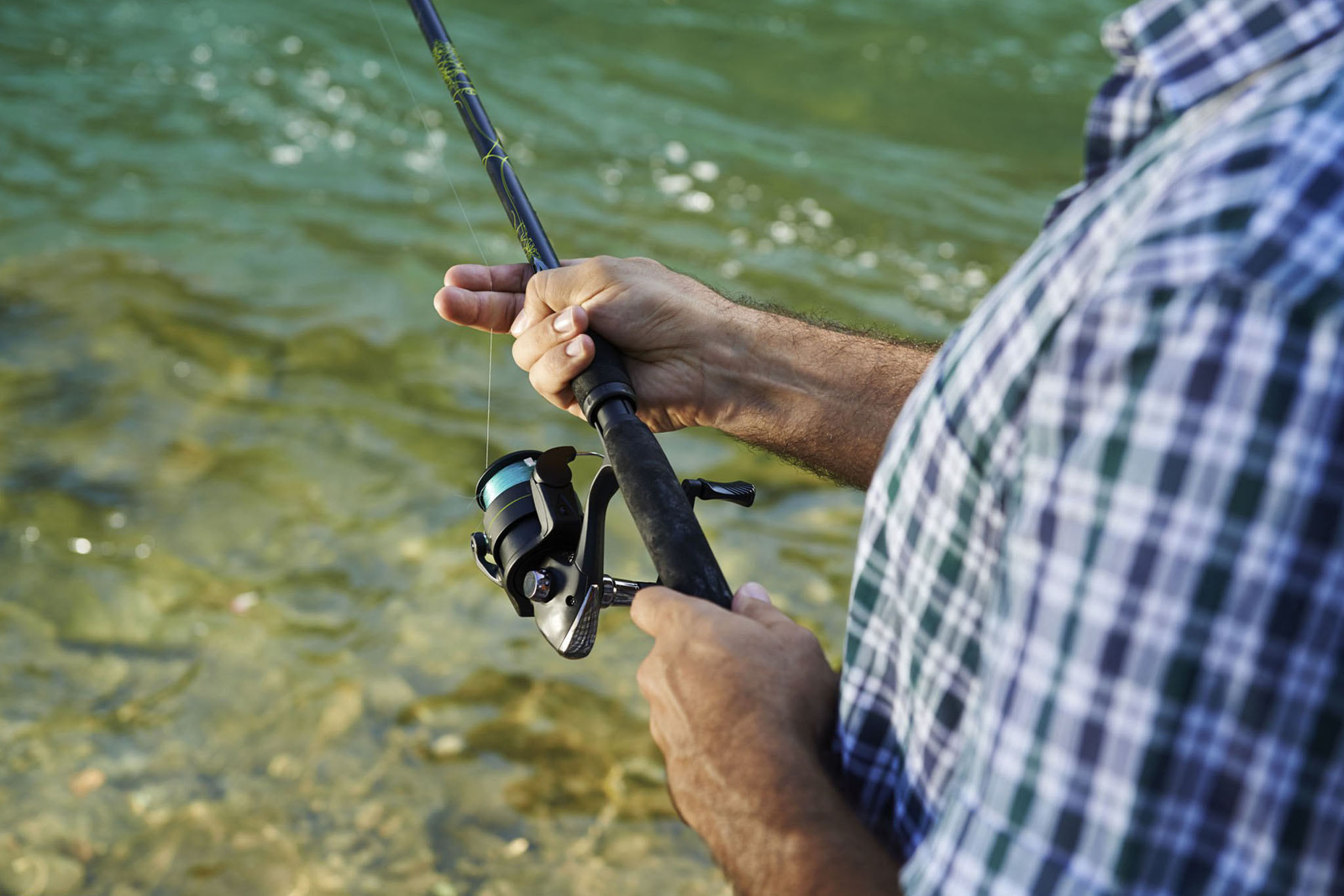
When it comes to freshwater fishing, timing isn’t just everything—it’s often the difference between a full stringer and going home skunked. Whether you’re casting into a slow-moving river or a glassy lake, knowing the best times of day to fish can drastically improve your odds.
In this guide, we’ll break down the most productive fishing windows, explain why fish behavior shifts with light and temperature, and give you practical tips to adjust your tactics depending on the season and body of water.
🎣 Why Timing Matters in Freshwater Fishing
Fish are cold-blooded creatures, meaning their activity levels are directly influenced by environmental factors—especially light, temperature, and oxygen levels. In lakes and rivers, these variables fluctuate throughout the day, prompting fish to feed, rest, or move to different zones.
Understanding these daily patterns gives you a serious advantage, whether you’re targeting bass, trout, crappie, walleye, or catfish.
🌅 Early Morning (5:00 AM – 9:00 AM): The Magic Hour
This is hands-down one of the best times to fish, especially in summer and fall.
Why It Works:
- Cooler water temps stimulate fish activity after a long, oxygen-depleted night.
- Low light reduces fish wariness, making them more aggressive.
- Bugs start hatching and surface activity increases.
Lake Tips:
- Look for bass cruising the shallows or near drop-offs.
- Try topwater baits like poppers or frogs around weed beds or docks.
River Tips:
- Cast near current seams, eddies, or under overhanging cover.
- Trout and smallmouth bass often feed close to shore in low light.
🌞 Midday (10:00 AM – 3:00 PM): Tough But Not Impossible
Midday fishing can be a grind, especially in summer when the sun is high and the water warms up. But that doesn’t mean it’s a dead zone.
Why It’s Challenging:
- Bright light drives many fish to deeper, cooler zones.
- Surface temps rise, reducing oxygen levels and fish metabolism.
How to Adjust:
- Go deeper with drop shot rigs, jigging spoons, or Carolina rigs.
- Target shaded structure—under docks, fallen trees, bridge pilings, or deep ledges.
- In moving rivers, fish may hold in fast water where oxygen levels are higher.
Pro Tip: On overcast or rainy days, this window can actually turn into a feeding frenzy—especially for species like bass and walleye.
🌇 Late Afternoon to Dusk (4:00 PM – Sunset): Second Prime Time
As the sun dips lower, the bite usually turns back on.
Why It Works:
- Water starts to cool, drawing fish back into shallower feeding zones.
- Insects hatch again, drawing panfish and predators to the surface.
- Shadows make fish more comfortable moving out from cover.
Lake Tips:
- Use spinnerbaits or crankbaits along weed edges and drop-offs.
- Fish start pushing back into the shallows—perfect time for topwater baits again.
River Tips:
- Cast across current and retrieve slow—fish may be waiting near rocks or submerged wood.
- Smallmouth and walleye often come alive during this time.
🌙 Night Fishing (After Sunset – 2:00 AM): A Hidden Gem
Night fishing isn’t for everyone, but for certain species and in hot summer months, it can be the most productive time on the water.
Best For: Catfish, walleye, striped bass, and largemouth bass (during summer)
Why It Works:
- Cooler water triggers feeding activity.
- Less boat traffic and angler pressure.
- Predatory fish move into shallow flats and rocky shorelines under cover of darkness.
Gear Tips:
- Use noisy lures like buzzbaits or black spinnerbaits to get their attention.
- Bring a headlamp with a red light setting—white light can spook fish and bugs.
- Fish near lights, docks, or bridges, which attract baitfish.
🕰️ Seasonal Considerations
The best time of day to fish also changes with the seasons:
- Spring: Fish are active throughout the day but especially during mid-morning and early evening. Water is still cool and oxygen-rich.
- Summer: Stick to early mornings, late evenings, and night fishing to avoid the heat and warm water shutdown.
- Fall: Cooler temps reignite feeding behavior. Midday can be surprisingly productive, especially before a cold front.
- Winter: Fish are sluggish. Midday warmth (11 AM – 2 PM) offers the best chance, especially in lakes.
🎯 Bonus Tips for Better Timing
- Watch the Moon Phases: New and full moons can enhance fish activity, especially at dawn and dusk.
- Check the Barometer: Falling pressure before a storm = great bite. Rising pressure after? Not so much.
- Match the Hatch: Morning and evening insect hatches in rivers often mean hungry trout and panfish.
- Avoid Busy Times: If you’re bank fishing, early mornings and late evenings mean less human noise and traffic.
- Use Apps: Tools like Fishbrain or Solunar calendars can give you real-time feeding windows.
Final Cast
There’s no one-size-fits-all answer to the perfect time to fish, but understanding how fish behavior changes throughout the day can help you fish smarter, not harder. The early bird might get the worm—but so might the night owl or the angler casting right before sunset.
So set your alarm, rig your gear, and time your next trip to hit those prime hours—you’ll be glad you did when your drag starts screaming.