Whether you’re casting off a dock at your local lake, hiking into remote alpine streams, or heading offshore for deep-sea monsters, having the right fishing rod can make or break your trip. But with so many rod types, lengths, actions, and materials on the market, how do you know which one fits your next adventure?
In this guide, we’ll break down the key factors you need to consider when choosing the perfect fishing rod—no matter where you’re headed or what you’re targeting.
1. Know Your Fishing Environment
Before diving into specs, think about where you’ll be fishing. Different environments call for very different rod characteristics.
🎣 Freshwater Lakes & Ponds
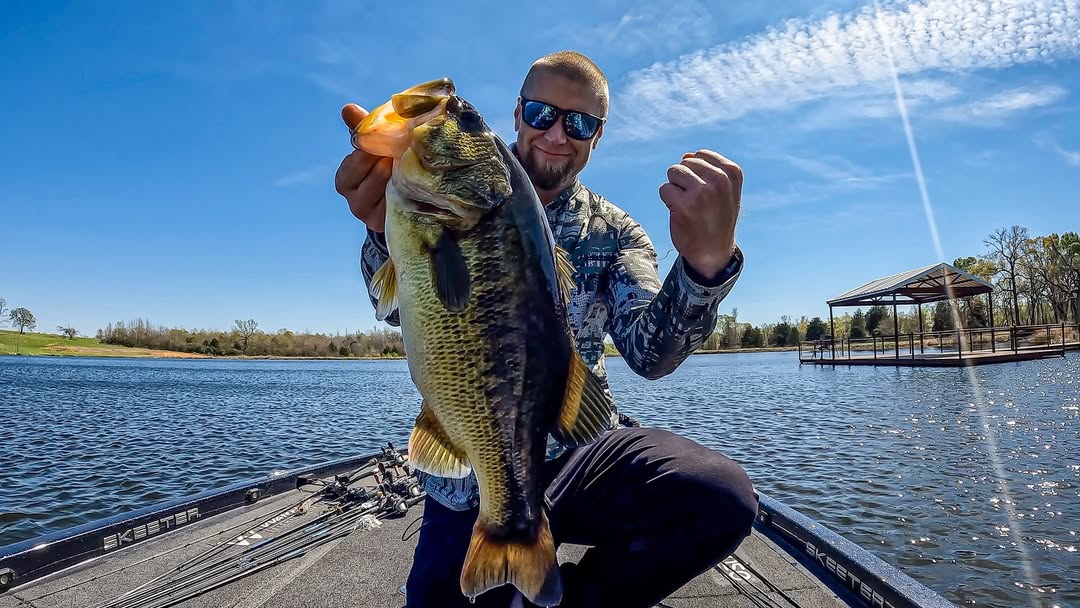
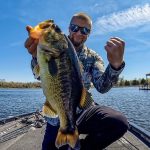
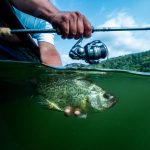
For bass, trout, crappie, and bluegill, a medium-power spinning rod around 6’6” to 7’ works great. It’s versatile enough for a range of lures and light cover.
🌊 Saltwater Surf Fishing
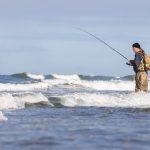
You’ll need a longer rod—typically 9’ to 12’—to help you cast past the breakers and handle larger species like striped bass or redfish. A heavy-action surf rod with corrosion-resistant components is key.
🛥️ Offshore & Deep-Sea Fishing
For battling tuna, grouper, or mahi-mahi, go with a conventional rod matched to a big-game reel. These rods are shorter (around 6’) but built like tanks for brute strength and leverage.
🥾 Backcountry Streams & Creeks
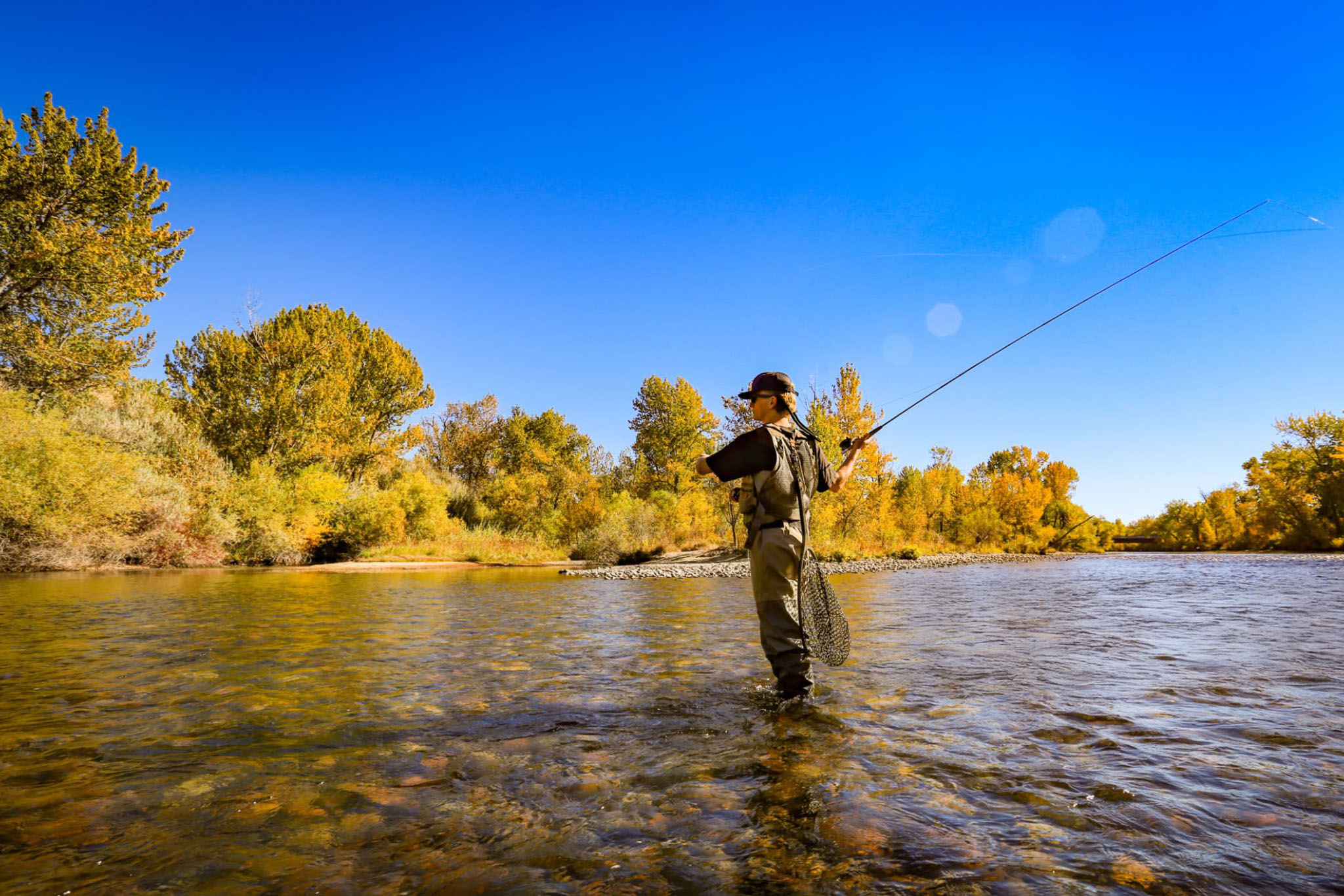
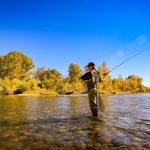
If you’re hiking into tight spots, consider a telescopic rod or a shorter ultralight spinning rod. For fly anglers, a 3wt or 4wt fly rod works beautifully for small mountain trout.
2. Pick the Right Rod Type
There are three main rod types, and each fits a different fishing style:
🔁 Spinning Rods
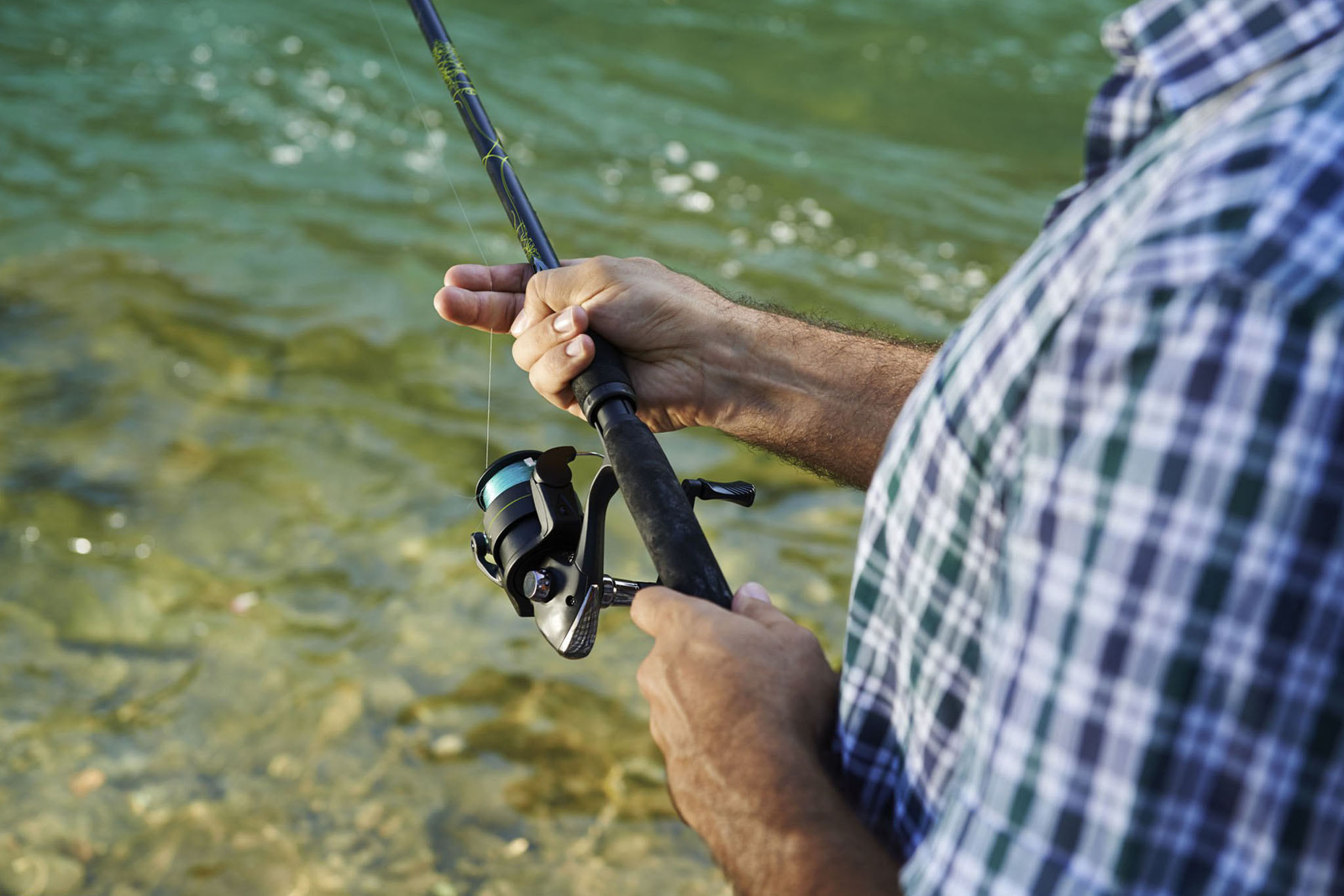
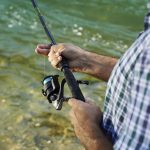
Great for beginners and versatile enough for most freshwater and light saltwater applications. They pair with spinning reels and are easy to cast, even with lighter lures.
🎰 Baitcasting Rods
Ideal for more experienced anglers who want more control and power—especially when casting heavier lures for bass, pike, or muskie. Baitcasters take practice but offer precision.
🪶 Fly Rods
Specifically designed for fly fishing. They don’t cast weight like traditional rods; instead, they cast the line itself. Rod weights (like 5wt, 8wt) correspond to the type of fish and water.
3. Understand Rod Power and Action
⚡ Rod Power (Strength)
- Ultralight: Small panfish and trout
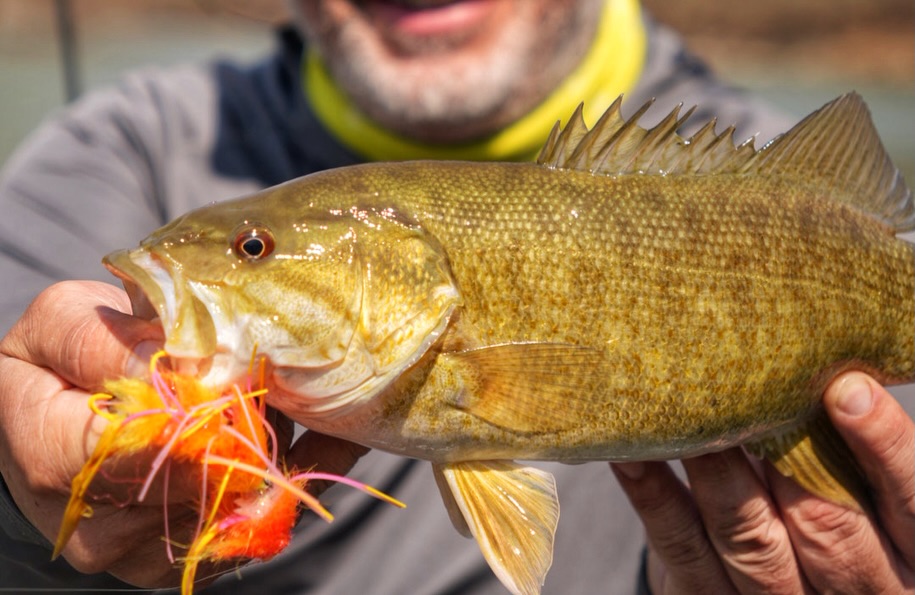
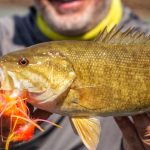
- Light: Smallmouth bass, perch
- Medium: Largemouth bass, catfish
- Medium-Heavy/Heavy: Pike, salmon, saltwater species
🌀 Rod Action (Flex)
- Fast Action: Rod bends mostly at the tip; great for sensitivity and single-hook lures like jigs and soft plastics.
- Moderate Action: Bends more through the rod; good for crankbaits and reaction baits.
- Slow Action: Bends all the way to the handle; better for light bites and live bait presentations.
4. Consider Rod Length
Rod length affects casting distance and leverage.
- Short Rods (5’6”–6’6”) offer better control and are ideal for tight spaces or vertical jigging.
- Mid-Length Rods (6’6”–7’6”) are the all-around sweet spot for most applications.
- Long Rods (8’–12’) help with casting distance, especially in surf or float fishing scenarios.
5. Material Matters
⚙️ Graphite
Lightweight and sensitive, perfect for feeling soft bites. But more brittle under heavy pressure.
🪵 Fiberglass
Tough, durable, and forgiving. Great for crankbaits and rough conditions, but less sensitive.
🔄 Composite
A mix of graphite and fiberglass. Balanced performance—ideal for anglers who want one rod that does it all.
6. Match Your Rod with the Right Reel
Choosing the correct reel to pair with your rod is crucial for balance and performance.
- Spinning rods go with spinning reels
- Casting rods go with baitcasting reels
- Fly rods go with fly reels
Match the size and capacity of the reel to your line and target species. A mismatched setup can throw off casting accuracy and fatigue your arm after a full day of casting.
7. Traveling? Look for Portability
For adventurers on the move, portability is key. Collapsible telescopic rods or multi-piece travel rods fit easily in a backpack or carry-on and perform surprisingly well if you choose a quality brand.
8. Don’t Forget Your Line & Lure Type
What kind of line and lure you plan to use also affects rod choice.
- Light lines/lures pair best with light or ultralight rods
- Heavy lures need a rod with more backbone (power)
- Techniques like finesse fishing, topwater, or jigging all have their ideal rod matches
Final Thoughts: The Best Rod is the One Built for Your Adventure
There’s no such thing as a one-size-fits-all rod. The best fishing rod for you depends on your destination, target species, skill level, and personal preferences.
If you’re just getting started, go with a medium-power, fast-action spinning rod around 6’6” to 7’. It’s a solid all-arounder that’ll serve you well in many scenarios.
But as you grow in your angling journey, refining your gear to match each specific adventure will elevate your success—and make every cast that much more rewarding.