Spring is arguably one of the most exciting times for anglers across the country. As the cold winter months give way to warmer temperatures, fish become more active, feeding aggressively and moving into shallower waters to spawn. This seasonal shift brings a surge of fishing opportunities — but knowing what’s biting and where to find them can make all the difference between a successful outing and a frustrating day on the water.
In this guide, we’ll break down the top species to target during spring, the best places to find them, and proven tactics to help you make the most of your spring fishing fever.
Why Spring Is Prime Time for Fishing
Spring triggers a biological reset in freshwater and saltwater ecosystems. Fish metabolism ramps up as water temperatures rise, meaning they need to eat more after a sluggish winter. Many species also begin their spawning runs or pre-spawn rituals, moving from deep water to shallows, making them more accessible to anglers.
This seasonal behavior creates perfect conditions for productive fishing, especially for species like bass, crappie, trout, walleye, and various saltwater fish. Plus, the longer daylight hours and milder weather make spring a welcoming time for anglers of all experience levels.
What’s Biting? Top Spring Targets
1. Largemouth and Smallmouth Bass
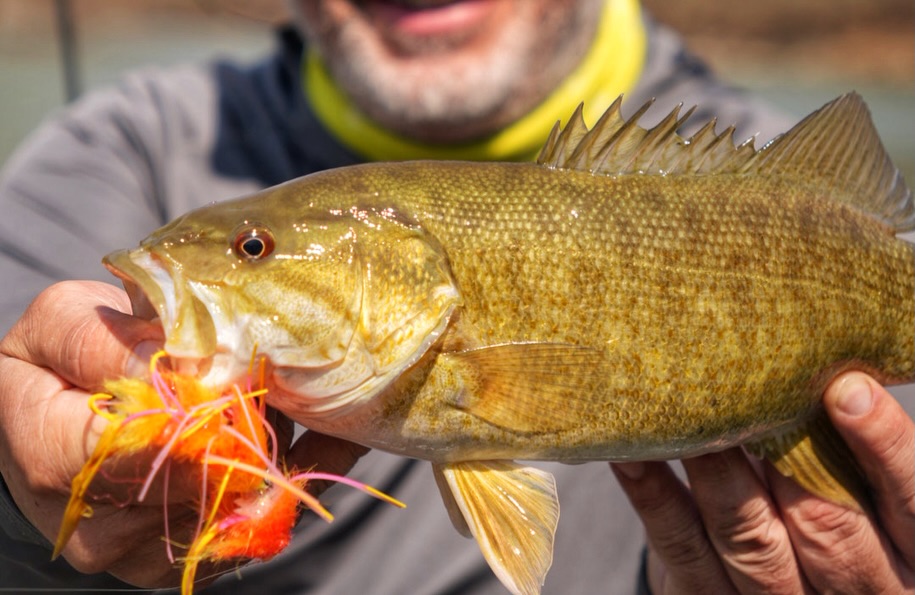
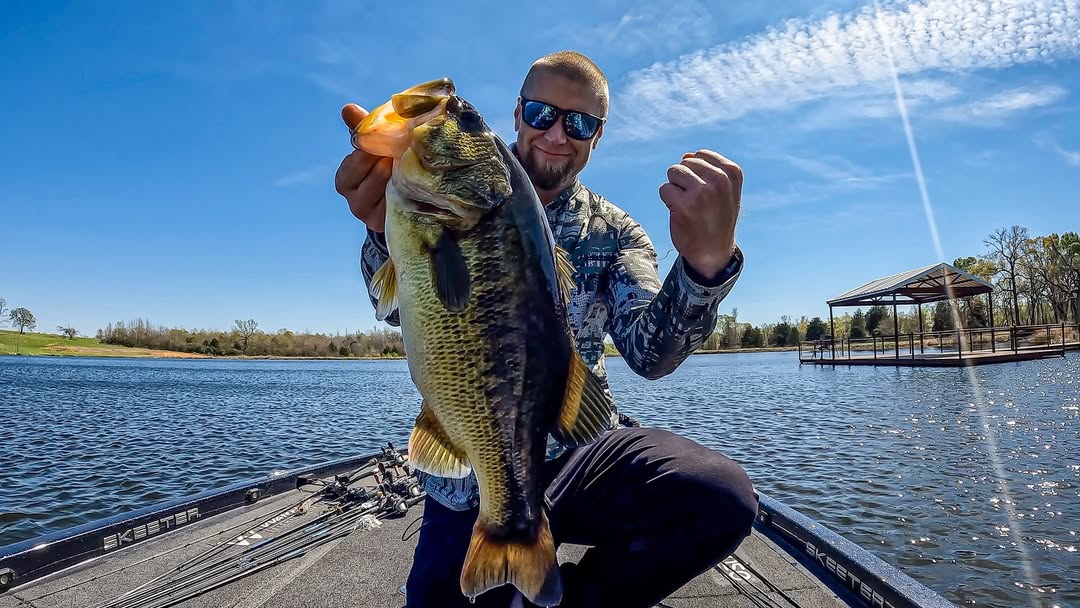
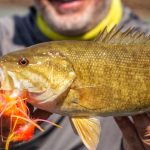
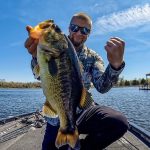
Bass are often the headliners of spring fishing. As water temps reach the mid-50s to low 60s Fahrenheit, bass begin moving shallow to prepare for spawning. They become aggressive, feeding heavily to fuel the energy-intensive process.
- Where to Find Them: Shallow coves with vegetation, creek mouths, submerged logs, and rocky points.
- Tactics: Use soft plastics like worms and creature baits in natural colors. Jigging, flipping, and pitching near cover work well. Early morning and late afternoon are golden hours.
2. Crappie
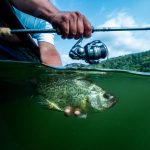
Crappie follow a similar pattern, moving into flooded timber, brush piles, and shallow bays to spawn.
- Where to Find Them: Shallow flooded brush, docks, and backwaters.
- Tactics: Light jigging with small jigs or minnows is effective. Vertical jigging under docks can also produce big catches.
3. Trout
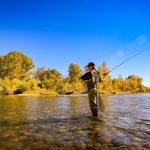
Spring is prime time for trout, especially in coldwater streams and tailwaters where water temperatures stay cooler longer.
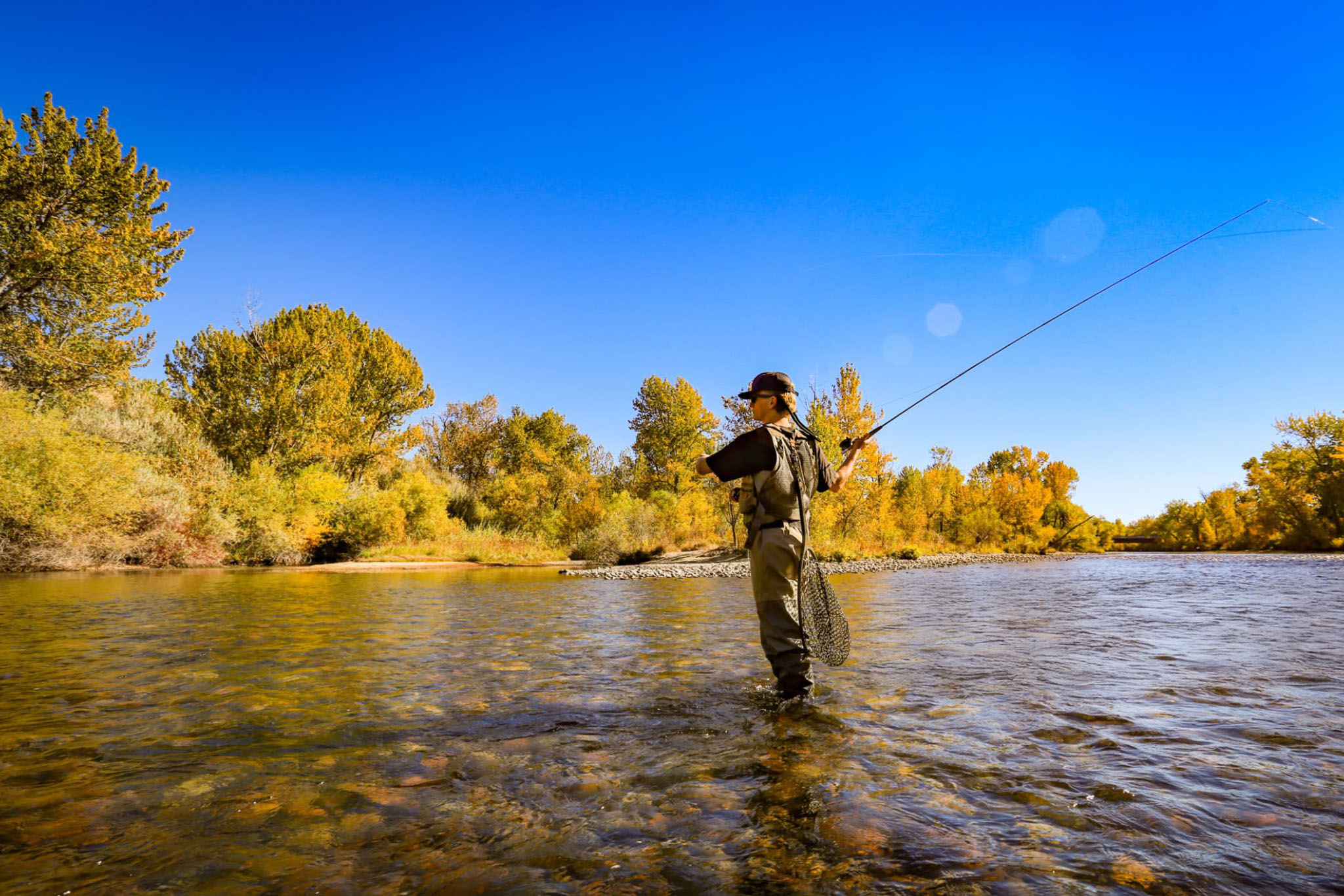
- Where to Find Them: Tailwaters below dams, spring-fed streams, and cool river runs.
- Tactics: Use live bait like worms or salmon eggs, or artificial flies and small spinners. Focus on riffles, pools, and shaded runs.
4. Walleye
Walleye start their pre-spawn migration in early spring, moving toward shallow rocky shorelines.
- Where to Find Them: Gravel points, river mouths, and shallow flats near deeper water.
- Tactics: Jigging with live minnows or leeches near structure, or trolling crankbaits in transition zones.
5. Saltwater Species
In coastal areas, species like redfish, snook, sea trout, and striped bass become more active as water temps rise.
- Where to Find Them: Estuaries, shallow bays, tidal creeks, and flats.
- Tactics: Use shrimp and soft plastics for redfish and trout, live bait for snook, and topwater plugs or jigs for striped bass.
Where to Go: Prime Spring Fishing Spots
- Shallow Bays and Marshes: These warm quickly and hold baitfish, attracting predators.
- Creek Mouths and River Confluences: Where fresh water mixes with lakes or bays, creating hotspots for feeding.
- Flooded Timber and Backwaters: Perfect cover for spawning crappie and bass.
- Rocky Points and Gravel Bars: Key for walleye and bass pre-spawn staging.
- Tailwaters and Coldwater Streams: Trout hotspots that stay cool through spring.
- Estuaries and Flats: Saltwater anglers find early action here.
Use local fishing reports, apps, or guides to pinpoint exact locations near you — spring conditions can vary widely by region.
Proven Spring Fishing Tips
- Watch the Weather: Overcast, rainy days often trigger increased feeding activity. Conversely, bright sunny days may push fish deeper.
- Focus on Water Temps: Fish activity spikes as water temps cross certain thresholds (e.g., 50-60°F for bass).
- Be Stealthy: Spawning fish can be easily spooked. Approach quietly and use light tackle.
- Match the Hatch: Mimic the forage fish and insects active in your area for better success.
- Time Your Trip: Early mornings and late afternoons tend to produce the best bites.
Gear Recommendations for Spring Fishing
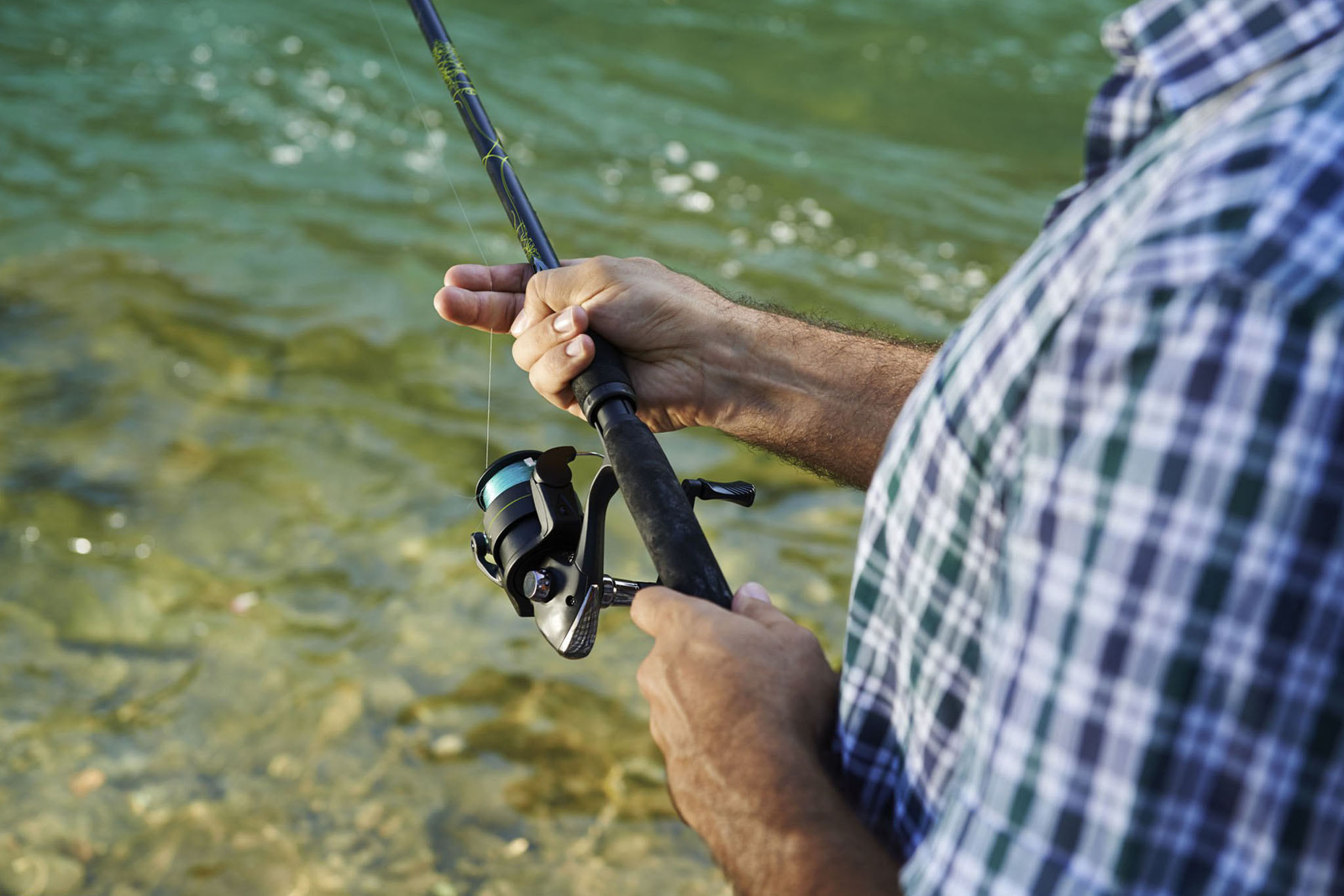
- Medium to light action rods for finesse presentations.
- Quality polarized sunglasses to spot fish and underwater structure.
- Versatile tackle box stocked with soft plastics, jigs, live bait, and topwater lures.
- Waders for stream and river fishing.
- Layered clothing to adapt to changing spring weather.
Final Thoughts
Spring fishing fever is real — the thrill of watching water come alive after winter is unmatched. Whether you’re chasing largemouth bass in a local lake, crappie in flooded timber, trout in cold streams, or redfish in coastal bays, understanding what’s biting and where to go is your key to success.
So, gear up, plan your trip, and get ready to reel in some of the best fish of the year. Spring is your time to shine on the water!