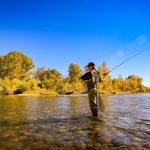
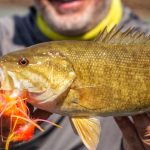
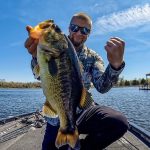
Summer fishing often means dealing with lethargic fish. When water temperatures climb and oxygen levels drop, bass and other species tend to slow down, becoming less aggressive and more selective. For anglers who rely on fast retrieves and flashy lures, this can mean a frustrating day on the water. But those who master finesse techniques during the heat can consistently put fish in the boat—even when bites are tough to come by.
If you want to outsmart slow-moving summer fish, it’s time to slow down your game and get tactical. Here’s how to finesse your way to more bites in the hottest months of the year.
Why Fish Get Lethargic in Summer
- High Water Temperatures: Warm water holds less dissolved oxygen, which stresses fish and slows their metabolism.
- Heavy Vegetation: Summer aquatic plants grow dense, creating cooler microhabitats but also making fish more cautious.
- Tough Conditions: Bright sun, calm water, and steady heat mean fish become less willing to chase fast or noisy lures.
Knowing this sets the stage for switching up your tactics and working finesse techniques that trigger bites without spooking fish.
Finesse Fishing: What Does It Mean?
Finesse fishing is all about subtlety, slow presentations, and using lighter tackle and smaller lures. It’s about mimicking vulnerable prey and giving lethargic fish an easy meal. Here’s what to focus on:
1. Use Smaller, Natural-Looking Baits
- Soft Plastics: Choose smaller worms, tubes, and creature baits in natural colors like green pumpkin, watermelon, or black/blue.
- Drop Shot Rigs: Present a suspended bait just off the bottom, letting it flutter gently in the strike zone.
- Ned Rig: This subtle technique uses a small, weighted soft plastic that hops slowly along the bottom, perfect for inactive bass.
2. Light Line and Light Tackle
- Use 6-8 lb fluorocarbon or braid with a fluorocarbon leader to maintain sensitivity and stealth.
- Light rods (6’6” to 7’) with a fast tip help detect subtle bites and enable delicate hooksets.
3. Slow, Subtle Retrieve
- Fish your lure with gentle twitches, pauses, and slight hops rather than fast or aggressive action.
- Let your bait linger in one spot longer—patience pays off.
- In dense cover, keep your movements small to avoid alarming fish.
4. Target Key Areas
- Deep Cool Water: In midday heat, fish retreat to deeper pockets or shaded drop-offs.
- Vegetation Edges: Fish often hold near grass or lily pad edges where they can ambush prey.
- Structures: Look for submerged logs, rock piles, or docks that provide cover and cooler water.
5. Time Your Finesse Approach
- Early morning and late evening are prime times for slightly more aggressive fish, but finesse still wins when water temps rise midday.
- Overcast or windy days can encourage more activity; slow presentations here can really trigger strikes.
Bonus Tips for Success
- Keep it Quiet: Avoid heavy gear or noisy casts; finesse fishing is about stealth.
- Watch Your Drag: A loose drag helps prevent tearing the hook out on soft bites.
- Stay Patient: Sometimes, letting the bait sit still for several seconds is the difference between a strike and nothing.
Gear Recommendations for Summer Finesse
- Rod: 6’6” to 7’ medium-light to medium action, fast tip for sensitivity.
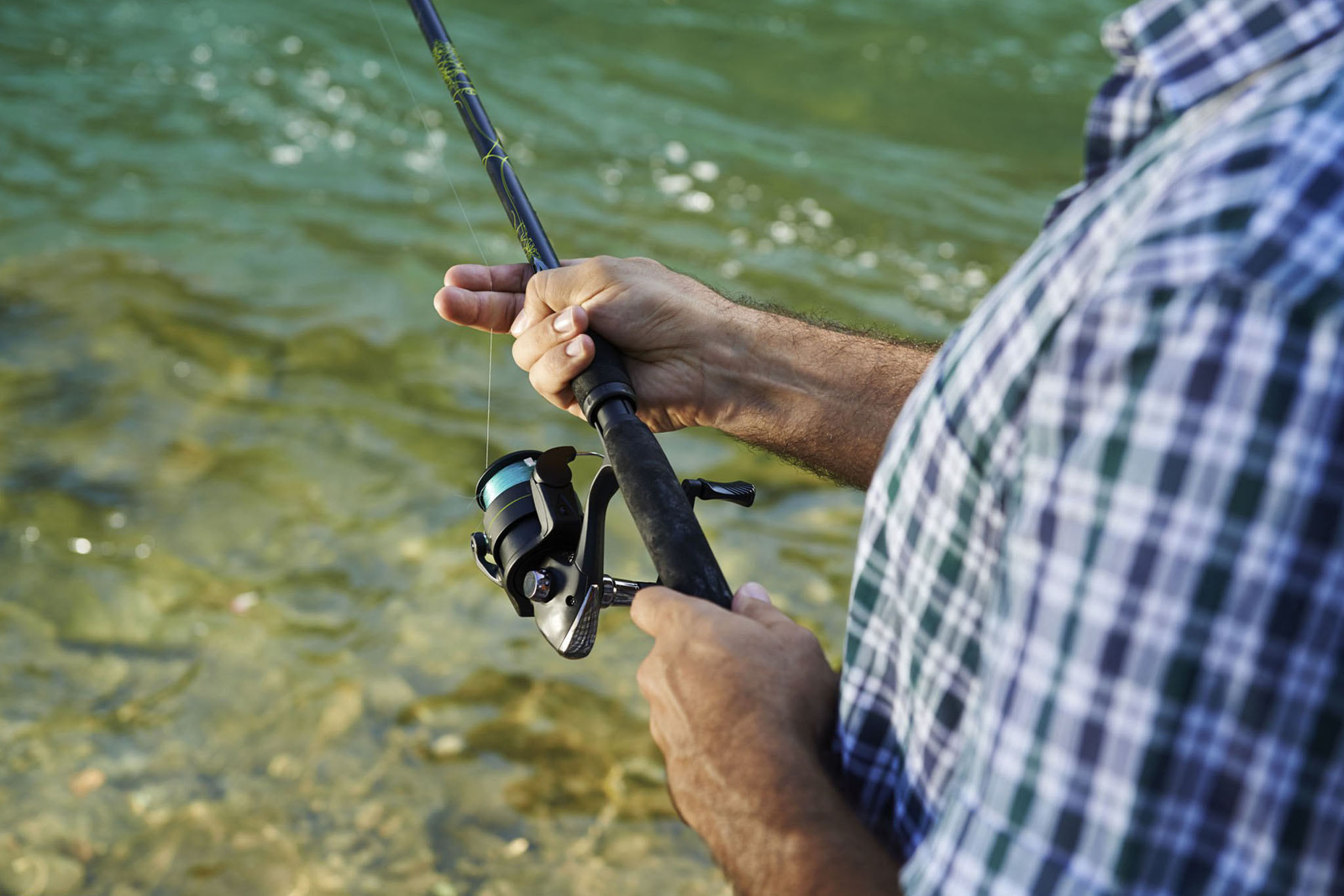
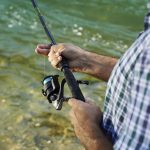
- Reel: Smooth baitcasting or spinning reel with quality drag system.
- Line: 6-8 lb fluorocarbon or braided line with a fluorocarbon leader.
- Tackle: Small soft plastics, drop shot weights, light jigheads, and Ned rig setups.
Final Cast
Finesse fishing in summer isn’t just a backup plan—it’s often the key to unlocking bites when aggressive fishing fails. By slowing your retrieve, downsizing your baits, and focusing on subtle presentations, you’ll coax lethargic fish into biting even in the hottest, toughest conditions. So next time the sun’s blazing and the bite feels tough, remember: slow and steady wins the summer fishing battle.