The alarm clock buzzes at 4:30 AM. You groan, debating whether that extra hour of sleep is worth it. But if you’re serious about filling your livewell this summer, the answer is simple: get up, get out, and fish the golden hour.
When summer temperatures soar, the window for prime fishing shrinks. Fish feed most actively during the cooler, low-light conditions of early morning—and understanding how to maximize this bite can turn short sessions into trophy hauls.
Here’s how to take full advantage of morning strike times before the sun bakes the water and shuts down the action.
🌅 Why Early Mornings Are Prime Time
Fish aren’t all that different from us. When the heat’s intense, they lay low. But during the early morning, the water is cooler and oxygen levels are higher, encouraging predators to hunt actively.
✅ The Science Behind the Morning Bite:
- Cooler water holds more dissolved oxygen, which keeps fish energized.
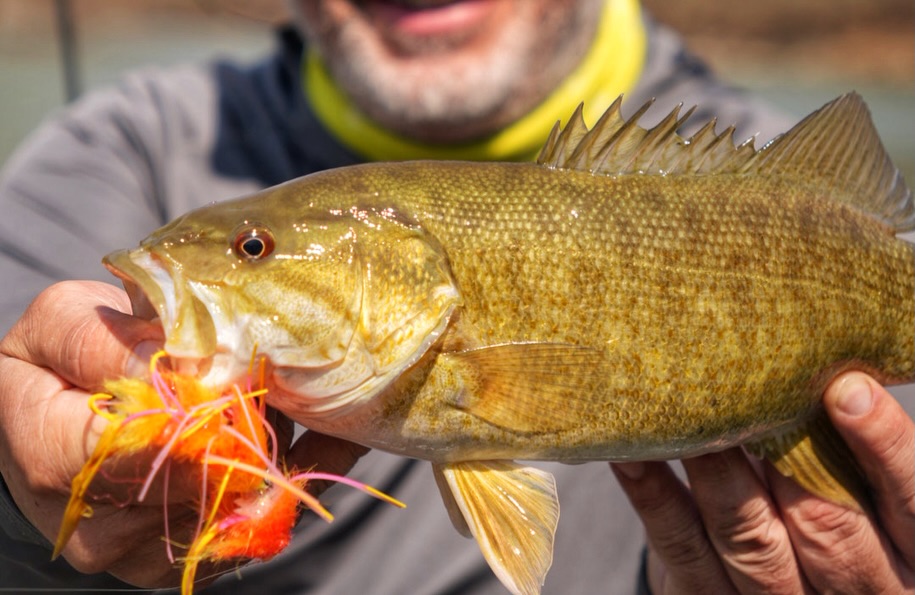
- Baitfish move shallow overnight, attracting bass, trout, redfish, and other predators close to shore.
🎯 Pro Tip: Early morning bites are often short and intense. Be ready to capitalize quickly.
🎣 1. Choose the Right Lures for Low Light
✅ Topwater Temptations
- Early light means fish are looking up. Use buzzbaits, poppers, or walking-style baits like a Zara Spook to create surface commotion.
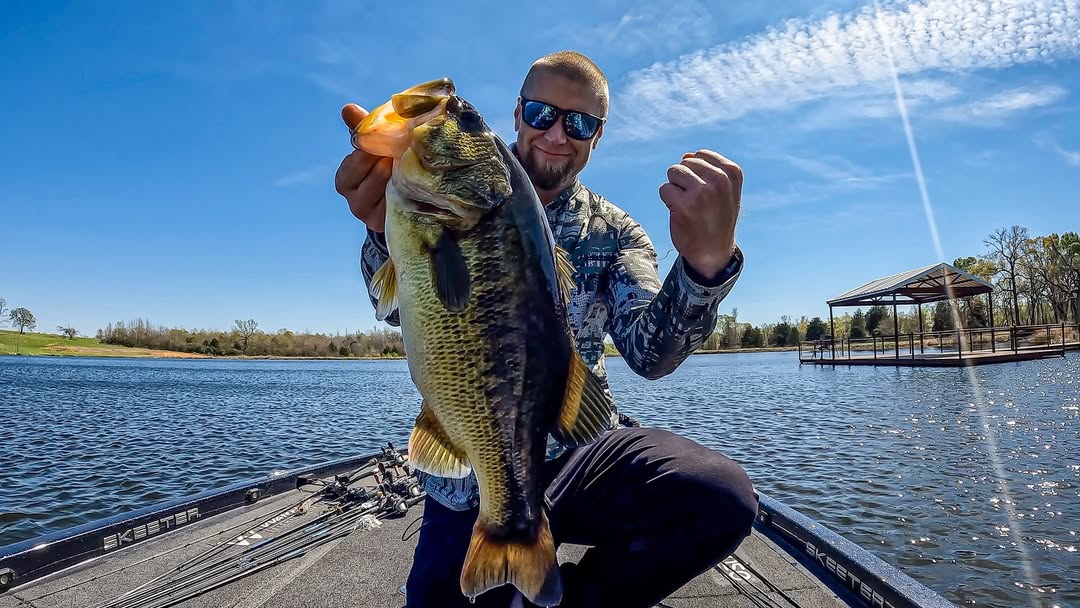
- Frogs over lily pads are deadly for largemouth bass.
✅ Dark Colors Win Early
- Black, dark blue, or purple lures create a strong silhouette in low light.
✅ Switch to Subsurface Mid-Morning
- As the sun rises, transition to crankbaits, spinnerbaits, or soft plastics for subsurface strikes.
🎯 Pro Tip: If a fish blows up on your topwater bait but misses, toss a weightless worm or fluke back to the same spot immediately.
🌊 2. Target the Right Locations
✅ Focus on Shallows at First Light
- Fish cruise shallow flats, weed edges, and shorelines chasing baitfish.
✅ Look for Transition Zones
- Drop-offs near shallow flats or points leading to deeper water are highways for feeding fish.
✅ Pay Attention to Water Movement
- Areas with slight current or wind-blown banks attract bait and increase oxygen levels.
🎯 Pro Tip: If you’re saltwater fishing, plan around tide changes. Incoming tides in the early morning often produce explosive action.
⏰ 3. Timing Is Everything
✅ Arrive Early:
- Be on the water and ready to cast as soon as it’s legal light. The bite often peaks in the first 90 minutes after sunrise.
✅ Work Fast but Stay Focused:
- Cover water quickly with moving baits like spinnerbaits or chatterbaits. Once you find active fish, slow down with soft plastics to milk the area.
🎯 Pro Tip: Monitor moon phases. A new moon or full moon can extend feeding activity later into the morning.
🛠️ 4. Prep Your Gear the Night Before
✅ Rig Multiple Rods:
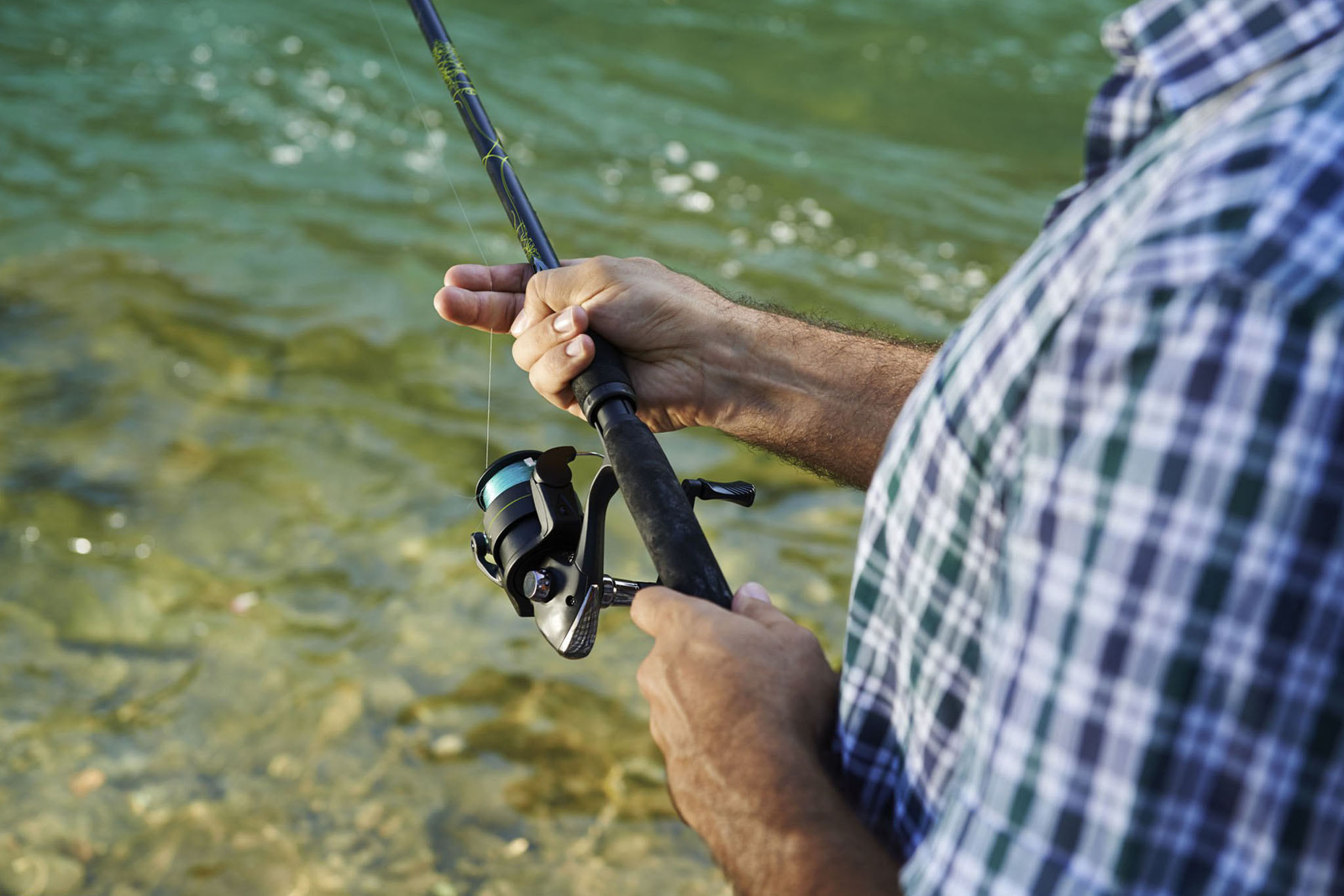
- Have rods ready with different presentations (topwater, mid-depth, finesse) so you can adapt without wasting time retying.
✅ Check Your Tackle:
- Replace frayed lines and sharpen hooks to avoid heartbreaking break-offs.
✅ Pack for Comfort:
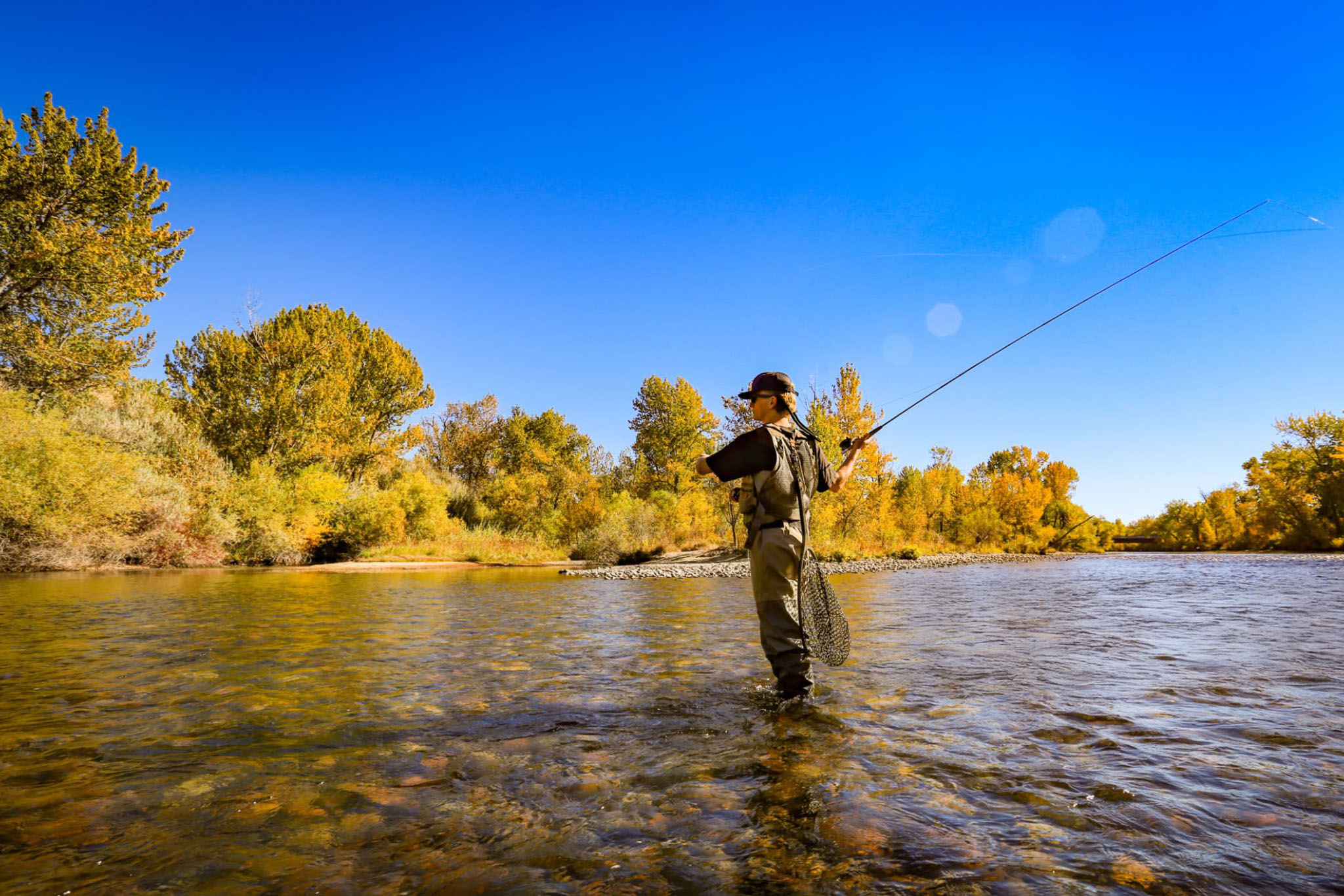
- Lightweight, moisture-wicking clothing and a hat keep you cool when the sun starts climbing.
🎯 Pro Tip: Don’t forget polarized sunglasses to cut glare and spot fish or structure below the surface.
🥤 5. Stay Cool and Extend the Bite
✅ Hydration Matters
- Bring plenty of water and sip regularly—even in the early hours.
✅ Follow the Shade
- As the sun rises, look for shaded banks, overhanging trees, or dock edges where fish linger longer before retreating to deeper water.
✅ Transition With the Fish
- Move deeper and slow down your presentation as the bite tapers off.
🎯 Pro Tip: If your target species shuts down, consider switching to panfish or catfish midday before returning for an evening session.
❌ Mistakes to Avoid
🚫 Arriving Too Late: By the time you launch at 8 AM, you’ve missed the prime bite.
🚫 Overcomplicating Your Setup: Keep it simple—fish are more aggressive and less selective during low light.
🚫 Ignoring Weather Patterns: Overcast mornings can extend feeding periods, while clear skies shorten them. Adjust accordingly.
✅ The Bottom Line: Own the Morning, Own the Day
The early bird doesn’t just get the worm—it gets the bass, trout, and redfish too. By embracing the pre-dawn grind and dialing in your approach, you’ll stack up catches while most anglers are still pouring their first cup of coffee.
So pack your gear the night before, set that alarm, and hit the water early. Because in the summer, the best fishing happens before the heat even wakes up.