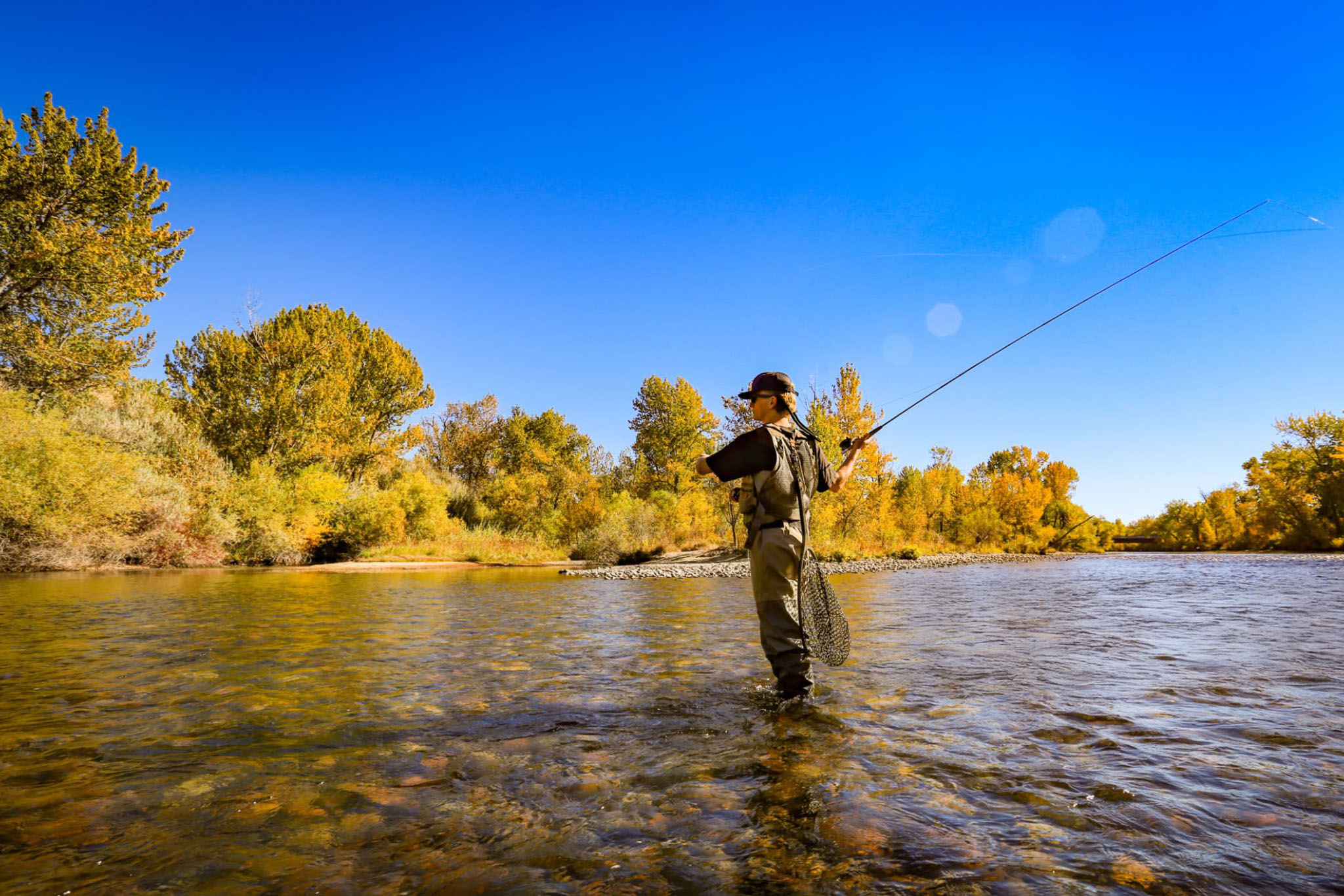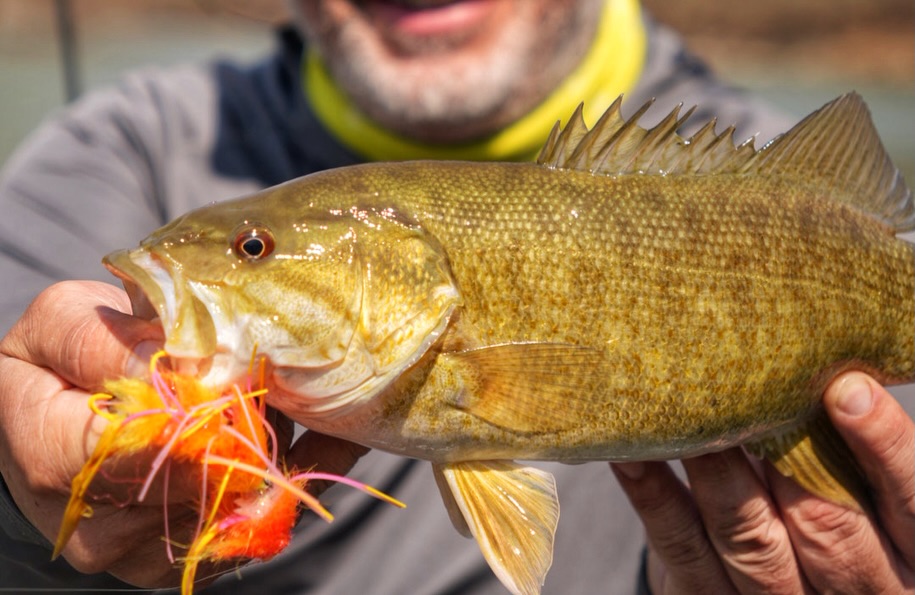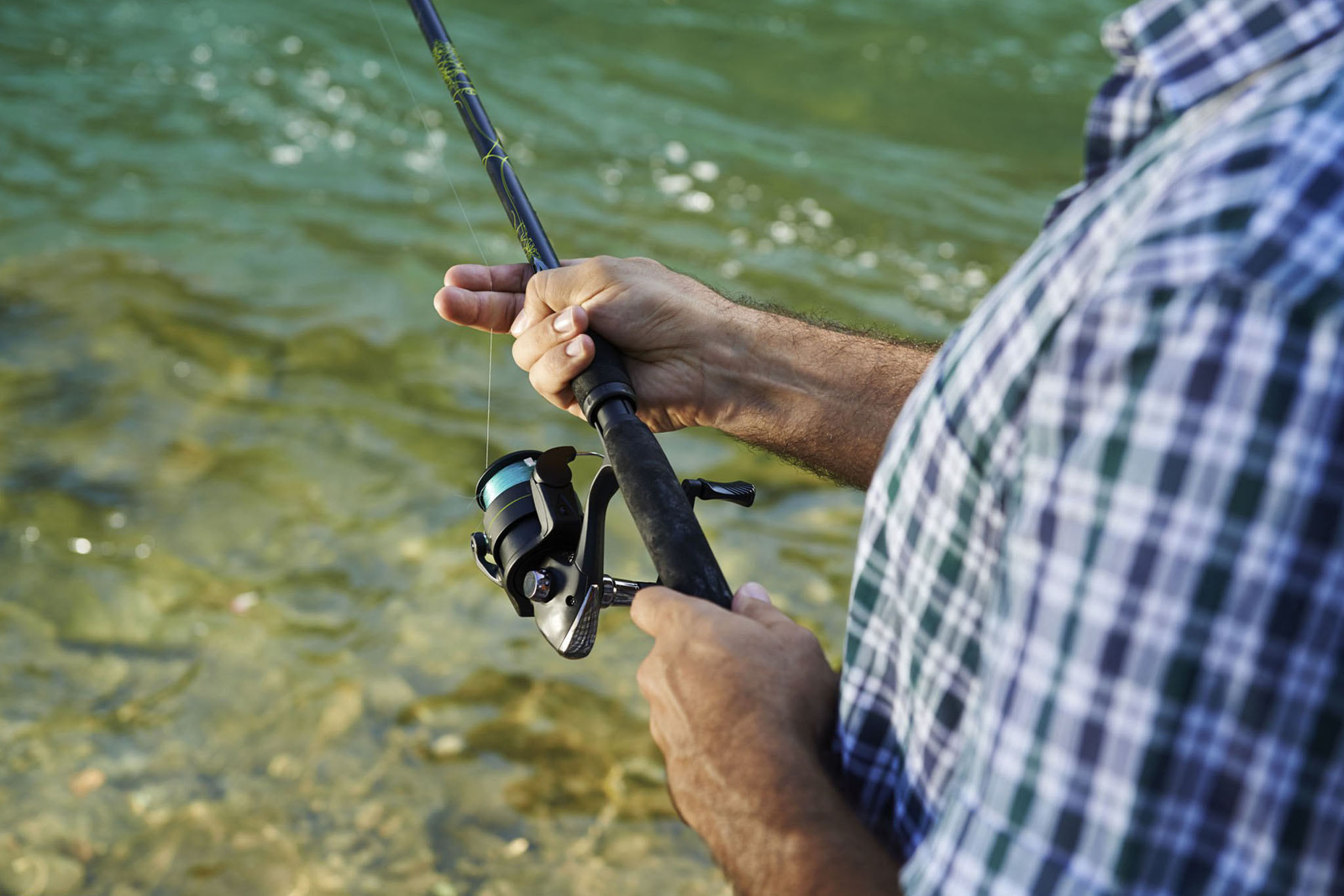

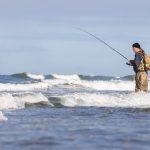

When the weather forecast predicts a breezy day, many anglers might think twice about heading out onto the water. After all, wind can make fishing more challenging. But before you cancel your plans, consider this: wind can actually be a fisherman’s best friend. Far from being a nuisance, breezy days often trigger better bites and increase your chances of landing a big catch. In fact, many seasoned anglers swear by windy conditions as one of the best times to fish.
In this article, we’ll explore why wind can work in your favor, how it affects fish behavior, and the best techniques for fishing in the wind. So, the next time the breeze picks up, don’t skip it—use it to your advantage!
Why Wind Makes Fish More Active
Fish, especially those in shallow waters, are highly sensitive to environmental changes, and wind plays a significant role in triggering feeding patterns. Here’s why a breezy day is often better than a calm one:
1. Wind Moves Surface Water, Creating Ideal Feeding Conditions
Wind has a natural way of churning up the surface of the water. This movement causes the water’s surface temperature to mix with deeper, cooler layers. As a result, the fish are more likely to come to the surface where it’s warmer, creating ideal feeding conditions. The churned water also brings nutrients and prey to the surface, attracting fish to actively hunt.
For many species, including bass, trout, and walleye, the wind encourages a feeding frenzy. They rely on the disturbance in the water to conceal their approach to prey, making the most of the cover that wind-generated ripples provide.
2. Wind Alters the Behavior of Prey Species
Wind doesn’t just impact fish; it also has an effect on their prey. Small baitfish, insects, and other aquatic creatures are often swept toward the shorelines or into areas of the water that are more difficult to escape from. These movements draw predators like bass, crappie, and pike closer to the shore, making them more likely to bite.
Additionally, windy conditions often cause insects and other prey to struggle against the current, making them easier targets for fish that are opportunistic feeders.
3. The Wind Creates Ambush Zones
Fish, particularly predators like bass and pike, prefer to ambush their prey. The wind creates a perfect scenario for ambush feeding. As the wind pushes surface debris and creates ripples, it forms areas of shelter along the shorelines, around rocks, and in submerged vegetation. These are ideal spots for fish to hide while waiting for prey to come near.
For anglers, this means focusing your efforts on these areas. Fish are more likely to congregate in spots where the wind has created sheltered zones, making these prime targets for your bait.
How Wind Affects Specific Fish Species
Different species of fish react to wind in varying ways. Understanding how wind impacts specific types of fish can help you target them more effectively:
Bass
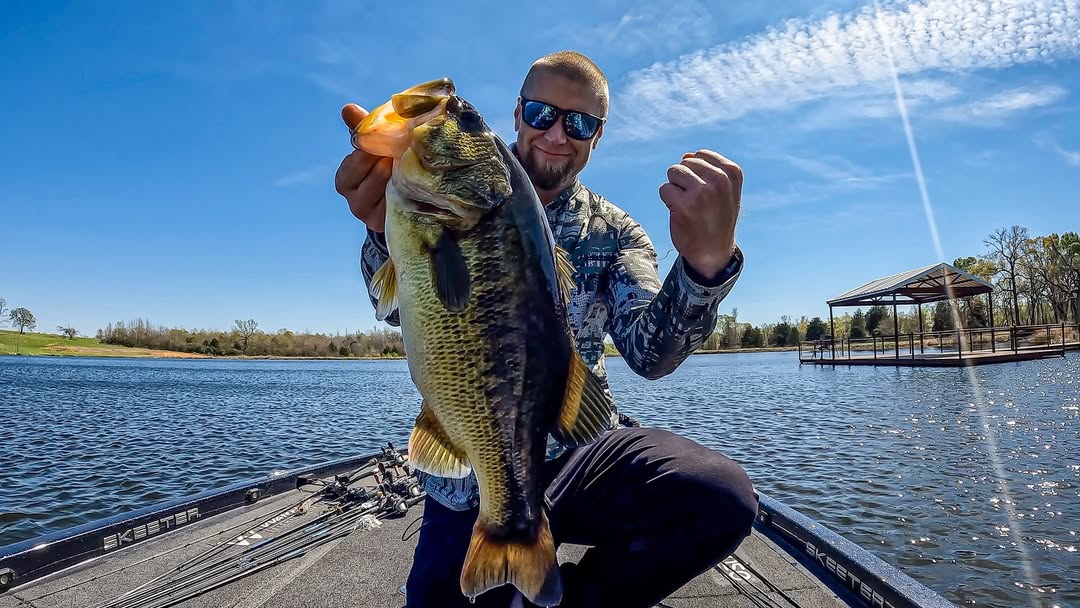
Windy days can be a bass fisherman’s dream. Bass tend to move closer to the shoreline and seek out shelter in areas like coves, under fallen trees, or near submerged rocks. The increased water movement also encourages bass to actively hunt in the shallows. They’ll often hang near the surface, waiting for smaller fish or insects to be blown into their striking range.
- Best Techniques: Use spinnerbaits, crankbaits, or lipless cranks to mimic the movement of baitfish struggling in the wind. These baits are great for covering large areas of water and enticing bass with their flashy, erratic motions.
Walleye
Walleye are known for being more elusive and cautious, but windy conditions make them less wary and more aggressive. The choppy waters can obscure their approach, making it easier for them to strike at prey without being noticed. The wind also encourages walleye to feed more actively, especially near the bottom where they tend to hang out.
- Best Techniques: Use jigging rigs with minnows or soft plastics. The increased water movement makes it easier for walleye to track the scent trail, and the slower presentation allows them to take their time before striking.
Trout
Wind often helps trout become more active as it disturbs the water surface, making it harder for prey to detect predators. Trout are opportunistic feeders and will take advantage of any movement that brings food within range.
- Best Techniques: Use light spoons or small spinners to mimic the smaller baitfish that are getting blown around by the wind. If fishing in a river or stream, try drifting worms or small minnows along the current, as the wind can push them toward deeper pockets where trout are hiding.
Panfish
Panfish like bluegill, crappie, and perch are more likely to bite when the wind kicks up. They are attracted to the movement of small prey that is driven toward the shallow, warmer waters. The choppy water also gives them the cover they need to approach the bait undetected.
- Best Techniques: Try using small jigs or live bait like worms, minnows, or crickets. The wind’s disturbance will mask your presentation, making it more likely for panfish to strike.
Fishing Techniques for Windy Days
While wind can certainly help you catch more fish, it also presents some unique challenges. To maximize your success, use these techniques to adapt to windy conditions:
1. Focus on Windward Shores
The wind pushes water, debris, and food toward the windward shorelines, creating prime feeding areas. Cast along the windward banks of lakes, reservoirs, or ponds, especially where you can find submerged structures like fallen trees, rocks, or weed beds.
2. Use Heavier Tackle
On windy days, your bait and line are more likely to be affected by the current. To avoid your line drifting too far, use heavier tackle to maintain better control. This will help keep your bait in the strike zone longer and allow you to cover more ground.
3. Make Longer Casts
The wind will often push your bait around, so it’s important to cast a little farther than usual to keep your bait in the sweet spot for longer. Use lures or baits that can be easily cast into the wind without losing control or getting tangled.
4. Adjust Your Retrieval Speed
In windy conditions, fish are more likely to strike if they see an erratic, quick-moving prey. Speed up your retrieval rate to mimic panicked baitfish. This works particularly well for predators like bass and pike.
5. Fish in the Early Morning or Late Evening
Wind can be particularly challenging during the middle of the day when the sun is directly overhead. Try fishing in the early morning or late evening when the fish are more active, and the wind is often less intense, giving you better control over your presentation.
Conclusion: Embrace the Wind
The next time you’re faced with breezy conditions, don’t shy away from the wind—embrace it! Windy days can create optimal conditions for fish to feed actively, giving you a significant edge over calmer, less productive days. By understanding how the wind affects fish behavior and adjusting your techniques accordingly, you’ll improve your chances of landing that big catch.
So, grab your gear, hit the water, and let the wind work in your favor. You’ll be surprised by the big bites that await!