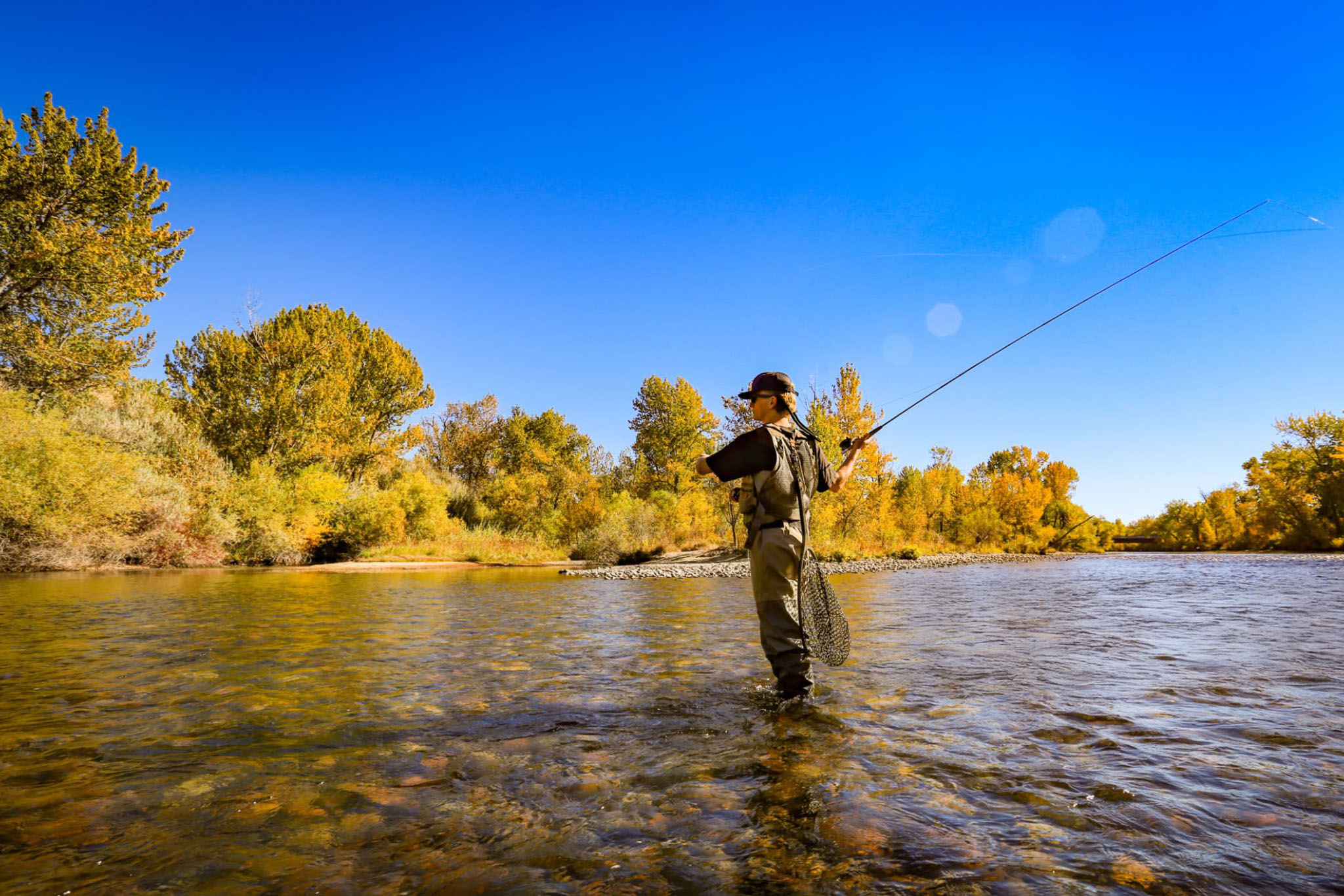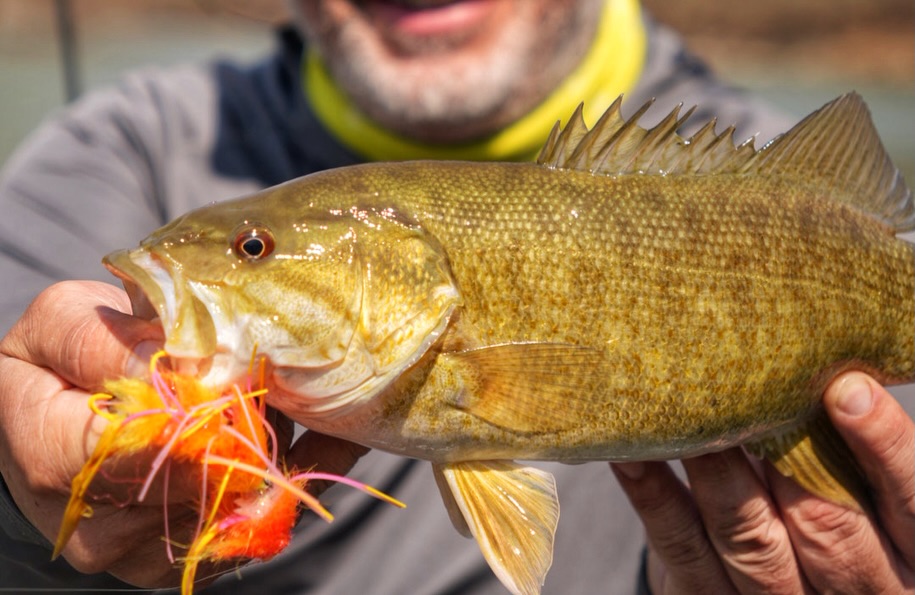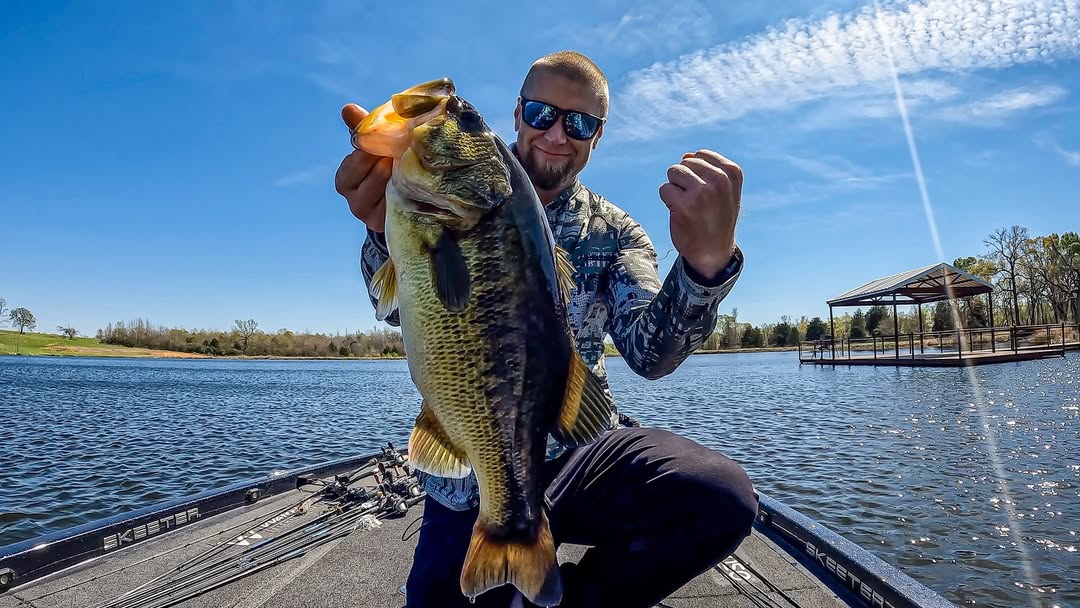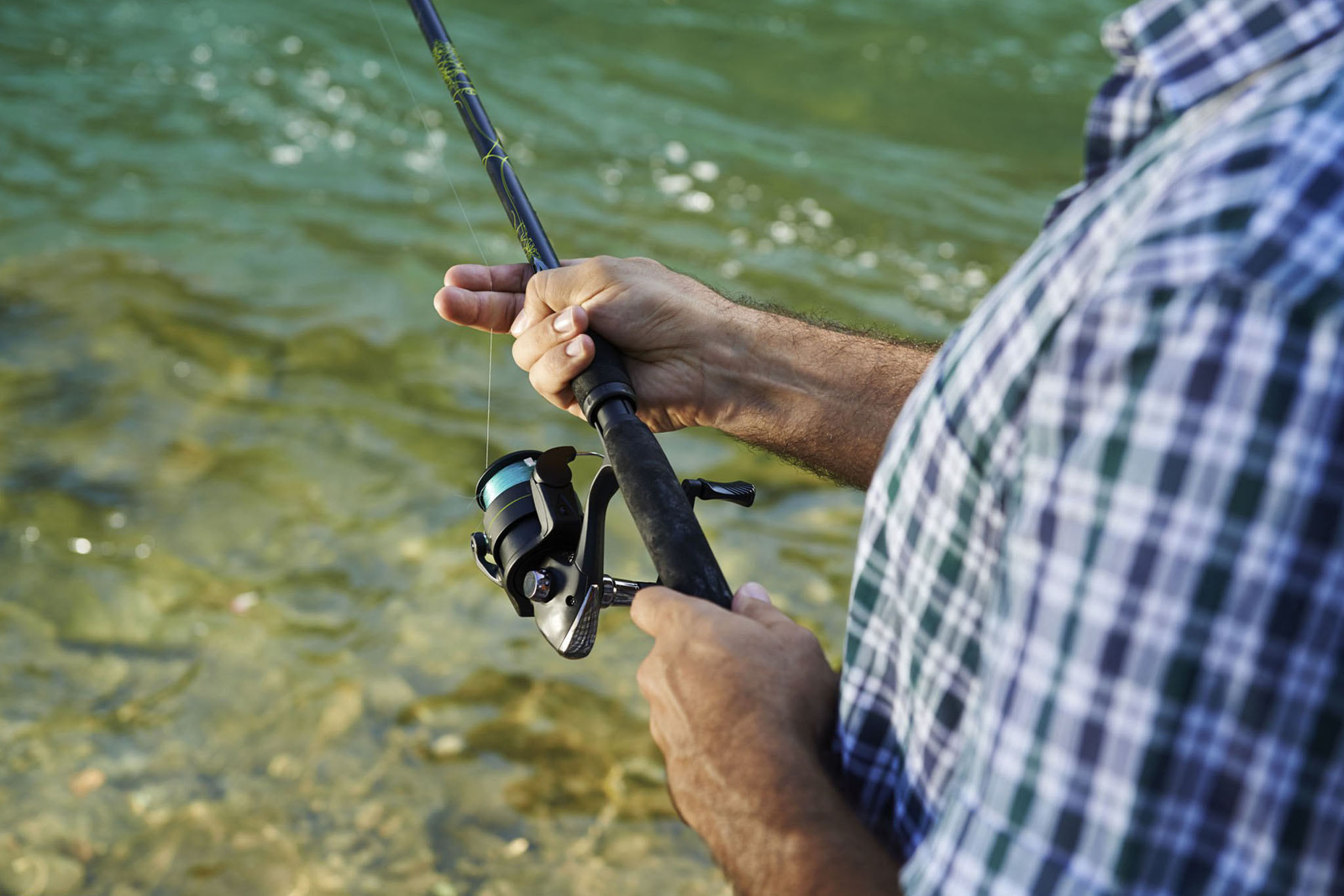
As winter loosens its grip and water temperatures begin to rise, fish start transitioning from their sluggish cold-water patterns to more active feeding behaviors. Spring fishing can be incredibly rewarding, but knowing where to find fish in warming waters is key to a successful outing. This guide will break down the science behind fish movement, the best locations to target, and the strategies to maximize your catch.
Understanding Fish Behavior in Warming Waters
Fish are cold-blooded creatures, meaning their body temperature—and consequently their activity levels—are directly influenced by the surrounding water. In early spring, when temperatures range from the high 40s to low 50s (°F), fish remain relatively sluggish. However, as the water gradually warms into the 50s and 60s, fish metabolism increases, making them more aggressive and willing to strike.
Here’s what happens as water warms:
- Cold-Water Period (Below 50°F): Fish remain deep, feeding sporadically on slow-moving prey.
- Transition Zone (50–55°F): Fish move to shallower, sun-warmed areas and become more active.
- Pre-Spawn Activity (55–65°F): Fish aggressively feed in preparation for spawning.
Key Locations to Target in Early Spring
As fish adjust to warming conditions, they migrate from deeper wintering holes to shallower, structure-rich environments. Here are the prime locations to check:
1. Shallow Flats Near Deep Water
- During sunny days, shallow flats heat up faster than the rest of the lake, drawing baitfish and, in turn, predators like bass and walleye.
- Look for areas adjacent to deeper water, as fish will retreat to these zones when temperatures drop.
2. Rocky Shorelines and Riprap
- Rocks absorb and retain heat from the sun, creating micro-warm zones that attract fish like smallmouth bass and crappie.
- These areas also host abundant crawfish, a favorite food source for many species.
3. Creek Mouths and Inflow Areas
- Streams and creeks carry warmer, oxygen-rich water into lakes and reservoirs, making them magnets for fish movement.
- Active fish will often stage at creek mouths, waiting for food to be carried downstream.
4. South-Facing Banks
- South-facing shorelines receive more direct sunlight throughout the day, warming up faster than other parts of the water body.
- These areas are especially productive in the afternoons when temperatures peak.
5. Weedy Bays and Backwaters
- Emerging vegetation provides both cover and an abundance of forage, attracting largemouth bass, pike, and panfish.
- Look for submerged weed growth and work your lures along the edges.
Best Lures and Techniques for Spring Fishing
Once you’ve located active fish, using the right lures and techniques is crucial for success. Here are the top approaches:
1. Jerkbaits for Suspended Fish
- Why: Imitates injured baitfish, which are easy prey for sluggish spring fish.
- Best Conditions: Clear water, near drop-offs and transition zones.
- Retrieve Tip: Use a twitch-pause method, keeping pauses longer in colder conditions.
2. Lipless Crankbaits for Covering Water
- Why: Allows you to quickly locate feeding fish by covering large areas.
- Best Conditions: Warmer afternoons in shallow, sunlit flats.
- Retrieve Tip: Use a stop-and-go retrieve to mimic fleeing baitfish.
3. Jigs for Targeting Bottom Feeders
- Why: Effective for cold-water fish that are still hugging the bottom.
- Best Conditions: Rocky shorelines, creek channels, and submerged structure.
- Retrieve Tip: Slow, hopping motions to mimic crawfish movement.
4. Spinnerbaits for Murky Water
- Why: Vibrations help fish locate the lure when visibility is low.
- Best Conditions: Cloudy or windy days in stained water.
- Retrieve Tip: Use a steady retrieve, varying speeds to trigger strikes.
5. Soft Plastic Worms for Finesse Fishing
- Why: Works well when fish are hesitant to chase faster-moving lures.
- Best Conditions: Near submerged timber, weed beds, and docks.
- Retrieve Tip: Let the bait sit longer between movements to tempt lethargic fish.
Time of Day Matters: When to Fish in Early Spring
Unlike summer fishing, where mornings and evenings are peak feeding times, early spring fishing is more productive during the afternoon. This is when water temperatures are at their highest, making fish more active.
Best Times to Fish:
- Mid-Morning (9 AM – 11 AM): Fish start moving into shallower areas.
- Afternoon (12 PM – 4 PM): Peak activity, as water reaches its warmest point.
- Evening (4 PM – Sunset): Fish may become less aggressive as temperatures drop.
Bonus Tip: Pay Attention to Weather Patterns
Spring weather can be unpredictable, and fish respond to these changes:
- Sunny Days: Warm the water quickly, drawing fish into shallows.
- Cloudy Days: Fish roam more freely, making them easier to target.
- Rainy Days: Increased oxygen levels can trigger feeding frenzies.
- Cold Fronts: Slow down fish activity, requiring finesse techniques.
Final Thoughts
Spring fishing offers some of the most exciting action of the year, but success depends on understanding fish behavior, targeting the right locations, and using effective techniques. By focusing on warming waters, strategic lure choices, and key feeding times, you can increase your chances of hooking into more fish this season.
So grab your gear, hit the water, and put these spring fishing secrets to the test! Tight lines!