Spring fly fishing can be one of the most rewarding times of the year, but success on the water often comes down to one crucial factor—matching the hatch. As water temperatures rise, aquatic insects emerge in large numbers, and trout become laser-focused on feeding patterns. Whether you’re fishing a freestone river, a tailwater, or a high-country stream, understanding and replicating the natural insect lifecycle is the key to fooling wary fish.
In this guide, we’ll break down how to identify hatches, choose the right fly patterns, and adjust your techniques for the best results this spring.
Understanding the Spring Hatch Cycle
Trout rely heavily on insects for food, and spring brings an explosion of bug activity. However, not all hatches are the same. The specific insects you encounter will depend on your location, water temperature, and time of day.
Here are the most common spring hatches across North America:
1. Midges (Year-Round, Peak in Early Spring)
- Where: Tailwaters, slow-moving pools, and spring creeks
- Best Patterns: Zebra Midge, Griffith’s Gnat, RS2
- When to Fish: Early mornings and late evenings
- Tactic: Use a tandem nymph rig with a weighted dropper to get down to feeding fish.
2. Blue-Winged Olives (BWOs) (March – May)
- Where: Cold, clear streams and tailwaters
- Best Patterns: BWO Sparkle Dun, Parachute BWO, Comparadun
- When to Fish: Cloudy days between late morning and early afternoon
- Tactic: Present dry flies with a drag-free drift in slower water where trout are rising.
3. March Browns (April – May)
- Where: Freestone rivers with rocky bottoms
- Best Patterns: March Brown Emerger, Hare’s Ear, Soft Hackle Wet Fly
- When to Fish: Warm afternoons, especially after a rain
- Tactic: Fish emergers just below the surface with a swing-and-lift presentation.
4. Caddisflies (April – June)
- Where: Almost every river, particularly freestones
- Best Patterns: Elk Hair Caddis, X-Caddis, LaFontaine Sparkle Pupa
- When to Fish: Late afternoons and evenings
- Tactic: Use dry flies with a skittering motion or fish emergers just below the surface.
5. Stoneflies (April – June, depending on species)
- Where: Fast-moving, oxygen-rich rivers
- Best Patterns: Pat’s Rubber Legs, Stimulator, Golden Stone Nymph
- When to Fish: Midday when water is warming
- Tactic: Dead-drift stonefly nymphs deep or use large attractor dry flies near the banks.
How to Match the Hatch for Success
Step 1: Observe the Water
Before tying on a fly, take a few minutes to study the river. Look for:
- Rising fish—Are they sipping tiny insects or aggressively attacking larger bugs?
- Floating insects—Do you see mayflies drifting or caddis skittering?
- Underside of rocks—Turn over a few rocks to see what nymphs are present.
Step 2: Choose the Right Fly Pattern
Once you’ve identified what the fish are eating, select a pattern that matches in:
- Size—A mismatch in size is a common reason for refusals.
- Color—Stick close to natural hues (olive, tan, brown, gray).
- Stage—If trout are feeding just below the surface, use emergers instead of dries.
Step 3: Adjust Your Presentation
Matching the hatch isn’t just about picking the right fly—it’s about presenting it naturally.
- For dry flies—Use a dead drift with a natural float.
- For emergers—Try a downstream swing or let the fly rise in the water column.
- For nymphs—Use a long leader with an indicator, ensuring the fly is at the right depth.
Best Spring Fly Fishing Techniques
1. Nymphing: The Most Productive Spring Method
Since most trout feed below the surface, nymphing is your best bet in early spring. Use:
- A tandem nymph rig with a heavier lead fly (stonefly, caddis pupa) and a lighter trailing fly (BWO nymph, midge larva).
- A strike indicator to detect subtle takes.
- Split shot to get your flies down in faster water.
2. Swinging Wet Flies for Emerging Insects
As insects hatch, trout often feed on emergers just below the surface. Use:
- A soft hackle wet fly, lightly twitched as it swings.
- A down-and-across cast, allowing the fly to rise in the current.
- A slow strip retrieve for caddis emergers.
3. Dry Fly Fishing: Timing is Everything
Spring dry fly action can be inconsistent, but on the right day, it’s unbeatable.
- Focus on overcast afternoons when BWOs are hatching.
- Use a long leader (9-12 ft) and light tippet (5X-6X) for a delicate presentation.
- Make sure your fly lands naturally—no drag!
Gear Recommendations for Spring Fly Fishing
1. Rod and Reel Setup
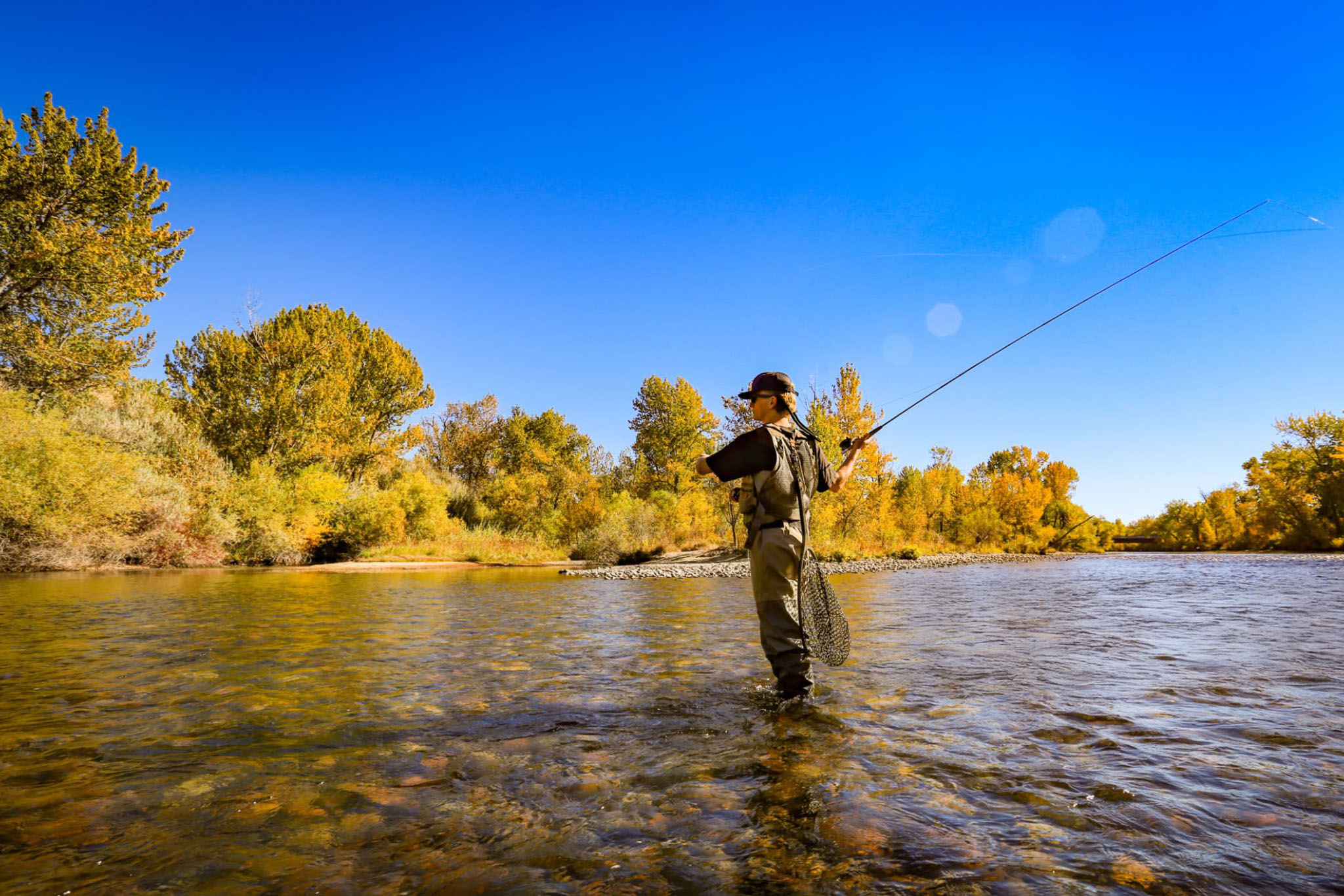
- 4-5wt rods are ideal for small to medium rivers.
- 6wt rods are great for windy conditions or larger waters.
- Use a reel with a smooth drag system, especially for fighting early-season browns.
2. Waders and Clothing
- Spring conditions can be cold and wet—invest in breathable waders and a waterproof jacket.
- Wear layers, as temperatures can fluctuate throughout the day.
3. Essential Fly Box for Spring
- Nymphs: Hare’s Ear, Pheasant Tail, Zebra Midge, RS2
- Emergers: CDC Emerger, Soft Hackle BWO, LaFontaine Sparkle Pupa
- Dry Flies: Elk Hair Caddis, Parachute Adams, BWO Comparadun
- Streamers: Woolly Bugger, Sculpin Pattern, Mini Leech
Final Thoughts
Spring fly fishing is all about timing, observation, and adaptation. By learning to match the hatch, choosing the right flies, and refining your presentation, you’ll dramatically increase your success. Whether you’re casting to rising trout during a BWO hatch or nymphing deep pools for sluggish browns, spring presents some of the best opportunities for fly anglers.
So grab your gear, study the water, and get ready for some unforgettable days on the river this season. Tight lines!