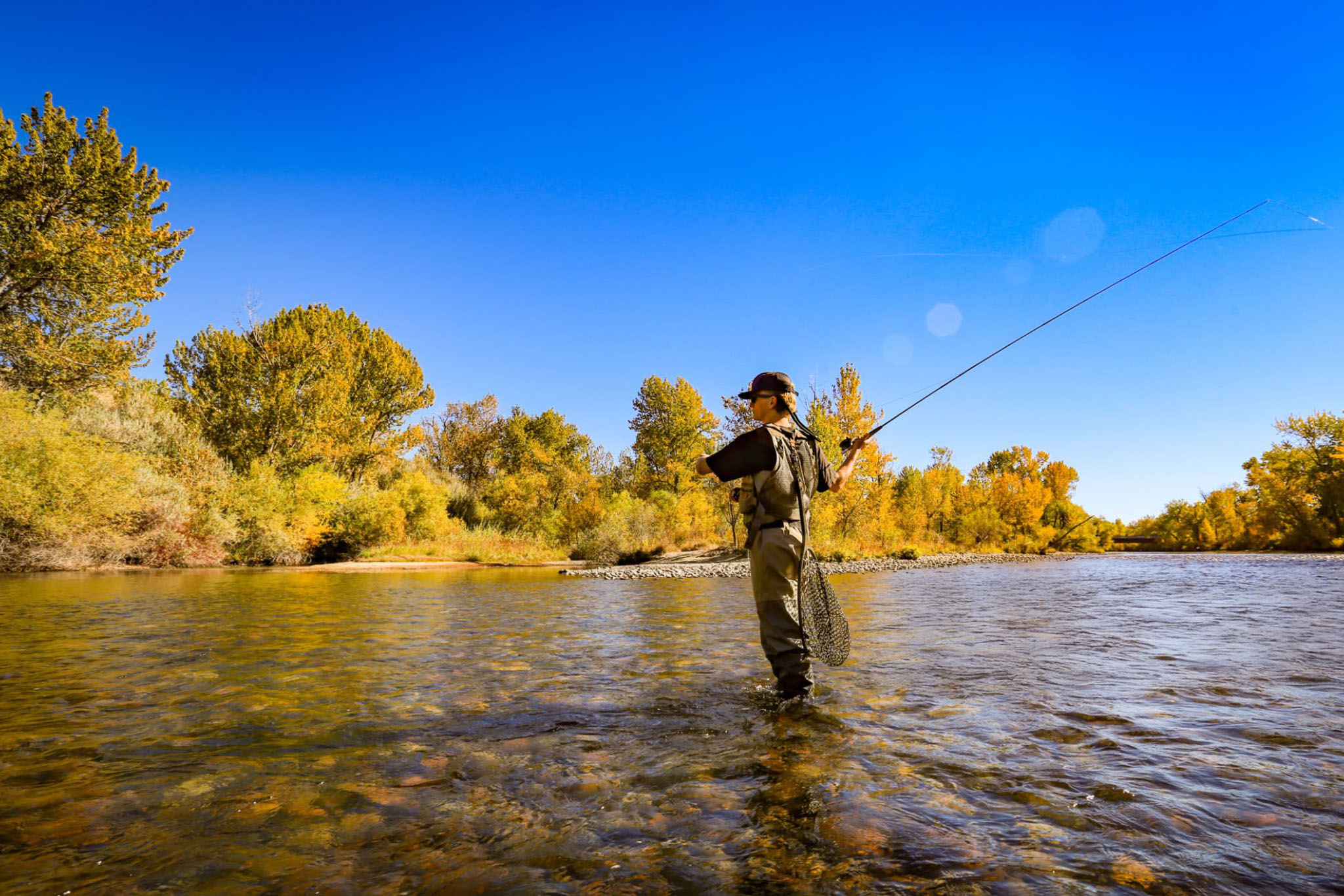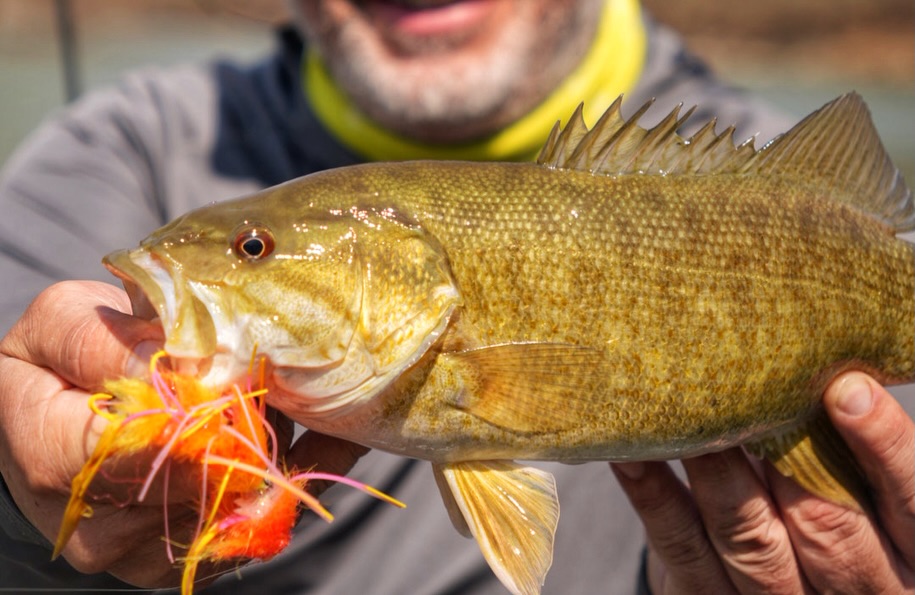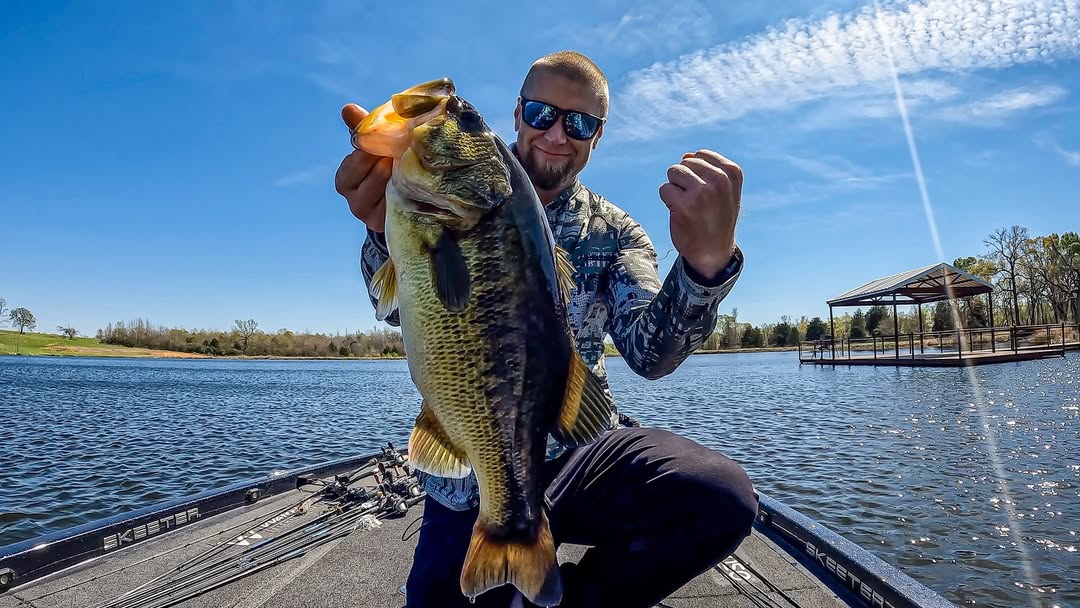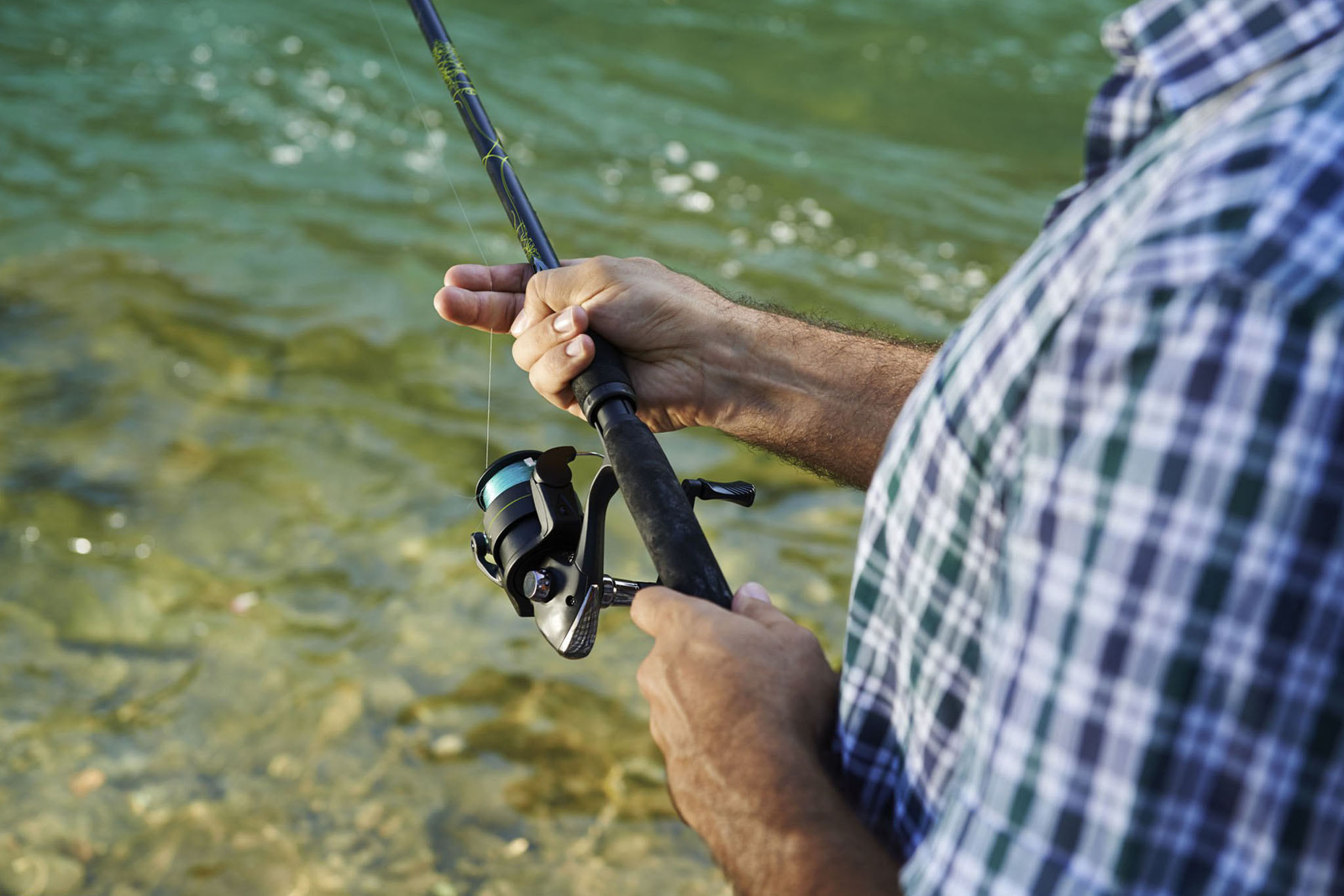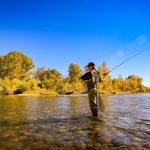
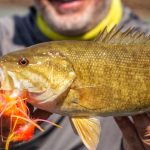
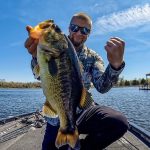
Spring is one of the best seasons for bank fishing. As the water warms, fish become more active, moving into shallower areas where they are easily accessible from the shore. However, fishing from the bank requires different strategies than fishing from a boat. Understanding where to fish, what gear to use, and how to adjust to seasonal changes can greatly improve your success. In this guide, we’ll cover everything you need to know to maximize your bank fishing opportunities this spring.
1. Understanding Spring Fish Behavior
As winter fades, fish move from deep wintering holes to shallower waters in search of food and ideal spawning locations. This transition makes them more accessible to bank anglers, but it also means you need to know where and when to target them.
Key Factors Affecting Spring Bank Fishing:
✅ Water Temperature: Fish activity increases as temperatures rise, making sunny days ideal for fishing shallow waters. ✅ Spawning Movements: Many species, including bass, crappie, and panfish, move to shallow areas in early spring to spawn. ✅ Food Availability: Baitfish and insects become more abundant, drawing predators closer to shore. ✅ Weather Conditions: Overcast days with mild temperatures can be excellent for consistent fishing, while sudden cold fronts may slow down feeding activity.
2. Best Bank Fishing Spots in Spring
Not all shorelines are created equal. Finding the right location is crucial for success.
Top Areas to Target:
- Shallow Flats Near Deep Water: Many fish move from deep areas to shallower flats as temperatures rise.
- Creek Inflows and Outflows: Freshwater flow attracts baitfish and oxygenates the water, drawing in predators.
- Rocky or Gravel Banks: Bass and other species use these areas for spawning, making them prime fishing spots.
- Points and Drop-offs: These provide a transition zone where fish move between deep and shallow water.
- Docks, Bridges, and Overhanging Trees: These offer shade and structure where fish seek cover from predators and ambush prey.
💡 Pro Tip: Look for areas with submerged logs, weed beds, or rocky structures, as these serve as natural ambush points for predatory fish.
3. Best Lures and Baits for Spring Bank Fishing
Using the right bait or lure can significantly increase your chances of landing more fish.
Best Artificial Lures:
🎣 Jerkbaits: Excellent for mimicking injured baitfish and triggering reaction strikes. 🎣 Soft Plastic Worms: Wacky rigs and Texas rigs work great around cover. 🎣 Spinnerbaits: Perfect for covering water quickly and attracting aggressive fish. 🎣 Crankbaits: Shallow-diving crankbaits are great for rocky shorelines. 🎣 Topwater Lures: On warm spring days, poppers and frogs can produce explosive strikes.
Best Live Baits:
🐟 Minnows & Shad: Great for bass, crappie, and walleye when fished under a bobber. 🪱 Nightcrawlers & Worms: Effective for catching a wide variety of species, from bluegill to catfish. 🦐 Shrimp & Cut Bait: A top choice for catfish and other bottom feeders.
💡 Pro Tip: If the water is murky, use lures with bright colors or rattles to help fish locate them more easily.
4. Essential Gear for Bank Fishing
While you don’t need a boat, having the right gear can make your fishing trips more successful and enjoyable.
Rod and Reel Setup:
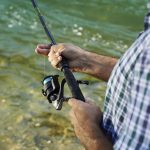
- Spinning Rod (6’6″–7′ Medium Action): A great all-purpose rod for targeting bass, crappie, and panfish.
- Baitcasting Rod (7′ Medium-Heavy Action): Ideal for casting heavier lures and fighting larger fish.
- Ultralight Rod (5’–6′ Light Action): Perfect for catching panfish and trout.
Other Essentials:
✔ Tackle Bag or Backpack: Keep your gear organized and easy to carry. ✔ Polarized Sunglasses: Helps reduce glare and spot fish in the water. ✔ Landing Net: Essential for handling fish safely from the bank. ✔ Long-Nose Pliers: Useful for removing hooks and handling fish safely. ✔ Comfortable Footwear: Waterproof boots or waders are great for accessing harder-to-reach spots.
💡 Pro Tip: Pack light but include a variety of lures and tackle so you can adapt to changing conditions.
5. Techniques for Catching More Fish from the Bank
Catching fish from the shore requires strategic casting and retrieval techniques.
Best Techniques:
🎯 Fan Casting: Cover different areas of water by casting in a wide arc instead of repeatedly casting to the same spot. 🎯 Targeting Structure: Fish tend to hide near cover like logs, rocks, and weed beds—aim your casts near these areas. 🎯 Slow and Steady Retrieve: Fish can still be sluggish in early spring, so a slow, natural retrieve often works best. 🎯 Drifting Bait: If fishing with live bait, let it drift naturally with the current.
💡 Pro Tip: If one spot isn’t producing, move along the bank every 15–20 minutes to find active fish.
6. Best Times of Day to Fish in Spring
Time of day plays a crucial role in fish activity levels.
☀ Morning (6 AM – 10 AM): Fish are most active as the water warms and baitfish start moving. ☁ Afternoon (10 AM – 4 PM): Midday sun can push fish into deeper or shaded areas. 🌙 Evening (4 PM – Dusk): Some of the best action happens as fish feed before nightfall.
💡 Pro Tip: Overcast or rainy days can extend peak fishing times since fish stay active longer.
Final Thoughts
Spring is one of the most rewarding times for bank fishing. By understanding fish behavior, choosing the right locations, using the best baits and lures, and adapting your techniques, you can consistently catch more fish without needing a boat. Whether you’re after bass, crappie, catfish, or panfish, applying these tips will set you up for a successful and enjoyable fishing season.
So grab your gear, head to the shoreline, and start reeling them in! Tight lines! 🎣