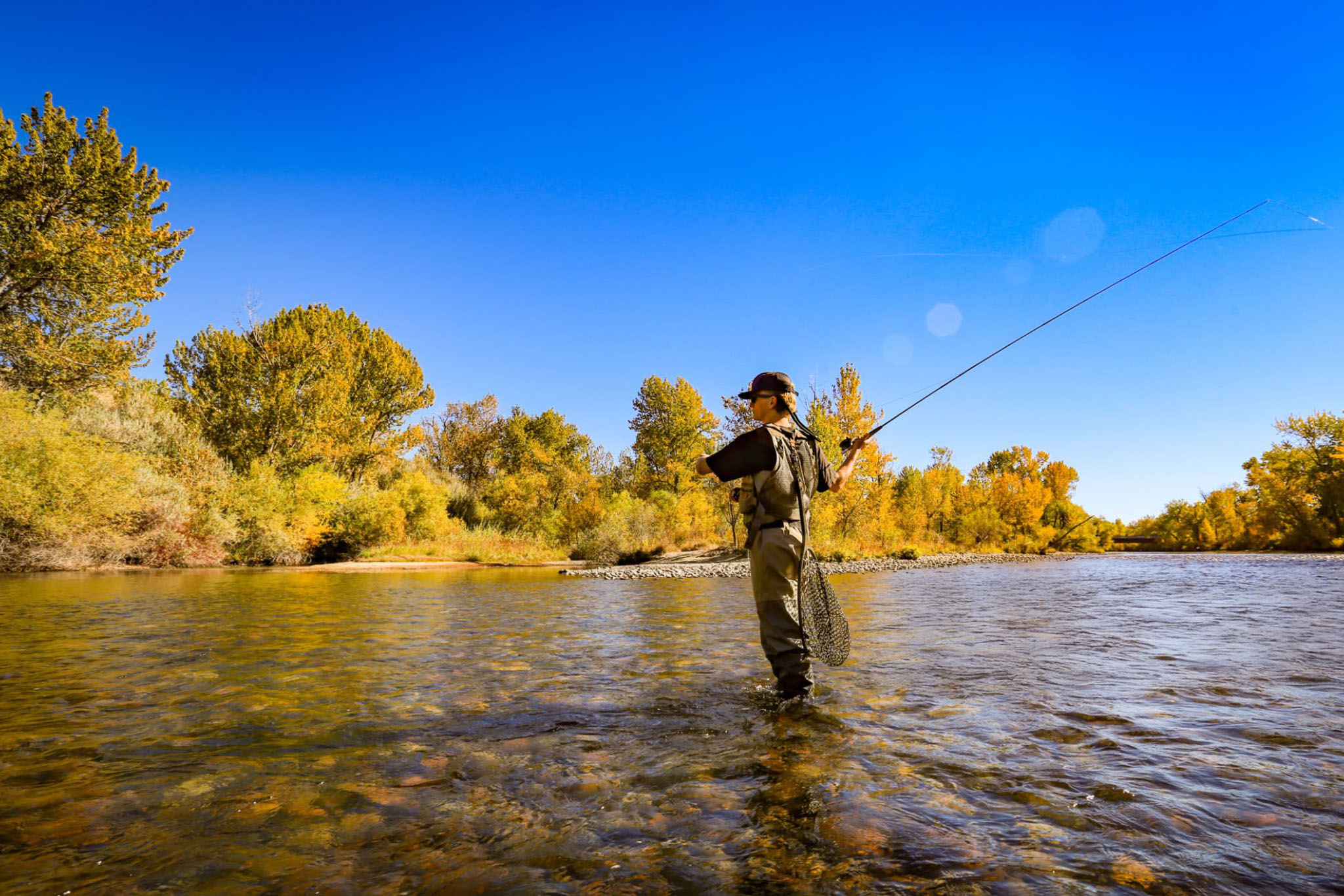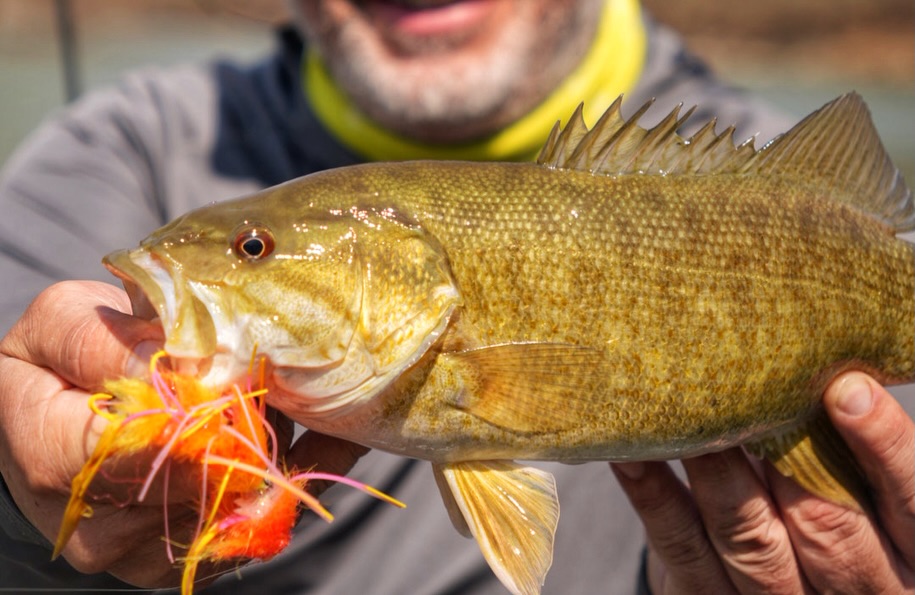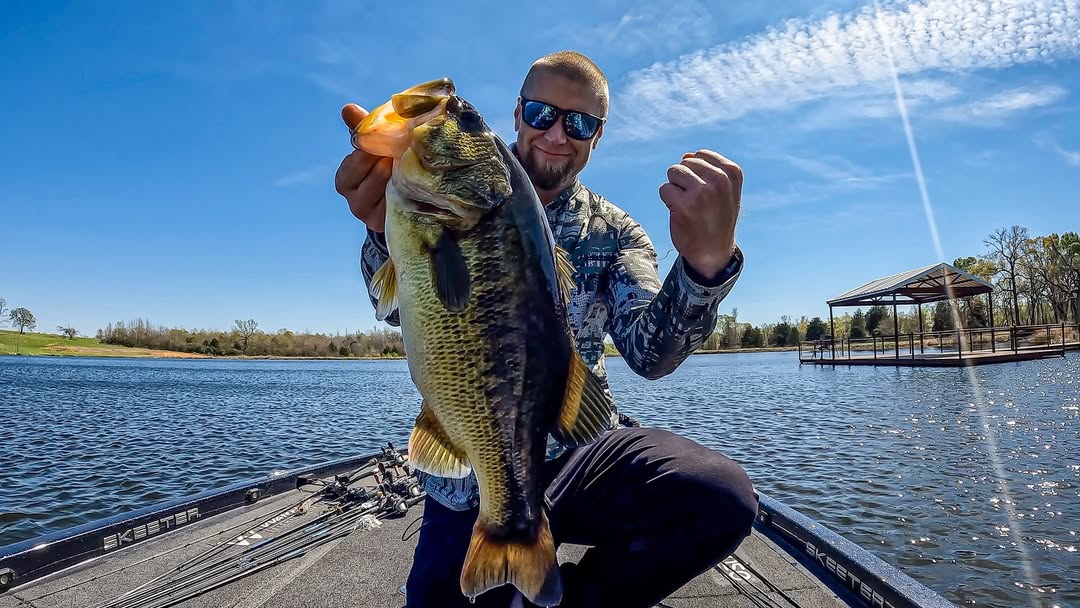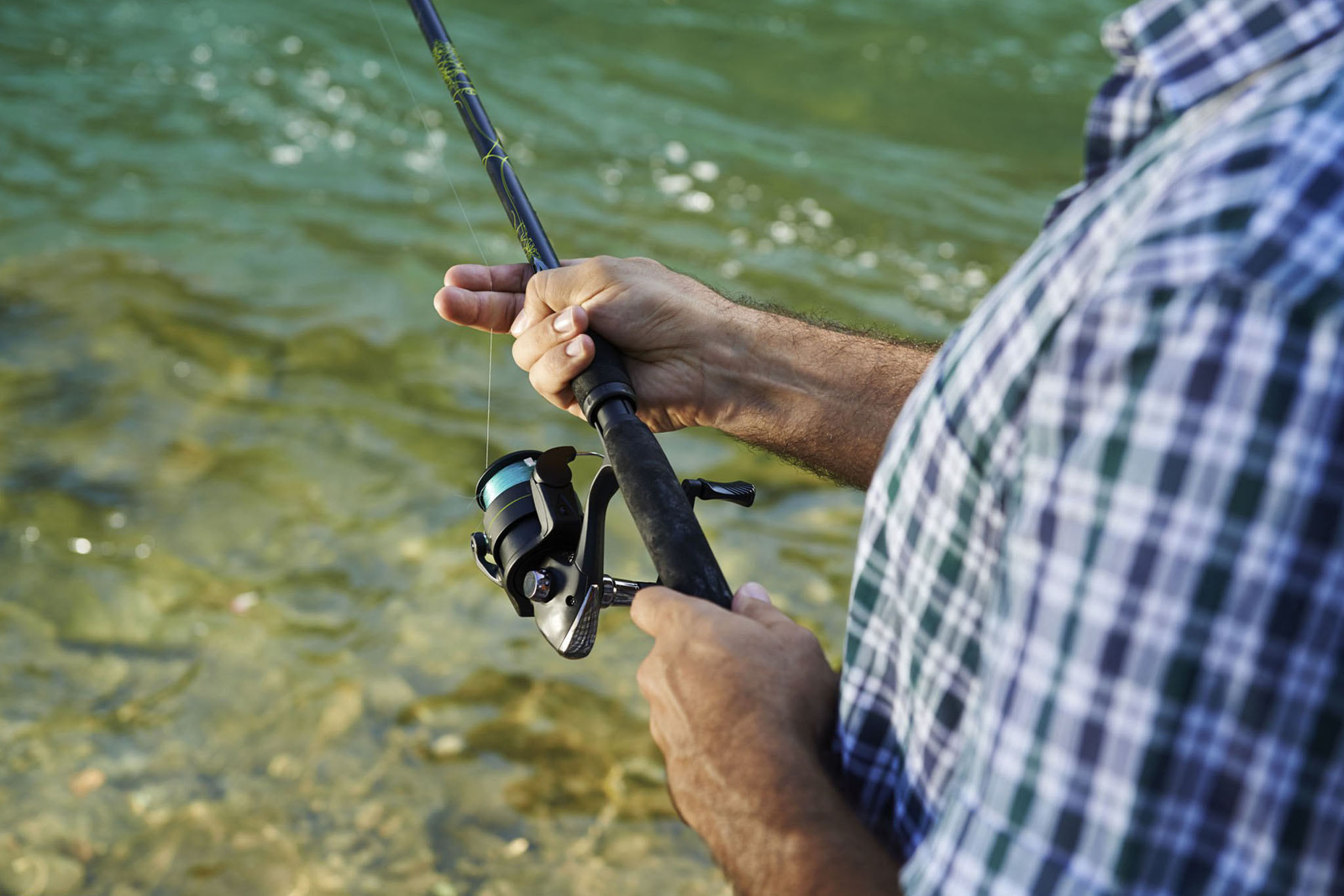
As the icy grip of winter loosens and the first warm days of early spring arrive, anglers across the country eagerly prepare their gear and head to the water. Those initial sunny days can be incredibly productive for fishing, but they also come with unique challenges. Fish are transitioning out of their sluggish winter patterns, adjusting to increasing water temperatures and changing light conditions. Understanding how to adapt your fishing strategy to these early season conditions can lead to impressive catches and set the tone for a successful spring.
In this article, we’ll explore why those first warm days are so important, how fish behavior changes with rising temperatures, and which techniques and gear adjustments will give you the edge when the sun starts shining.
1. Why Early Spring Sunshine Matters
During winter, fish tend to remain in deeper waters where temperatures are more stable. Metabolism slows down, and feeding activity decreases. However, as the first warm days of spring arrive, water temperatures rise—especially in shallow areas—and that triggers a shift in fish behavior.
✅ Increased Fish Activity
- Warmer water increases a fish’s metabolism, which means they need to feed more frequently to sustain their energy levels.
- Fish begin moving from deep wintering holes toward shallower feeding grounds where food is more abundant.
- Pre-spawn activity begins as fish prepare for the upcoming breeding season.
✅ Changing Light and Water Conditions
- Longer daylight hours and more direct sunlight warm the water faster, especially in shallow coves, bays, and shorelines.
- Algae and plankton start blooming, attracting baitfish and, in turn, predator species like bass and crappie.
👉 Understanding these natural shifts allows you to anticipate fish behavior and adjust your strategy accordingly.
2. Best Locations to Target on the First Warm Days
Fish are drawn to areas where water warms up the fastest. On the first warm days of early spring, knowing where to find fish is half the battle.
✅ Shallow Flats and Bays
- Shallow water heats up faster than deeper areas.
- Look for flats adjacent to deeper water where fish can easily move between feeding and resting zones.
- South-facing shorelines receive more sunlight and tend to warm up first.
✅ Rocky and Gravel Bottoms
- Rocks and gravel absorb heat and transfer it to the surrounding water.
- Smallmouth bass and other structure-oriented species are often found near rocky points and shorelines.
✅ Creeks and Inflows
- Streams and creeks flowing into lakes and rivers carry warmer water and nutrients.
- These areas attract baitfish and active predators looking for an easy meal.
✅ Weedy or Vegetation-Covered Areas
- Early growth of aquatic plants provides cover and oxygen, which attracts both baitfish and predators.
- Bass and crappie often stage near emerging vegetation, waiting to ambush prey.
👉 Focus on areas where water depth, structure, and sunlight create a natural feeding environment.
3. Early Spring Fishing Techniques That Work
Once you’ve located the fish, adjusting your presentation and technique to match early spring conditions will increase your chances of success.
✅ 1. Slow and Subtle Retrieval
- Fish metabolism is increasing, but they’re not yet in full-on aggressive feeding mode.
- Use soft plastics, jerkbaits, and jigs with a slow retrieve.
- Pause frequently to allow the lure to hover or sink naturally—this often triggers strikes.
👉 Tip: A slow, twitching action mimics struggling baitfish and is highly effective in cooler water.
✅ 2. Jerkbaits and Suspending Lures
- Jerkbaits imitate injured baitfish and work well when water temperatures are still cool.
- Try a “twitch-pause-twitch” technique, letting the lure suspend in place after each twitch.
- Focus on shallow flats and drop-offs where fish are staging.
✅ 3. Jigging Near Structure
- A finesse jig tipped with a crawfish or plastic trailer works well around rocky points and timber.
- Keep the jig close to the bottom and use small hops or dragging movements.
- Dark colors like green pumpkin and brown mimic early spring prey.
✅ 4. Lipless Crankbaits and Blade Baits
- Lipless crankbaits cover large areas of water quickly and create vibration that attracts fish.
- Use a yo-yo retrieve—lifting the rod tip and letting the bait flutter back down.
- Bright colors like red, orange, and chartreuse work well in stained water.
✅ 5. Live Bait Under a Slip Bobber
- On cooler mornings, fish may stay deeper and less active.
- Suspending live minnows or nightcrawlers under a slip bobber allows you to target fish at varying depths.
- Adjust the depth as water temperatures rise through the day.
4. Gear Adjustments for Early Spring Fishing
Early spring weather can be unpredictable, so having the right gear setup is key.
✅ Rod and Reel Setup
- Use a medium-action rod for versatility—sensitive enough for subtle bites but with enough backbone to handle larger fish.
- A spinning reel is ideal for finesse presentations, while a baitcaster works well for crankbaits and jigs.
✅ Line Selection
- Fluorocarbon line is a great choice for early spring—it sinks, is nearly invisible, and provides better sensitivity in cool water.
- Monofilament works well for topwater lures and jerkbaits due to its buoyancy.
- Braid offers strength and durability when fishing around rocks and heavy cover.
✅ Clothing and Footwear
- Spring mornings can still be chilly—layering is key.
- Waterproof boots or waders (like Hisea deck boots) keep your feet dry when fishing from shore or in shallow water.
- A windproof jacket helps cut down on the chill from early spring breezes.
5. Timing Your Fishing for Maximum Success
Not all warm spring days are created equal. Timing is critical when it comes to early spring fishing.
✅ Best Times of Day
- Late morning to early afternoon – Sunlight has had time to warm the water.
- After a string of sunny days – Fish activity increases as water temperatures stabilize.
- Before a weather front – Fish tend to feed more aggressively ahead of changing weather patterns.
✅ Key Water Temperature Ranges
- 40°F – 50°F – Fish begin leaving wintering holes and moving toward shallow feeding areas.
- 50°F – 60°F – Pre-spawn activity increases—fish become more aggressive and responsive to lures.
- Above 60°F – Fish begin establishing spawning grounds and guarding territory.
6. Common Mistakes to Avoid
❌ Fishing too fast – Early spring fish are not yet in full feeding mode—keep it slow.
❌ Ignoring shallow areas – Fish are often closer to shore than you’d expect.
❌ Overlooking weather changes – Sudden cold snaps can push fish back into deeper water.
❌ Using bright colors in clear water – Natural patterns work better when visibility is high.
🎯 Key Takeaways
✅ Warmer water triggers increased feeding and movement in early spring.
✅ Focus on shallow flats, rocky areas, and creek inlets where fish stage and feed.
✅ Use slow, subtle retrieval techniques and natural lure patterns.
✅ Pay attention to water temperature and weather conditions to time your trip for success.
Conclusion
Fishing the first warm days of spring is an exciting time for any angler. Understanding how rising water temperatures and increasing daylight hours affect fish behavior gives you a serious advantage. By targeting the right areas, using the right techniques, and adjusting your presentation to early spring conditions, you can maximize your chances of landing a trophy catch. So grab your gear, head to the water, and make the most of those first sunny spring days—you might just hook your personal best! 🎣