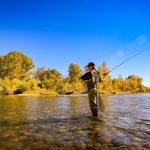
Montana is a fishing paradise, offering some of the best freshwater angling opportunities in the United States. With its crystal-clear rivers, alpine lakes, and abundant fish populations, it’s no wonder that anglers from across the country and around the world flock to Montana every year. But before you pack your gear and head out to the Big Sky Country, it’s essential to understand the state’s fishing seasons, regulations, and licensing requirements.
This guide will provide a comprehensive overview of Montana’s fishing seasons for different species, key regulations you need to follow, and the licensing process to ensure you’re fishing legally and responsibly. Whether you’re casting for trout in the Yellowstone River or fly fishing in Glacier National Park, this guide will help you make the most of your Montana fishing adventure.
🎣 Fishing Seasons in Montana
Montana’s fishing seasons are carefully managed to protect fish populations and ensure sustainable angling for future generations. The state’s diverse geography — from cold mountain streams to warm prairie rivers — means that fishing opportunities vary depending on location, water type, and species.
🏞️ 1. General Fishing Season
- Rivers and Streams:
- Open year-round unless otherwise specified in local regulations.
- Some rivers have seasonal restrictions to protect spawning fish.
- Lakes and Reservoirs:
- Most lakes and reservoirs are open to fishing year-round unless posted otherwise.
- Ice fishing is popular during the winter months on many lakes.
🐟 2. Trout Fishing Season
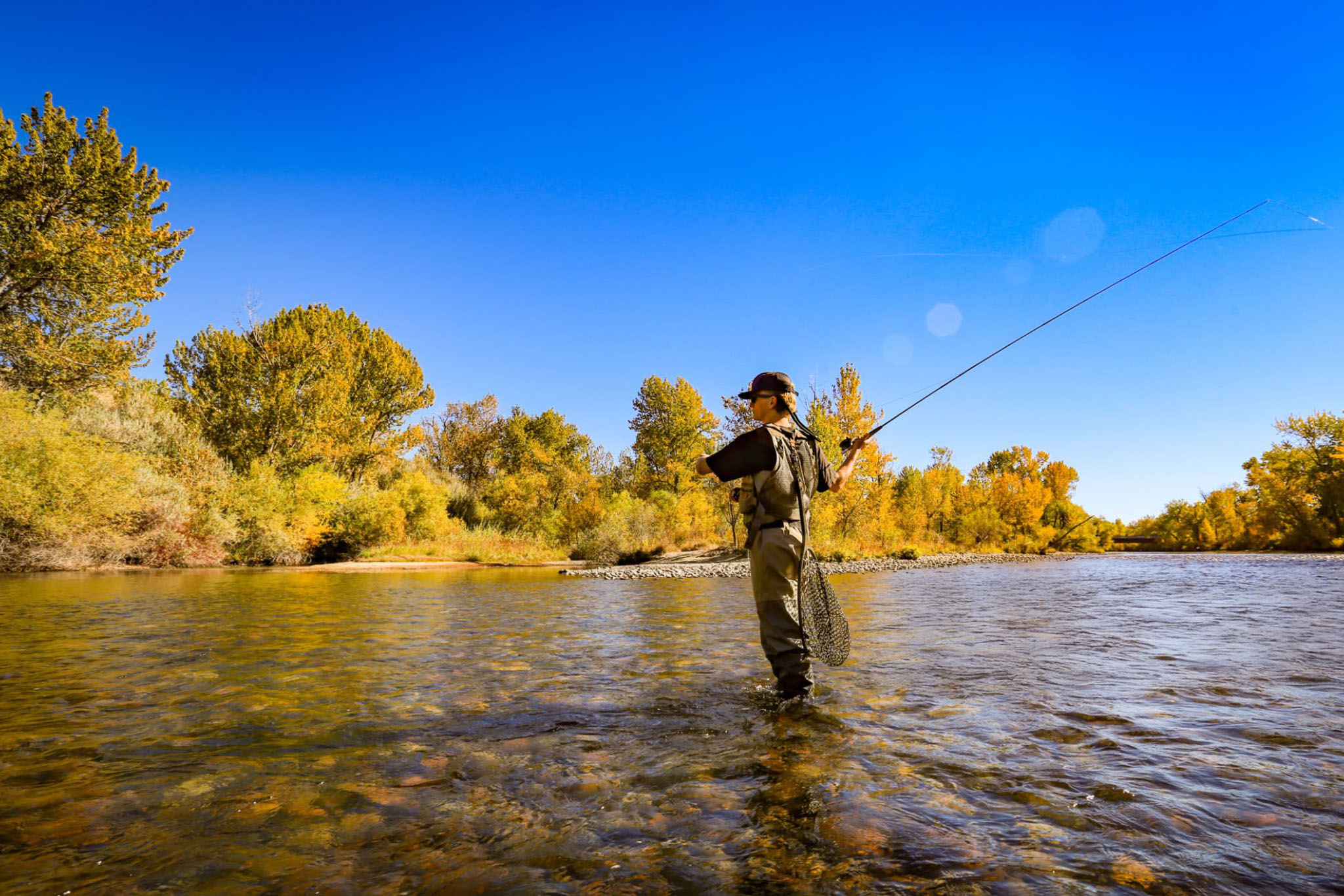
Trout are Montana’s most sought-after fish, especially rainbow, brown, and cutthroat trout.
- Western Montana Trout Season:
- Open year-round for catch-and-release.
- Keep limits may vary depending on the river or lake.
- Eastern Montana Trout Season:
- Open year-round, but some rivers have seasonal closures to protect spawning trout.
👉 Prime time: Late spring through early fall (May–October) is the best time for trout fishing. Fly hatches are most active during this period.
🦈 3. Bass Fishing Season
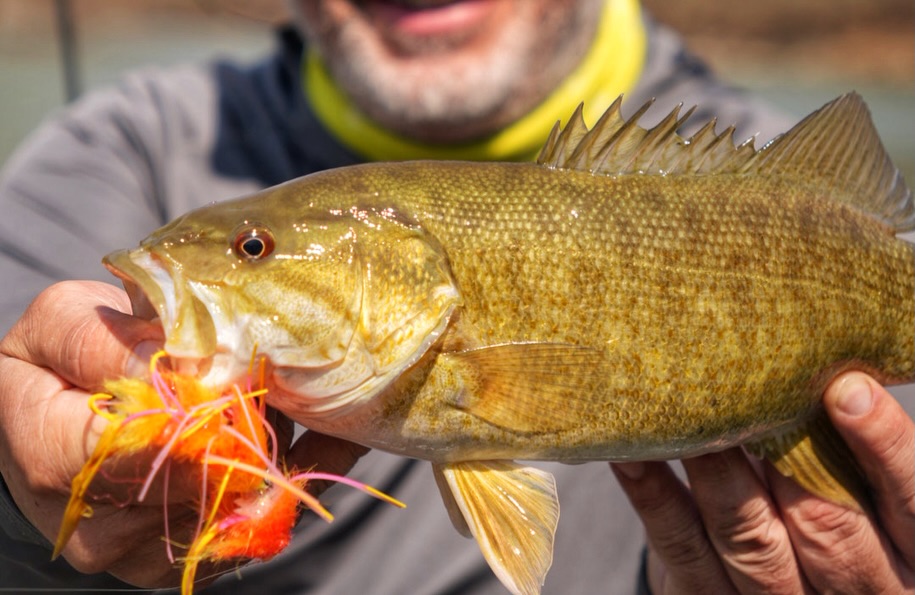
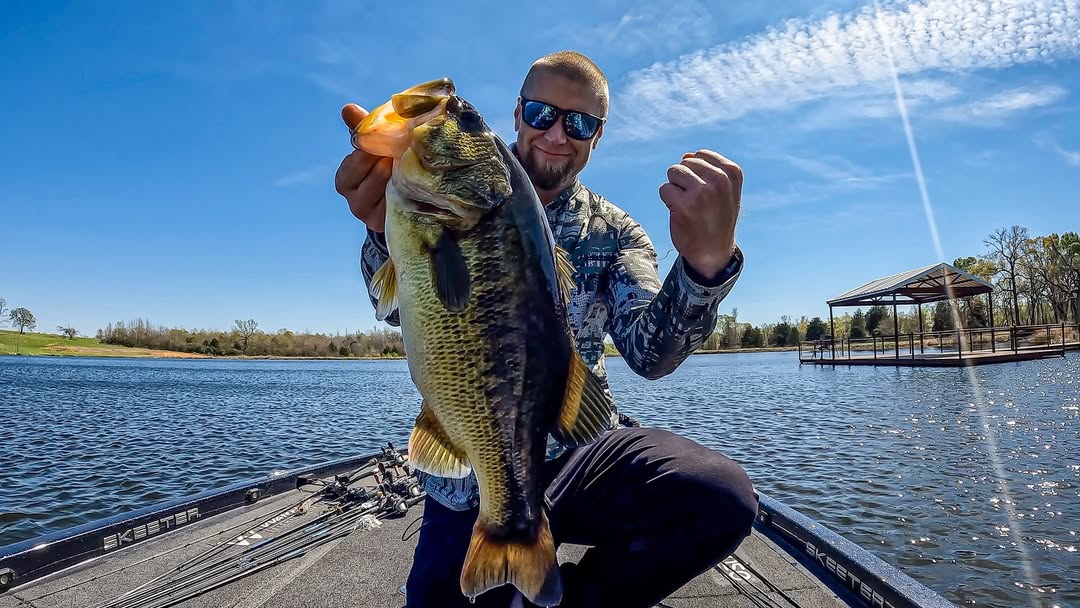
Largemouth and smallmouth bass can be found in Montana’s warmer lakes and rivers.
- Bass Season:
- Open year-round in most waters.
- Some lakes and reservoirs have size and bag limits to maintain healthy bass populations.
👉 Best time: Late spring through early summer (May–July) when bass are most active near the shallows.
🐠 4. Walleye and Northern Pike Season
Walleye and northern pike are popular among anglers for their aggressive strikes and delicious meat.
- Walleye and Pike Season:
- Open year-round in most waters.
- Size and bag limits are enforced to prevent overharvesting.
👉 Best time: Spring and fall when these fish are feeding heavily in preparation for spawning and winter.
🥶 5. Ice Fishing Season
Montana’s long, cold winters create prime ice fishing conditions on lakes and reservoirs.
- Ice Fishing Season:
- Begins when ice is thick enough (usually by late December).
- Continues until ice starts to thaw (typically by March).
- Common catches include perch, trout, pike, and walleye.
👉 Safety Tip: Always check ice thickness (a minimum of 4 inches for walking, 6–8 inches for small vehicles) before heading out.
📏 Fishing Regulations
Montana’s fishing regulations are designed to protect fish populations, promote fair access to fishing opportunities, and maintain ecological balance. Understanding and following these rules is essential for preserving the state’s rich angling heritage.
🚫 1. Catch Limits and Size Restrictions
- Each species has specific daily catch limits and size restrictions that vary by location.
- Regulations often distinguish between native and non-native species — native fish like cutthroat trout may have stricter limits.
👉 Example:
- Rainbow Trout – Daily limit of 5 fish in most waters.
- Cutthroat Trout – Catch-and-release only in many rivers to protect native populations.
🔍 2. Bait and Tackle Restrictions
- Some rivers and streams are designated as “Fly Fishing Only” areas.
- In certain waters, using live bait (like minnows or worms) is prohibited to prevent the introduction of invasive species.
- Barbless hooks may be required in catch-and-release areas to minimize harm to fish.
👉 Check local regulations before heading out — some rivers change rules seasonally.
🏆 3. Special Management Areas
Montana designates certain rivers, lakes, and reservoirs as Special Management Areas with stricter regulations to protect vulnerable fish populations.
- Example:
- Smith River – Requires a special permit to float and fish.
- Big Hole River – Has size and catch limits to protect native grayling.
🌍 4. Invasive Species Prevention
Montana has strict regulations to prevent the spread of invasive species like zebra mussels and Eurasian watermilfoil.
- Anglers must:
- Clean all gear and boats after use.
- Drain all water from boats and equipment.
- Dry gear thoroughly before entering another body of water.
👉 Failure to follow invasive species prevention laws can result in heavy fines.
🪪 Montana Fishing Licenses
A valid fishing license is required for all anglers aged 12 and older in Montana. Here’s what you need to know about getting licensed:
💳 1. Types of Licenses
- Conservation License – Required for all fishing activities.
- Base Fishing License – Needed in addition to the Conservation License.
- Special Permits – Needed for specific waters or species (e.g., paddlefish, Smith River).
👉 Example: To fish for trout in a river, you need both a Conservation License and a Base Fishing License.
🏞️ 2. License Costs
| License Type | Montana Resident | Non-Resident |
|---|---|---|
| Conservation License | $8 | $10 |
| Base Fishing License (ages 12–17) | $5 | $25 |
| Base Fishing License (ages 18–61) | $21 | $100 |
| Base Fishing License (ages 62+) | $10.50 | N/A |
| Paddlefish Permit | $6 | $15 |
📅 3. Where to Buy Licenses
- Online through the Montana Fish, Wildlife & Parks website.
- At any authorized license vendor (sporting goods stores, bait shops).
- Over the phone through Montana Fish, Wildlife & Parks.
🏆 Best Fishing Destinations in Montana
✔️ Yellowstone River – One of the best trout rivers in the world.
✔️ Missouri River – Known for large rainbow and brown trout.
✔️ Flathead Lake – Prime spot for lake trout and whitefish.
✔️ Bighorn River – World-class tailwater fishing for brown and rainbow trout.
✔️ Georgetown Lake – Excellent for kokanee salmon and brook trout.
🎯 Final Thoughts
Fishing in Montana is more than just a pastime — it’s a way of life. By understanding the state’s fishing seasons, respecting the regulations, and securing the right licenses, you’ll be well-prepared to enjoy some of the finest fishing in the country. So grab your rod, tie on your favorite lure, and get ready to experience the thrill of fishing in Big Sky Country! 🌄