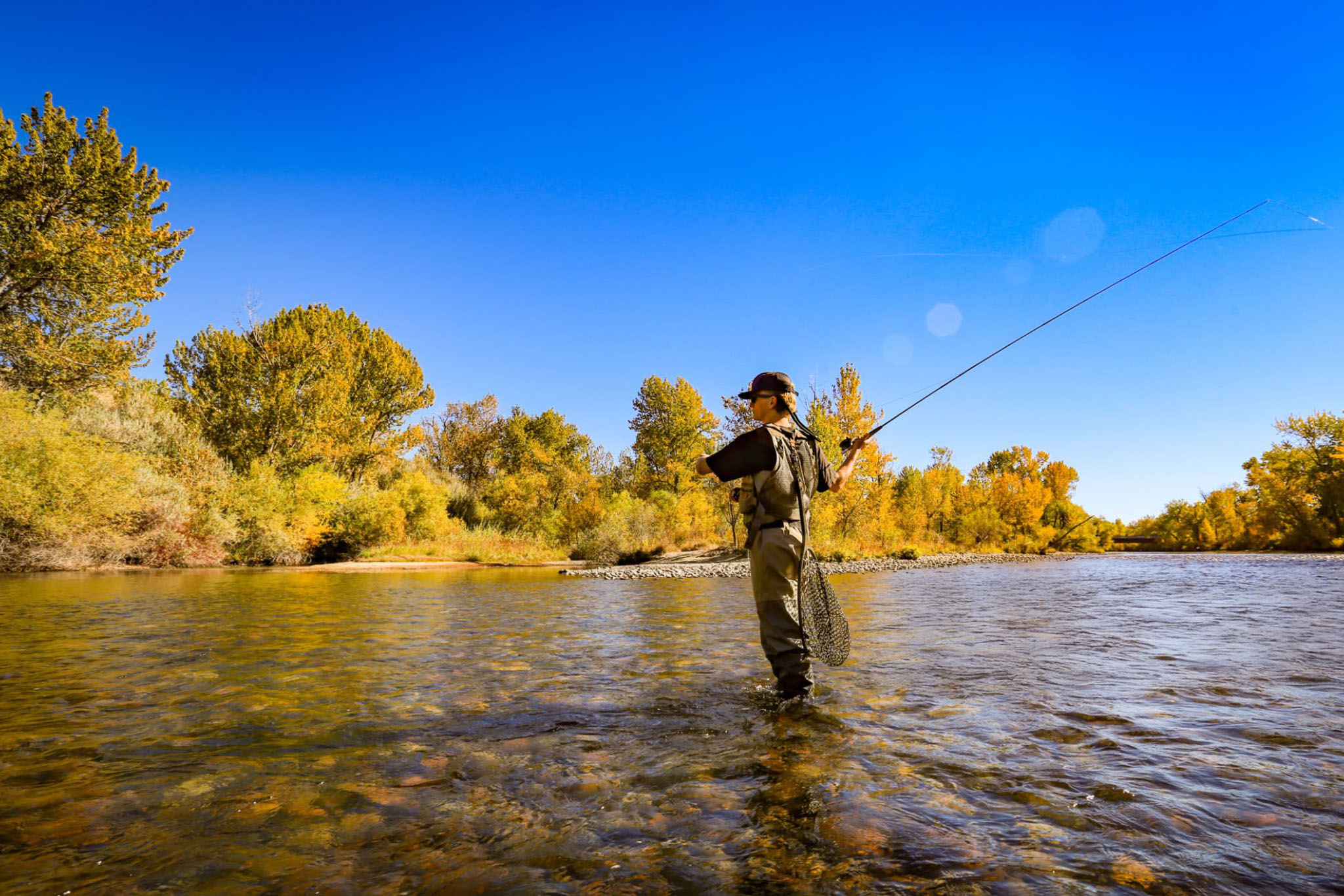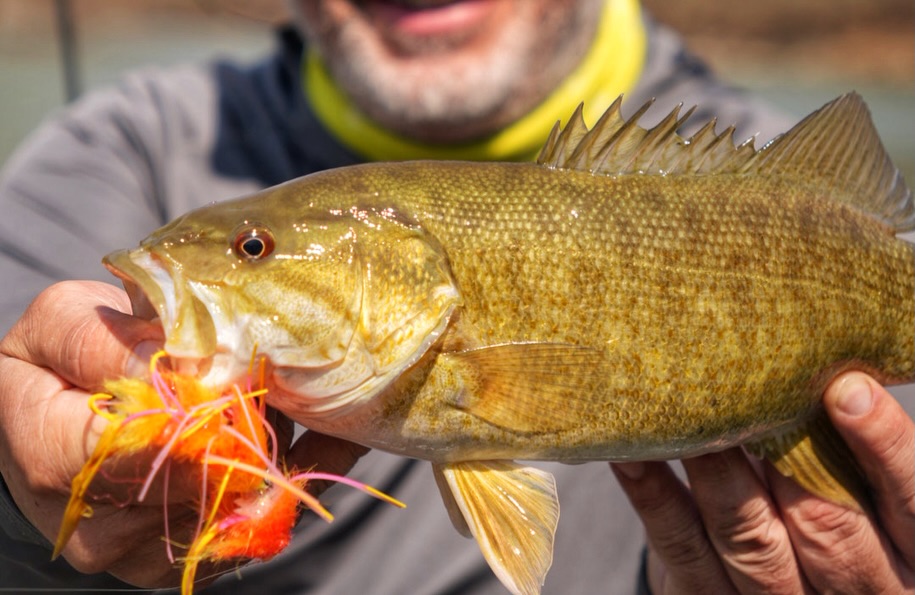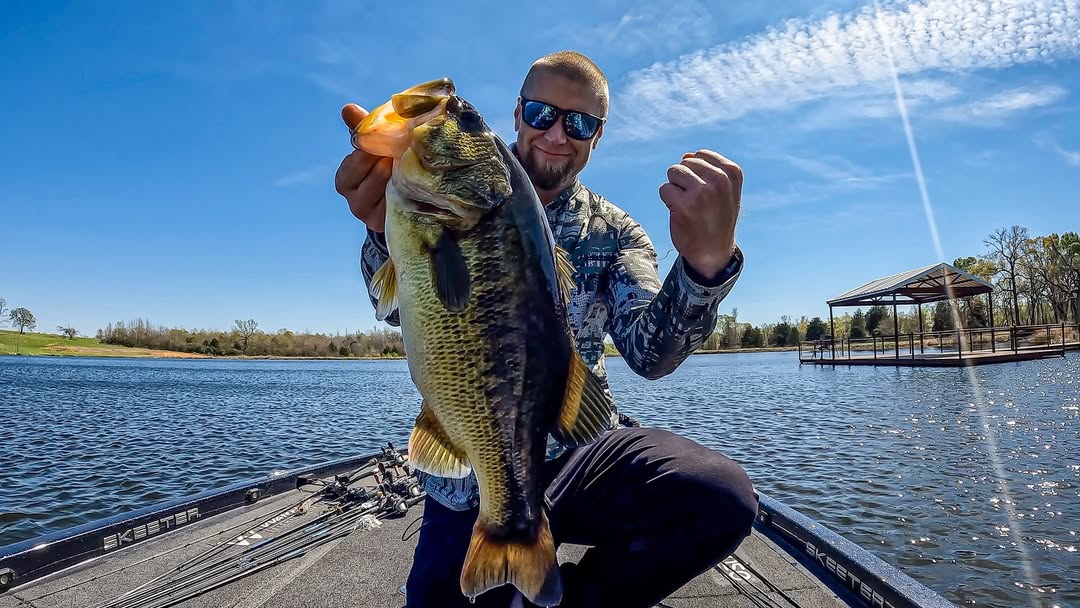
Mastering the art of casting is one of the most valuable skills any angler can develop. While basic casting will get the job done, advanced casting techniques can give you a serious edge, especially when you’re targeting finicky fish or fishing in challenging conditions. Whether you’re trying to place a lure under an overhanging branch, reach a distant feeding zone, or adjust to strong winds, improving your accuracy and distance will increase your success rate and make your time on the water more productive.
In this guide, we’ll break down the mechanics of advanced casting, explore key techniques used by seasoned anglers, and provide tips to help you refine your form and maximize your performance on the water.
🎯 1. Perfecting the Basics – The Foundation of Advanced Casting
Before you can master advanced casting, you need to have a solid foundation. Proper grip, stance, and timing are essential for building accuracy and power.
✅ Proper Grip:
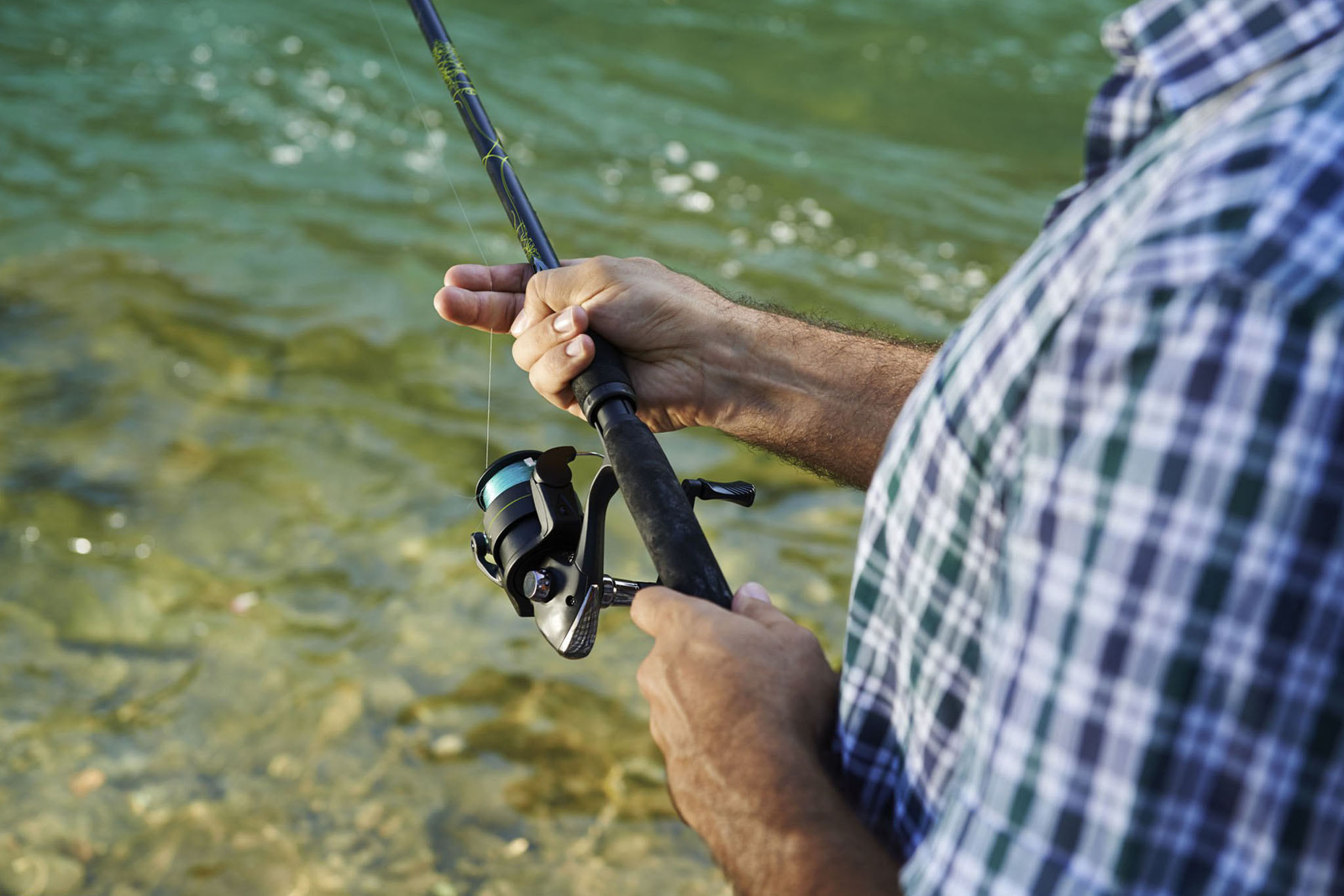
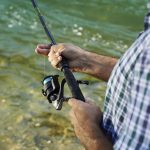
- For spinning and baitcasting reels, hold the rod with a relaxed but firm grip.
- Your thumb should rest lightly on the spool (for baitcasters) or your index finger should touch the line (for spinning reels).
- Keep your wrist loose—stiffness will reduce both distance and accuracy.
✅ Stance and Body Position:
- Stand with your feet shoulder-width apart for balance.
- Position your dominant foot slightly forward.
- Keep your knees slightly bent to allow for fluid movement and weight transfer.
✅ Timing and Release:
- Start with the rod at the 10 o’clock position.
- Bring it back to the 2 o’clock position with a smooth, controlled motion.
- Release the line at the peak of your forward motion when the rod reaches about 11 o’clock.
👉 Pro Tip: Practice casting without a lure in an open area to fine-tune your mechanics before hitting the water.
🏹 2. Mastering Pitching and Flipping – Precision in Tight Spaces
Pitching and flipping are essential techniques when targeting bass or other species hiding under cover like docks, vegetation, and fallen trees. These casts allow for quiet, accurate lure placement without spooking the fish.
🎣 Pitching Technique:
- Let out enough line so that the lure hangs about 18–24 inches from the rod tip.
- Keep the rod at a slight angle and grip the lure lightly with your opposite hand.
- Lower the rod tip, swing the lure forward in a pendulum motion, and release it toward the target.
- As the lure flies, follow through with the rod to keep the line tight.
👉 When to Use Pitching:
- Fishing in shallow water near cover
- Targeting specific spots like dock pilings or stumps
- Presenting soft plastics or jigs quietly
🎯 Flipping Technique:
- Let out about 10 feet of line.
- Hold the line with your non-dominant hand and lift the rod tip.
- Swing the lure toward the target using your wrist and forearm.
- Once the lure is near the target, release the line and guide it into the strike zone.
👉 When to Use Flipping:
- Fishing thick vegetation or heavy cover
- When accuracy is more important than distance
- Ideal for vertical presentations
💨 3. Roll Casting – Smooth and Controlled for Tight Angles
Roll casting is perfect for delivering a lure into tight spaces with minimal splash, especially when there’s no room for a backswing.
🎣 How to Execute a Roll Cast:
- Start with the rod tip low and the line extended in front of you.
- Sweep the rod in a circular motion, forming a loop with the line.
- Release the lure at the top of the loop, aiming for a soft, controlled landing.
- Follow through with the rod tip pointed toward the target.
👉 Best Uses for Roll Casting:
- Under low-hanging branches
- Close-quarters fishing
- When accuracy is more important than distance
🌬️ 4. Overhead Casting – Maximizing Distance and Power
Overhead casting is the go-to technique for maximizing distance and covering large areas. When done correctly, it allows you to deliver heavy lures far beyond typical casting ranges.
🎣 How to Improve Your Overhead Casting:
- Start with the rod at the 10 o’clock position.
- Load the rod by bringing it back to the 2 o’clock position.
- Snap your wrist forward while shifting your weight from back foot to front foot.
- Release the line at the peak of your forward motion.
- Follow through completely to maximize power and control.
👉 Pro Tip: Use braided line for longer casts due to its low stretch and higher sensitivity.
🌊 5. Backhand Casting – Ideal for Casting from Tight Angles
Backhand casting is a specialized technique used when you need to deliver a lure into a tricky spot without repositioning your body.
🎣 How to Execute a Backhand Cast:
- Hold the rod across your body with your dominant hand.
- Swing the rod backward in a smooth arc.
- Release the line at the peak of the backward motion.
- Follow through with the rod pointing toward the target.
👉 When to Use Backhand Casting:
- When fishing near obstacles like trees or docks
- When casting from an awkward angle
- For quick, reaction-based presentations
💪 6. Adjusting for Wind and Weather Conditions
Wind can dramatically affect your casting accuracy and distance. Adjusting your technique to compensate for wind direction is crucial.
✅ Casting into the Wind:
- Use a heavier lure to cut through the wind.
- Lower your casting trajectory to reduce wind resistance.
- Increase the power of your cast but maintain smooth control.
✅ Casting with the Wind:
- Use lighter lures to take advantage of the wind’s assistance.
- Increase your casting angle to maximize distance.
✅ Casting Across the Wind:
- Use a sidearm or roll cast to minimize line drift.
- Aim slightly upwind to compensate for drift.
🔧 7. Fine-Tuning Your Reel and Line Setup
Proper reel and line setup can make or break your casting performance.
✅ Reel Settings:
- For baitcasters, adjust the spool tension so the lure falls slowly when the reel is disengaged.
- Set the brake to prevent backlash while allowing for maximum distance.
✅ Line Choice:
- Braided line – Best for distance and sensitivity
- Fluorocarbon – Ideal for clear water and stealthy presentations
- Monofilament – Good all-around choice, especially for topwater lures
👉 Pro Tip: Regularly clean and lubricate your reel to maintain smooth casting performance.
🏆 8. Practicing Like a Pro
Consistent practice is the key to mastering advanced casting techniques. Set up casting targets at different distances and angles in your backyard or at a local park.
✅ Practice Drills:
- Cast toward hula hoops or buckets to improve accuracy.
- Gradually increase distance and reduce target size.
- Practice in windy conditions to simulate real-world challenges.
👉 Pro Tip: Track your progress by measuring distance and accuracy over time.
🎣 Conclusion
Advanced casting techniques separate good anglers from great ones. By mastering pitching, flipping, roll casting, and adjusting for weather conditions, you’ll significantly improve your accuracy and distance on the water. Don’t be afraid to experiment with different techniques and fine-tune your setup—small adjustments can make a big difference.
The next time you’re out on the water, put these techniques into action and watch your success rate soar. Happy casting! 🎣