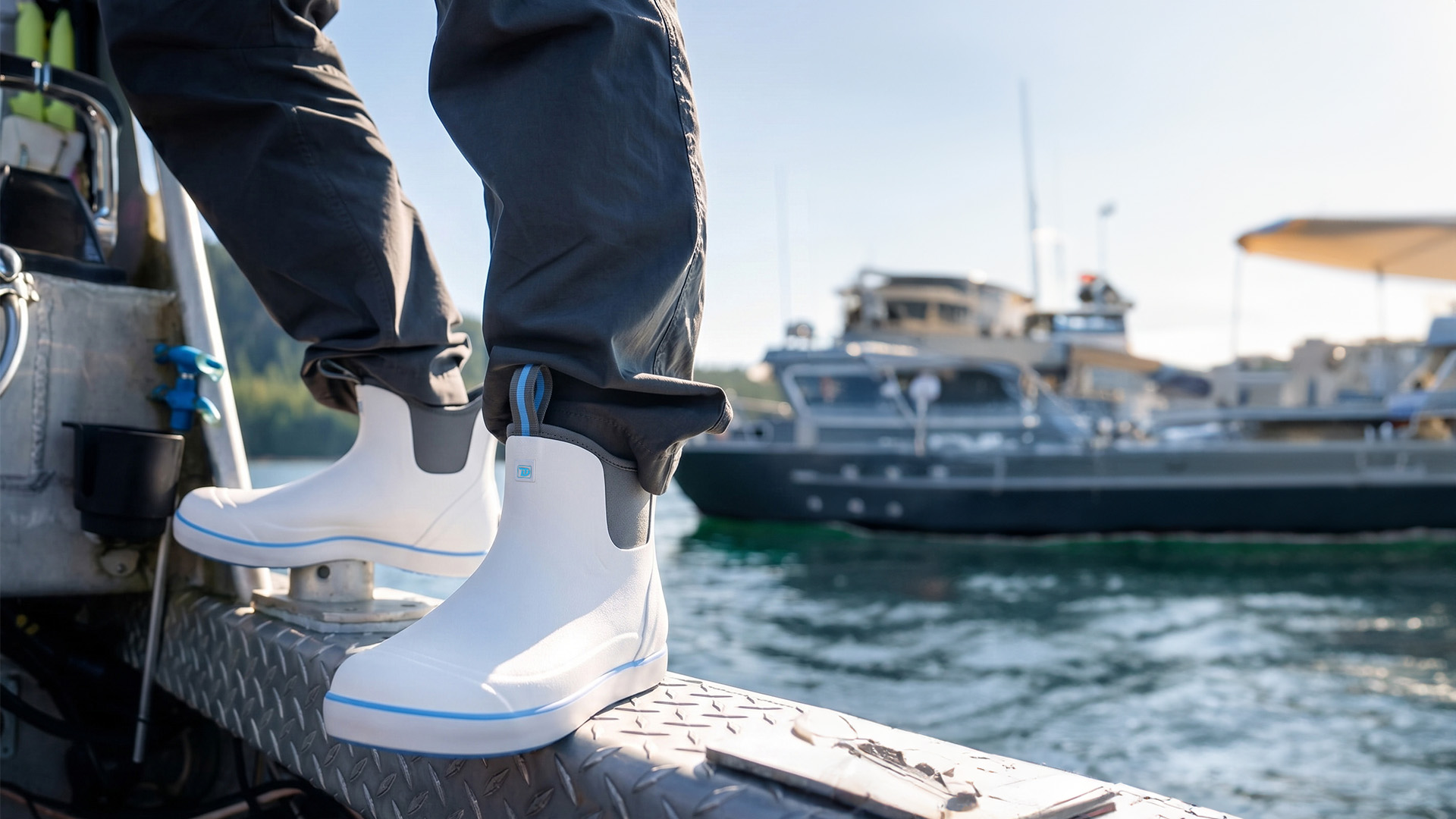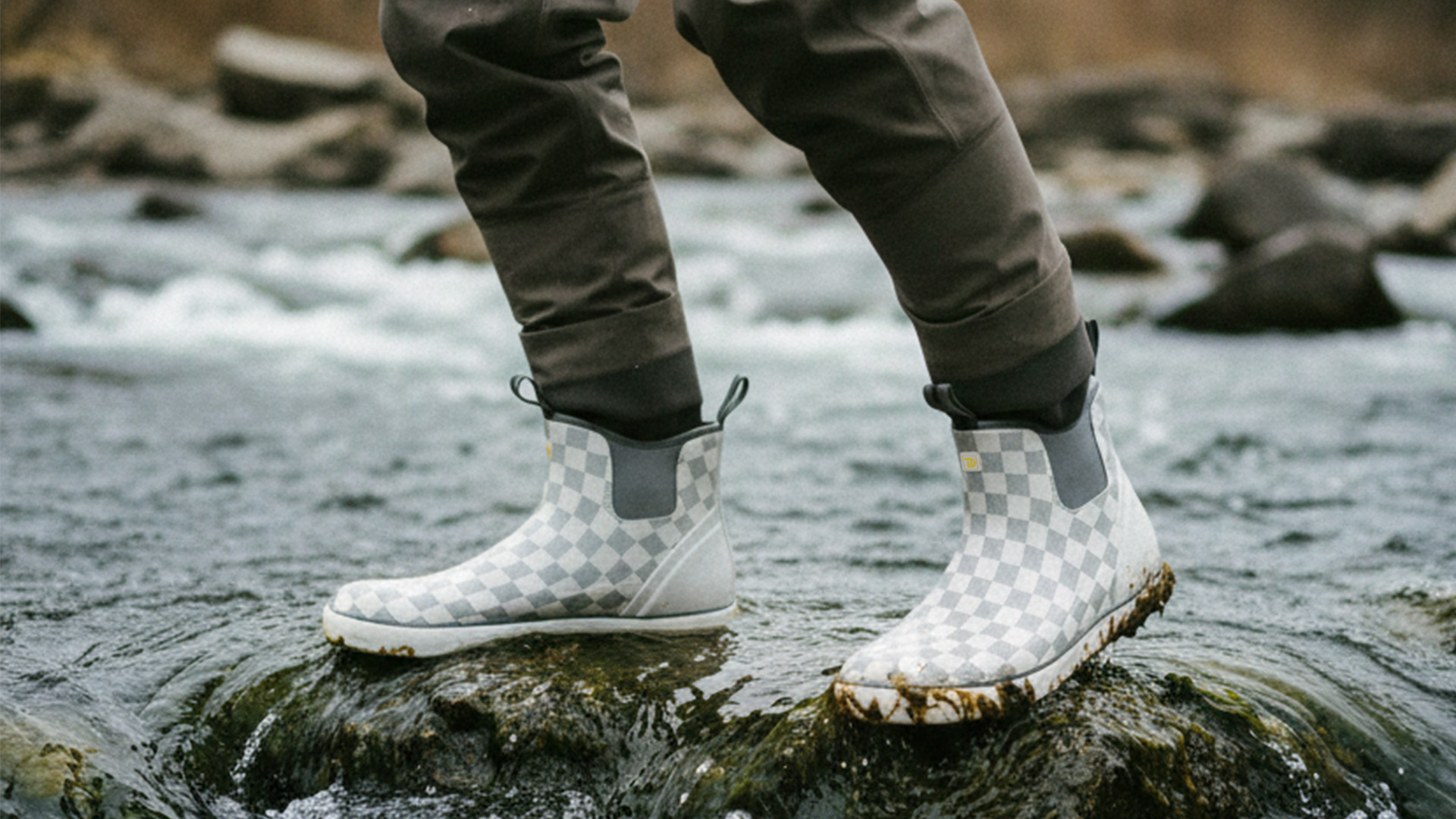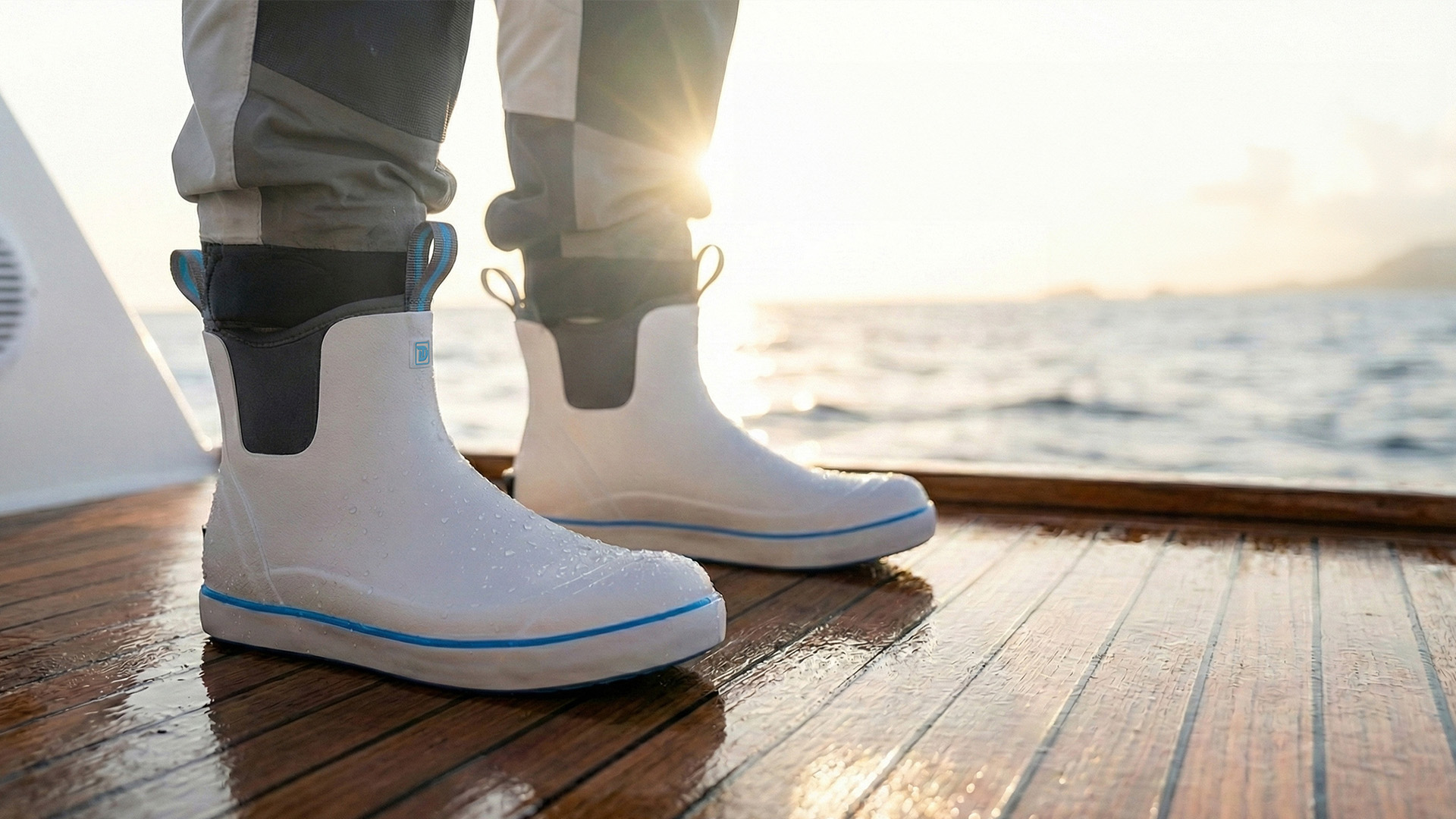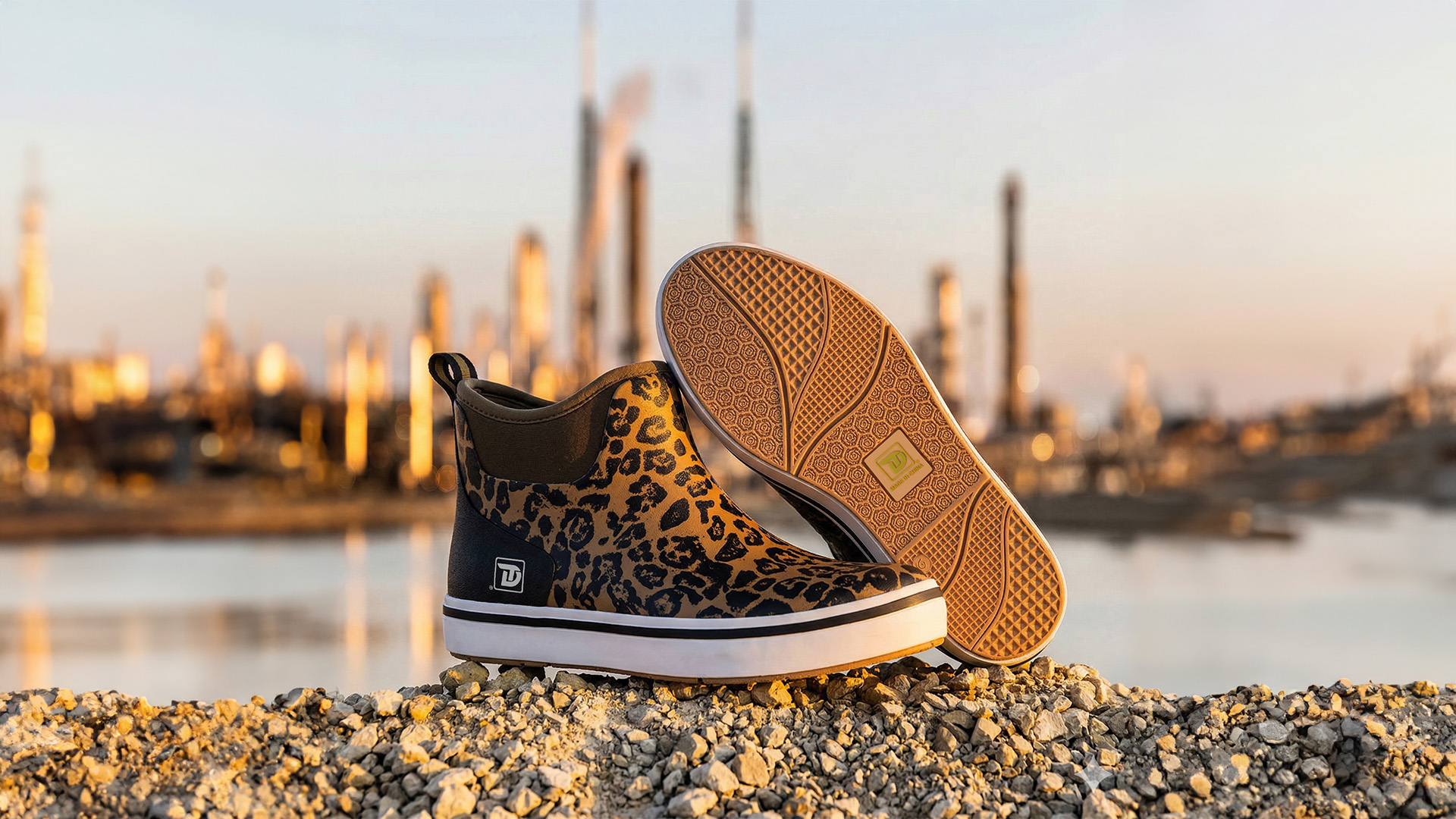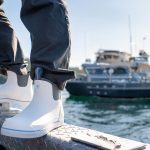
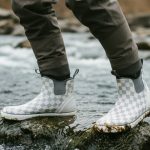
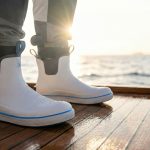
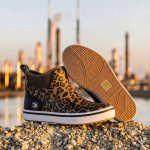
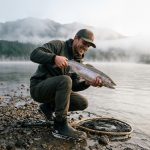
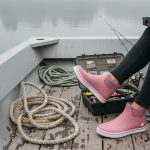

Whether you’re hauling crab pots, casting lines offshore, or cleaning your catch at the dock, your choice of footwear matters. Deck boots—also called commercial fishing boots or marine boots—aren’t just waterproof rubber. They’re your grip, your safety, and your endurance when you’re working or playing on slick, shifting surfaces.
Let’s explore why deck boots have become essential for anglers, deckhands, and weekend warriors alike—and what to look for when choosing your next pair.
🌊 What Makes a Deck Boot Different?
Unlike standard rubber boots or work boots, deck boots are uniquely engineered for wet environments:
- Slip-resistant soles for traction on wet fiberglass, aluminum, or wood
- Chemical- and fish-oil-resistant rubber to withstand brutal marine conditions
- Flexible ankle height for easy movement, with pull-on design for quick changes
- Breathable liners to reduce sweat buildup during long days on the water
- Minimal tread channels to avoid trapping mud or fish slime
This isn’t your average rain boot. It’s your daily armor at sea.
🧭 Choosing the Right Deck Boots for Your Needs
Different conditions call for different features. Here’s how to choose:
| Use Case | Best Boot Features |
|---|---|
| Offshore fishing (cold) | Insulated liner, full 12–15″ height |
| Warm-weather inshore fishing | Ankle-high cut, uninsulated, breathable |
| Dock work & casual wear | Lightweight, cushioned footbed, quick-dry |
| Charter crew or guides | Professional-grade, reinforced toe and heel |
| Kayak & SUP fishing | Flexible sole, snug ankle fit, barefoot feel |
💡 Tip: If you move between deck and land often, look for hybrid styles with more casual profiles.
🛠️ Top Features to Look For in 2025 Deck Boots
As marine tech evolves, so do deck boots. This year’s best models include:
- X-grip or hex-lug outsole tech for ultra-non-slip contact
- Anti-microbial insoles for odor control after long days
- Seamless construction to prevent leaks and cracks over time
- Heel tabs and stretch collars for fast on/off, even when wet
- Shock-absorbing midsoles to reduce fatigue on long days at sea
❌ Deck Boot Buying Mistakes to Avoid
Don’t let these common errors sink your comfort:
- ❗ Buying rain boots instead of true deck boots
- ❗ Going too high-cut when you need agility
- ❗ Skimping on sole quality (grip is safety!)
- ❗ Ignoring sweat control—moisture = blisters
- ❗ Not checking sizing with thick or thin socks
🧦 Always test with the socks you’ll wear on the water.
🥇 Top Deck Boot Brands to Consider
Here are some of the most trusted names in the industry:
- Grundéns – Designed by and for commercial fishermen
- XTRATUF – The gold standard in Alaskan deck boots
- HISEA – Solid performance at a budget-friendly price
- Gill – Marine-grade performance with British design
- Simms – Angler-focused boots with premium traction tech
🔍 Need help choosing the best model? Compare them at deckboots.shop
👣 Final Thoughts: Step Confidently on Every Deck
If the ocean is your office—or your playground—don’t overlook what’s underfoot. Deck boots aren’t just protective—they’re the difference between a confident step and a dangerous slip, a dry day and a waterlogged one.
So whether you’re deep-sea trolling or hauling gear at the dock, step into something built for it. Because your footing should work as hard as you do.