



If you’re gearing up for a muddy job site, rainy dock shift, or backyard chores in soggy weather, chances are you’re torn between two choices: deck boots or work boots. Both sound tough, but which one’s really got your back when the ground gets sloppy?
Spoiler alert: deck boots are the MVP when moisture is involved. Let’s dig into why.
💧 1. Waterproofing: Deck Boots Win by Design
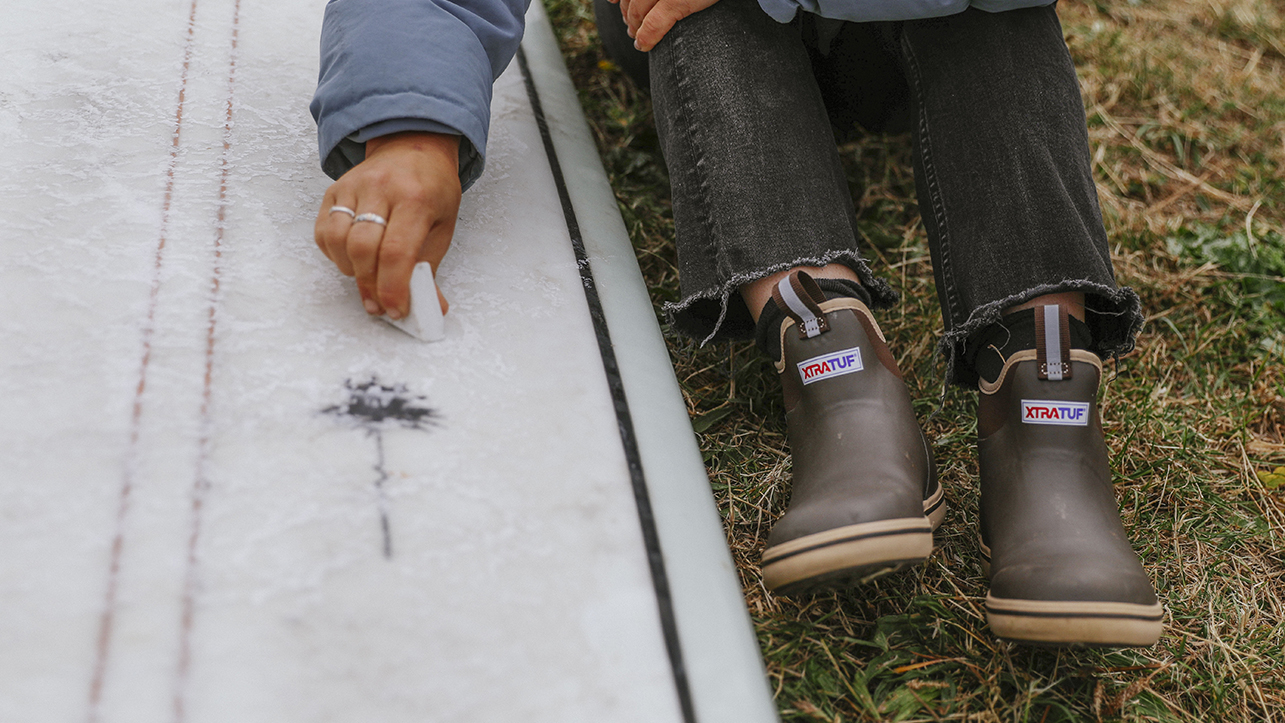
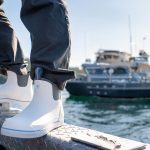
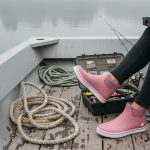
Deck boots are built from the ground up to be 100% waterproof. Whether you’re stepping through puddles, cleaning the boat deck, or moving gear in the rain, these boots are sealed tight.
Work boots, on the other hand, are often only water-resistant. Leather uppers and mesh panels may look rugged—but once they soak through, your feet are wet for hours.
✅ Deck boots: Waterproof rubber or neoprene
❌ Work boots: Water-resistant at best
🧊 2. Cold-Weather Comfort: Who Holds the Heat?
Modern deck boots aren’t just for mild climates. Many are insulated, with neoprene linings that trap heat while still breathing.
Work boots can offer insulation, but when they get wet, insulation turns soggy and cold fast. Unless you’re in a dry environment, deck boots are the safer bet.
🔥 Pro Tip: Look for insulated deck boots rated for sub-freezing temps—they’re surprisingly warm for such a low-profile design.
🛞 3. Grip and Traction: Marine-Grade Soles Make the Difference
Deck boots use siped rubber soles, the same kind used on boat shoes. These soles channel water away and grip even slimy docks or boat floors.
Most work boots focus on traction for dry dirt or concrete—not for standing water or slippery mud.
| Surface | Deck Boots Grip | Work Boots Grip |
|---|---|---|
| Wet decks | ✅ Excellent | ❌ Risky |
| Slick mud | ✅ Solid | ⚠️ Varies |
| Dry pavement | ✅ Good | ✅ Good |
🧼 4. Maintenance: Deck Boots Clean Themselves (Almost)
After a long shift, the last thing you want is to scrub down your boots.
Deck boots rinse off with a garden hose. No fabric, no laces, no fuss.
Work boots? Caked mud in the soles, soaked laces, and leather care products… yeah, it’s a chore.
🚪 5. Slip-On Convenience: Fast Out the Door
Deck boots were built for people in a rush—fishermen, yard workers, anyone on the move. No laces. No metal hooks. Just pull them on and step out.
If you’re hauling a cooler or juggling tools, every second counts.
⚡ Deck boots: Pull-on, no laces
🐢 Work boots: Lace-up, time-consuming
💥 Bonus: Lighter Than You Think
Despite their rugged build, deck boots are lightweight, making them perfect for long wear without fatigue.
That’s a big contrast to many work boots that weigh you down with steel shanks, bulky leather, and thick soles.
Your legs (and lower back) will thank you.
🤔 So… Who Should Use Deck Boots?
If your daily grind includes:
- 🌧 Wet conditions
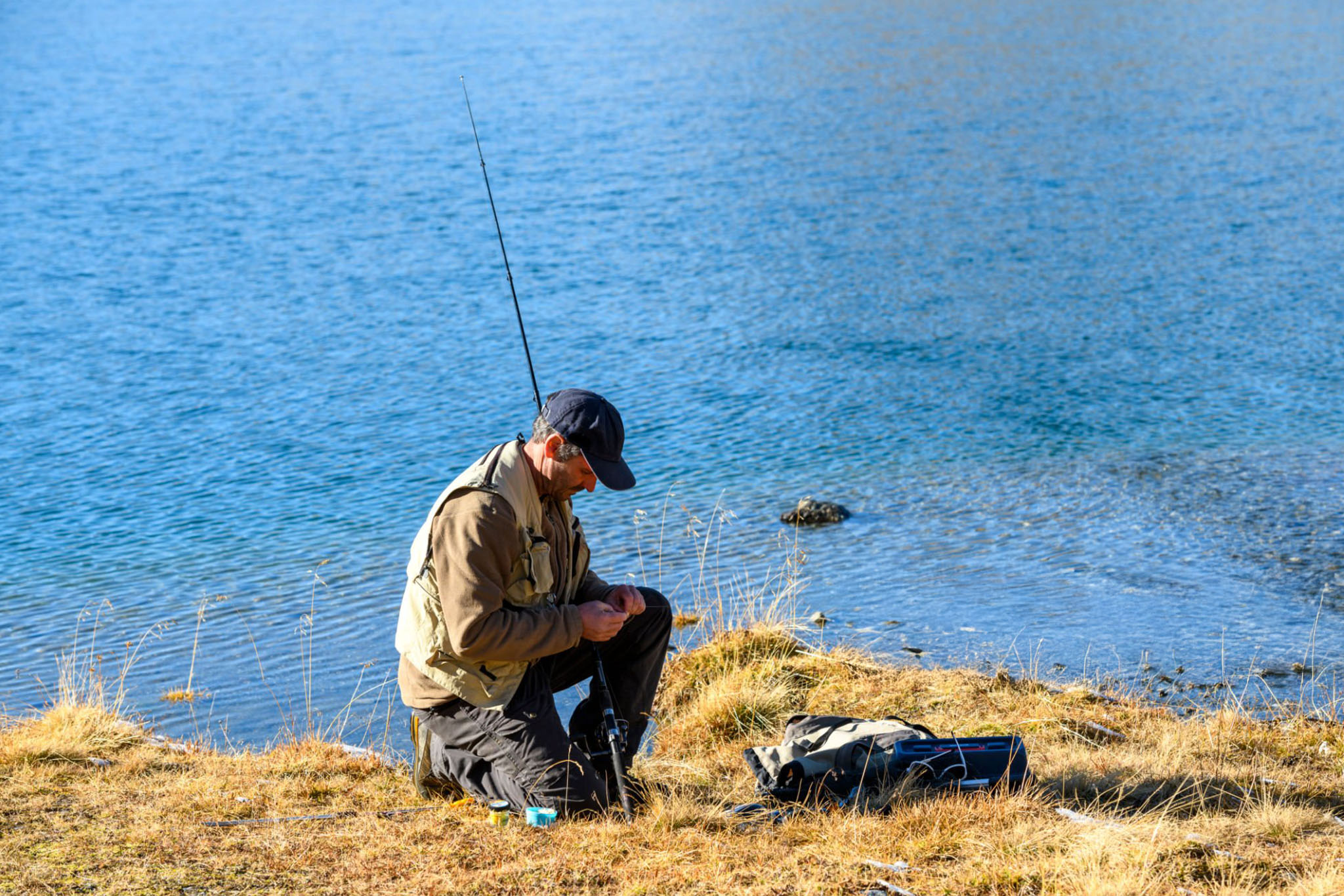
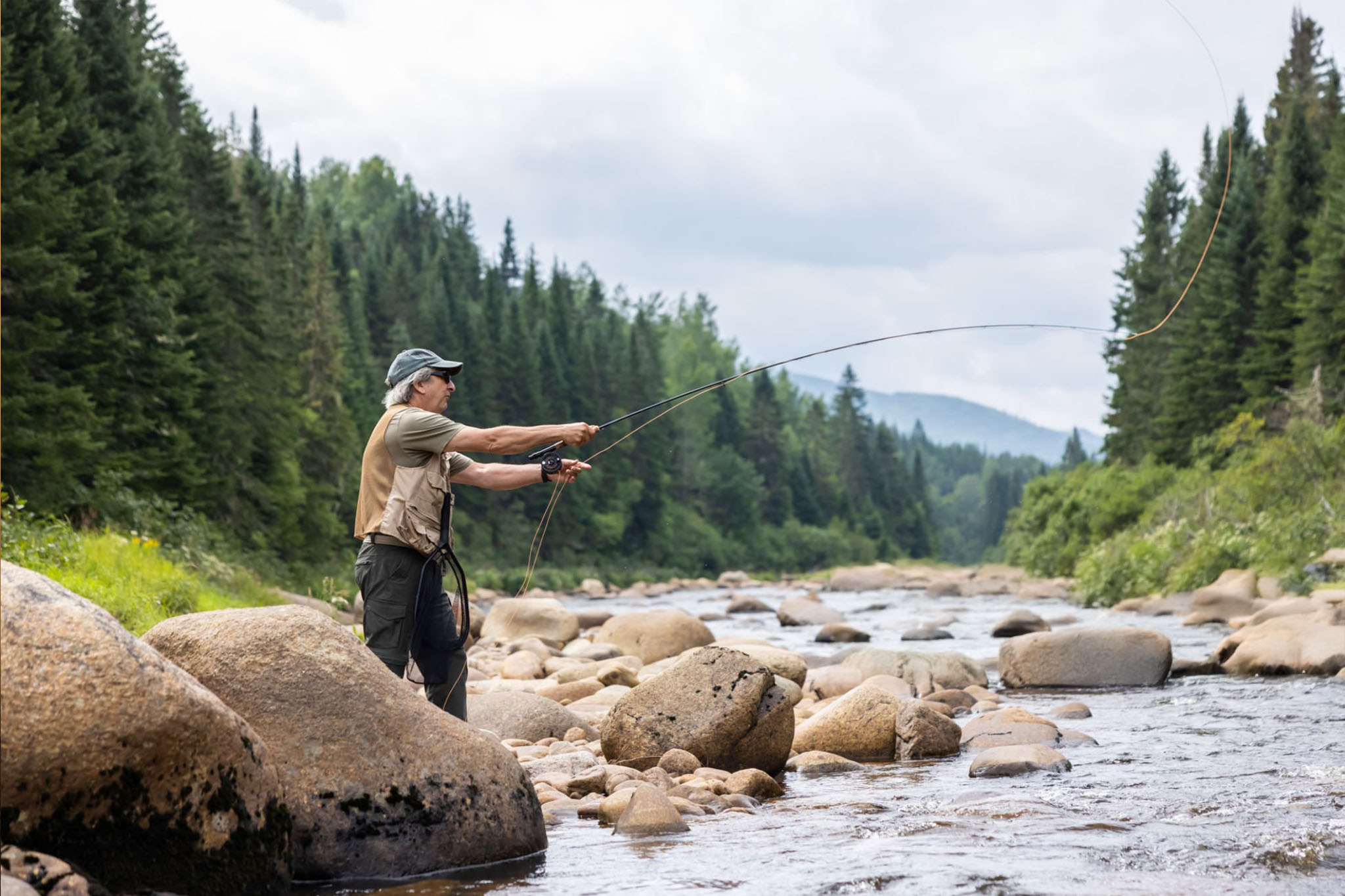
- 🐟 Fishing, boating, or dock work
- 🌱 Outdoor chores or gardening
- 🧽 Power-washing, detailing, or cleaning jobs
- 🚚 Rainy day hauling or driving
Then deck boots should be your go-to.
🧭 Final Verdict: Choose Smarter, Not Just Tougher
Work boots have their place—on dry sites, heavy builds, or rocky terrain. But when it comes to wet, messy, or unpredictable ground, deck boots offer waterproof protection, better traction, and easier use.
Still lacing up those clunky boots on a rainy morning?
It’s time to upgrade.
👉 Shop the top-rated deck boots now on deckboots.shop and get the gear that actually works with the weather, not against it.