

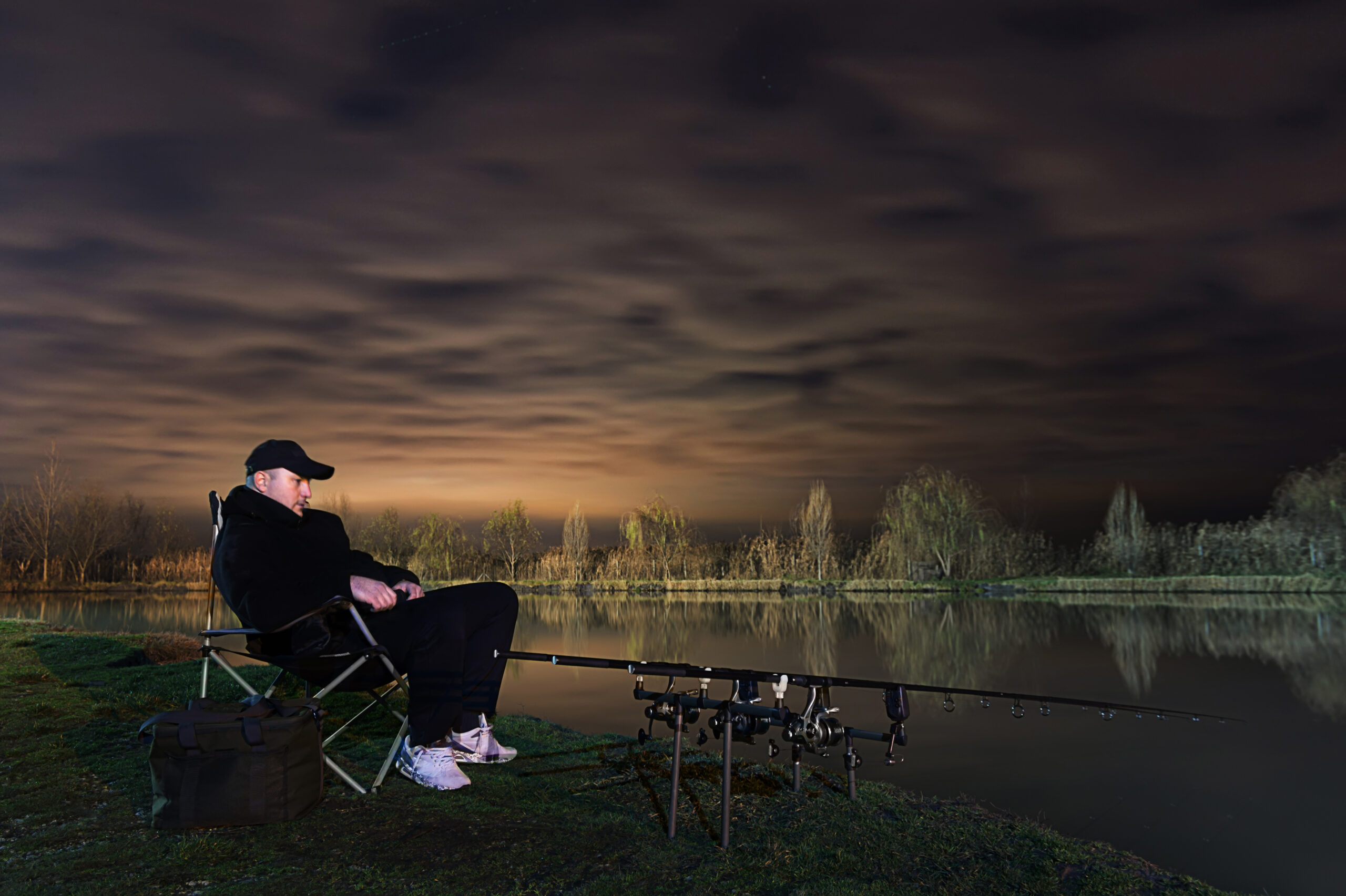
When the sun dips below the horizon and the summer heat finally breaks, the real action on the water often begins. Night fishing isn’t just a way to beat the heat — it’s one of the best-kept secrets for landing big bass, catfish, and walleyes during the warmer months. But fishing after dark requires a different approach than daytime angling. If you want to capitalize on those hot summer night bites, here’s everything you need to know.
1. Why Night Fishing Works
During summer, fish — especially big, wary ones — often become less active during the day because of the bright sun and warm surface temperatures. At night, cooler water temps and lower light levels make them more comfortable moving into shallower areas to feed aggressively. Plus, the reduced boat traffic and noise give predators the edge they need to hunt freely.
Bottom line: Nighttime is prime time for targeting trophy fish that might otherwise stay hidden.
2. Gear Up for the Dark
Night fishing demands a little more preparation to stay safe and successful.
- Lights:
Headlamps (preferably with a red-light setting to preserve your night vision) are a must. Bring extra batteries. Use a blacklight or UV light if you’re using fluorescent line — it makes your line glow and helps detect subtle bites. - Rods and Reels:
Stick with setups you’re familiar with. Now’s not the time to try a new baitcaster if you’re not 100% confident. Smooth, reliable gear minimizes problems when visibility is low. - Line Choice:
Monofilament or braided line with high visibility colors is ideal. Being able to track your line movement is critical. - Safety Equipment:
Always wear a life jacket, even if you’re an experienced angler. Keep your boat organized — a clean deck reduces the risk of tripping or accidents in the dark.
3. Choose the Right Lures
Fish rely more heavily on senses like vibration and sound at night, so your lure selection needs to reflect that.
- Topwater Plugs:
Big, loud topwater baits like buzzbaits, jitterbugs, or prop baits can draw monster strikes after dark. A steady retrieve that creates surface commotion gets attention fast. - Dark-Colored Soft Plastics:
Black, blue, and purple plastics actually silhouette better against the night sky when viewed from below. Try large worms, creature baits, or bulky jigs. - Spinnerbaits:
Slow-rolling a spinnerbait with a single large Colorado blade produces lots of thump and flash — exactly what nighttime predators are looking for.
Pro Tip: Focus on baits that create noise, vibration, or strong water displacement. Sight-feeding is secondary at night.
4. Focus on Key Locations
At night, you don’t need to cover massive amounts of water. Instead, target high-probability areas where fish move to feed:
- Shallow Flats Adjacent to Deep Water:
Bass and walleyes often move up to feed under the cover of darkness. - Points and Humps:
Ambush points where fish can trap bait against structure. - Riprap and Dock Lights:
Lights attract baitfish, which attract predators. Fishing around marina lights or dock lights can be incredibly productive. - Weed Edges and Submerged Vegetation:
Fish use these as highways to hunt at night.
Move quietly: Sound travels farther over water at night, and fish are more aware of unnatural noise.
5. Perfect Your Night Fishing Presentation
- Slower Is Better:
Fish are often less willing to chase a fast-moving bait at night. Slow your retrieve, and be patient. - Listen Carefully:
Pay attention to splashes, pops, or subtle disturbances that signal feeding fish nearby. - Set the Hook by Feel:
Sometimes you won’t see the strike — you’ll feel a sudden weight or your rod load up. Trust your instincts and set the hook firmly.
6. Stay Comfortable and Safe
Night fishing can quickly turn uncomfortable without the right prep:
- Dress for Temperature Swings:
Even after a 90-degree day, nights can cool off fast, especially near water. Bring a light jacket or hoodie. - Bug Repellent:
Mosquitoes and gnats love warm, humid nights. Don’t forget a good spray — or better yet, a ThermaCELL. - Stay Hydrated and Bring Snacks:
It’s easy to forget to drink water when the sun’s down, but dehydration is still a risk. - Know the Water:
Pre-scout your fishing area during daylight if possible to avoid hazards like stumps, sandbars, or submerged structures.
Final Thoughts: Own the Night
Night fishing isn’t just a fun novelty — it’s a strategic move to catch bigger, smarter fish during the tough summer months. By preparing properly, choosing the right gear and lures, and focusing on smart locations, you can turn summer nights into some of your most productive fishing trips of the year.
Light up your headlamp, trust your instincts, and get ready for some unforgettable after-dark action. The night bites are heating up — and they’re waiting for you.