


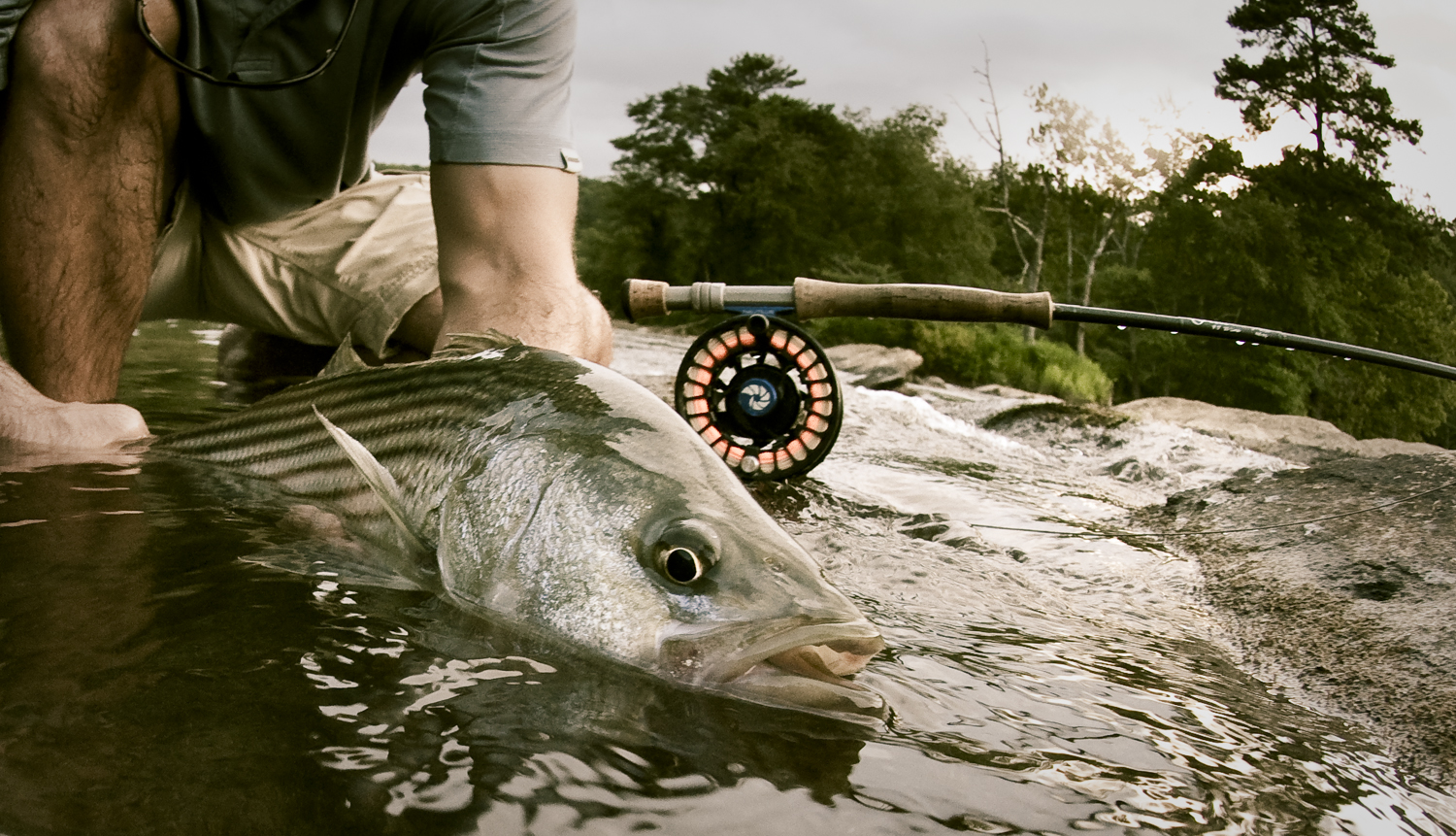
As spring winds down and summer edges closer, bass anglers across the country know it’s crunch time. Water temperatures are climbing, spawning is wrapping up, and the big bass—those elusive lunkers—are still shallow enough to be caught before they slide into deeper, summer-mode patterns.
Late spring might just be your last, best chance to hook a trophy. Here’s how to dial in your tactics, read the water, and put a few true giants in the boat before the heat drives them deep.
🎯 Understand the Late Spring Shift
During the late spring period, bass behavior is transitional. Depending on your region, you’ll find:
- Post-spawn bass: These fish are tired, hungry, and protective. They’ll hang around their beds or nearby cover.
- Late spawners: Especially in northern waters, some bass may still be spawning—target them with precision and patience.
- Aggressive feeders: As water temps stabilize in the upper 60s to low 70s, baitfish activity explodes, and bass are feeding up before summer.
Key takeaway: Not all bass are doing the same thing. Target multiple patterns until you dial in what the lunkers are up to in your lake.
🗺️ Where to Look for Late Spring Bass
This time of year, location is everything. Focus on areas that combine shallow warmth with quick access to deeper water:
- Secondary points: Perfect ambush zones for post-spawn bass heading out.
- Creek arms and coves: Still hold lingering spawners and plenty of forage.
- Weed edges and submerged timber: Prime structure for recovering fish looking to rest and eat.
- Shady spots with cover: Don’t overlook laydowns, docks, or overhanging limbs—especially on sunny afternoons.
🎣 Lures That Lunkers Can’t Resist
You need baits that match the mood—slightly aggressive, but still natural. Here’s what works best:
1. Weightless Soft Plastics (Senko, Fluke)
- Ideal for post-spawn fish hovering near beds or cover.
- Let them fall slowly on slack line near cover or structure.
- Twitch them gently—let the bass come to you.
2. Topwater Walkers and Poppers
- Great for low-light or overcast days.
- Walking-style baits like the Zara Spook can call up giants from submerged brush.
- Early mornings and late evenings = prime time.
3. Jigs and Creature Baits
- Pitch to stumps, brush piles, and docks.
- Use slower retrieves with a few hops and pauses.
- Go with natural colors like green pumpkin, watermelon, or black/blue.
4. Crankbaits
- Mid-depth crankbaits are killer over points and rock piles.
- A stop-and-go retrieve often triggers reaction bites from stubborn fish.
🕓 Timing Is Everything
As temps start rising, fish activity becomes more time-sensitive. The best windows are:
- Early morning: When water is coolest and bass are most active.
- Late afternoon/evening: As the sun dips, shadows grow and baitfish start moving.
- Avoid high noon: Unless you’re working shade or flipping under docks, it’s often a grind.
🧠 Smart Moves to Stay Ahead of the Summer Slump
Here’s how to beat the rush before summer patterns take over:
- Use your electronics to spot suspended fish or schools of bait.
- Fish faster in warmer water, but don’t forget to slow down when targeting heavy cover.
- Downsize if the bite gets pressured—finesse tactics can out-fish big baits on calm days.
- Look for wind-blown banks: Wind stirs up bait and boosts oxygen, keeping fish active longer.
🧊 Don’t Forget About You
Late spring sun can be deceiving—hydrate, use sunscreen, and wear a lightweight long-sleeve shirt. The only thing worse than missing a bite is getting burned or dehydrated on a killer fishing day.
🎣 Final Word
Late spring bass fishing is a golden window—a sweet spot between spring chaos and summer sluggishness. The fish are still catchable, the pressure’s lower, and the chance at a personal best is real.
So pack your gear, scout those secondary points, and get on the water early. Because once the summer heat rolls in, the bite gets tougher—and the lunkers go deep.
This is your time. Don’t miss it.