

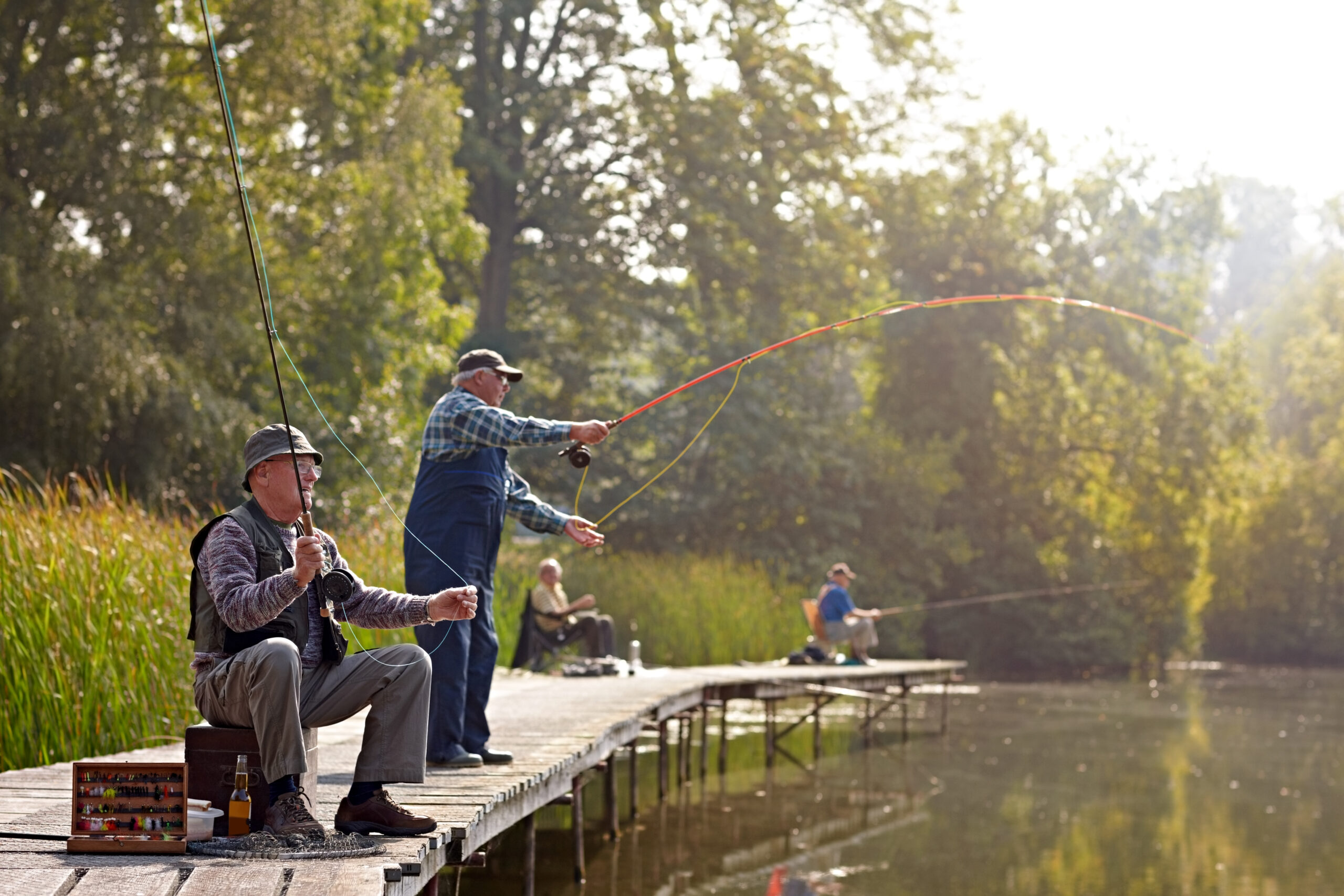
As winter fades and the ice thaws, early spring signals the beginning of a new fishing season. While the water remains cold, fish are slowly emerging from their winter lethargy, becoming more active and feeding in preparation for the spawning season. However, early spring fishing presents unique challenges—unpredictable weather, fluctuating water temperatures, and sluggish fish. To maximize your chances of success, understanding fish behavior, selecting the right locations, and using effective techniques are crucial.
This guide will walk you through the essentials of early spring fishing, from identifying prime fishing spots to choosing the best baits and presentations for triggering the first active bites of the season.
1. Understanding Fish Behavior in Early Spring
During early spring, fish metabolism is still slow due to cold water temperatures. This means they won’t chase fast-moving lures or aggressively strike at bait like they do in warmer months. Instead, they look for easy meals with minimal effort.
Key behavioral traits of fish in early spring:
✔ Sluggish movement – Fish won’t expend too much energy chasing prey.
✔ Transitioning habitats – Fish move from deep wintering holes toward shallower feeding areas.
✔ Selective feeding – They prefer smaller, slow-moving prey that requires little energy to catch.
To be successful, your approach must match their behavior—think slow, subtle, and strategic.
2. Finding the Best Early Spring Fishing Spots
Early spring fishing success largely depends on location. As temperatures slowly rise, fish shift from deep wintering holes to shallower areas where the sun warms the water.
A. Shallow Flats Near Deep Water
🔹 These areas warm up first and attract baitfish, which in turn attract predators like bass, walleye, and pike.
🔹 Look for mud-bottomed flats—they retain heat better than rocky or sandy areas.
B. Rocky Shorelines and Riprap
🔹 Rocks absorb sunlight and transfer warmth to the surrounding water.
🔹 These areas often hold early-season smallmouth bass, perch, and crappie.
C. Creek Mouths and Incoming Water
🔹 Runoff from spring rains brings fresh nutrients and food into the lake or river.
🔹 Predatory fish will stage near creek mouths to feed on baitfish being washed in.
D. Docks, Bridges, and Wood Structure
🔹 These structures warm up faster than open water and provide cover.
🔹 Panfish like bluegill and crappie often congregate around submerged wood.
3. Best Lures and Baits for Early Spring Fishing
Because fish are still sluggish, choosing the right bait and presentation is critical. Slower, more finesse-based techniques tend to outperform fast, aggressive retrieves.
A. Soft Plastics: Finesse Over Flash
🐟 Ned Rigs – Small, subtle, and easy for bass to inhale.
🐟 Drop Shots – Perfect for cold, clear water situations where fish suspend.
🐟 Small Paddle-Tail Swimbaits – Mimic lethargic baitfish, best fished on a slow retrieve.
B. Jerkbaits: Slow, Suspended, and Deadly
🎣 A suspending jerkbait worked with long pauses is a must-have for early spring bass and walleye.
🎣 Fish won’t aggressively chase, but they’ll strike a jerkbait that sits motionless in front of them.
C. Live Bait: Natural and Effective
🐟 Minnows – A top choice for crappie, walleye, and perch.
🦐 Nightcrawlers – Work well for a variety of species, including trout and bass.
🦐 Waxworms – Excellent for panfish like bluegill and perch.
D. Blade Baits and Jigs: Subtle Flash for Cold Water
🎣 Blade Baits – A slight vibration mimics dying baitfish and works well in deep water.
🎣 Hair Jigs – A slow drag across the bottom is highly effective for lethargic fish.
4. Timing Your Fishing for Maximum Success
Early spring fishing is all about timing. Since water temperature is the key factor influencing fish activity, knowing when to fish can make a huge difference.
A. Time of Day
☀ Late Morning to Afternoon – The best time to fish, as the sun has warmed the water.
☀ Avoid Early Mornings – The water is usually at its coldest, making fish less active.
B. Weather Conditions
🌤 Sunny Days – Fish move into the shallows as sunlight warms the water.
🌧 Overcast or Rainy Days – Fish may stay deeper, but feeding activity can increase.
🌬 Stable Weather Patterns – Fish are more active after several days of consistent weather.
5. Adapting to Unpredictable Early Spring Conditions
Spring weather can be highly unpredictable, and conditions can change daily. Being adaptable is key to success.
🔹 Cold Fronts: Fish become more lethargic—slow down your presentation.
🔹 Rising Water Levels: Fish move to new areas—focus on fresh cover and structure.
🔹 Windy Conditions: Push baitfish to wind-blown shorelines—fish these areas.
Keeping track of water temperature, weather trends, and fish movement will help you make the right adjustments.
6. Essential Gear for Early Spring Fishing
Having the right equipment ensures you’re prepared for unpredictable conditions.
🎣 Rods & Reels: Medium-light to medium-action rods for finesse techniques.
🎣 Line Choice: Use fluorocarbon for finesse presentations and braid with a leader for jerkbaits.
🎣 Clothing: Layer up! Spring mornings can be cold, but afternoons warm up quickly.
🎣 Polarized Sunglasses: Help you spot fish in shallow water.
Final Thoughts: Be Patient, Stay Flexible, and Enjoy the Season
Early spring fishing is about patience and precision. Fish are transitioning from winter to pre-spawn patterns, and their feeding habits can be unpredictable. By focusing on the right locations, using slow and finesse-based techniques, and adapting to changing weather conditions, you’ll greatly improve your chances of success.
The first bites of the season are always the most rewarding. With the right strategy, you’ll be well on your way to a productive and exciting early spring fishing experience. 🎣💦