

Early spring fishing presents its own unique challenges and opportunities. While sunny days might seem ideal for a day on the water, seasoned anglers know that overcast days are often the most productive. The muted light and stable weather conditions that come with cloudy skies create an environment where fish feel more comfortable and are more likely to feed actively.
Understanding how cloud cover affects fish behavior, water temperature, and visibility can help you refine your fishing strategy and increase your success rate. In this article, we’ll dive into why overcast days are so effective for early spring fishing, the best techniques to use, and how to adjust your gear and approach to maximize your chances of landing a trophy catch.
1. Why Cloudy Skies Are Ideal for Early Spring Fishing
Overcast days alter the underwater environment in several important ways, influencing how fish behave and respond to lures.
✅ Reduced Light Penetration
- Bright sunlight can penetrate the water column and make fish more cautious, driving them toward deeper cover.
- On cloudy days, the diffused light makes fish feel less exposed and more secure, encouraging them to move into shallower water to feed.
- Reduced visibility also makes it harder for fish to spot line or imperfections in your lure presentation, increasing the chances of a strike.
✅ More Active Feeding Behavior
- Fish tend to be more active and aggressive under cloudy skies because they feel less vulnerable to predators.
- Overcast conditions create a consistent level of light throughout the day, which helps fish feel more comfortable staying out of cover for longer periods.
- Predator fish, like bass and walleye, are more willing to chase down bait when they don’t have to worry about exposure from above.
✅ Lower Water Temperatures Stay Stable
- Early spring waters are still cold, and sudden bursts of sunlight can cause rapid temperature changes, making fish sluggish.
- Cloud cover prevents sudden spikes in water temperature, creating a more stable environment where fish can maintain consistent activity levels.
👉 The combination of reduced light, increased security, and stable water temperatures makes cloudy days ideal for targeting both shallow and mid-depth fish.
2. Where to Fish on Cloudy Early Spring Days
Knowing where fish are likely to hold under overcast conditions gives you a significant advantage. Fish tend to behave differently on cloudy days than on bright, sunny ones.
✅ Shallow Flats and Shorelines
- On sunny days, fish tend to stick to deeper water or cover.
- On cloudy days, they are more likely to move into shallow flats and shorelines to search for food.
- Look for sandy or gravelly bottoms near drop-offs where fish can easily transition between feeding and resting zones.
✅ Points and Rocky Structures
- Rocky areas retain heat and attract baitfish, which in turn attract predator fish.
- Overcast skies make fish more comfortable hanging out in these open areas.
- Slow-rolling a crankbait or working a jig along rocky points can produce consistent bites.
✅ Creeks and Inflow Areas
- Early spring rains often create runoff, washing nutrients and baitfish into creeks and inlets.
- Fish naturally position themselves near these inflows to take advantage of the easy food source.
- Work the edges of these areas with soft plastics or jerkbaits.
✅ Weed Beds and Vegetation
- Even in early spring, patches of underwater vegetation start to grow.
- Cloudy conditions make fish more confident moving through these weedy areas to ambush prey.
- Target pockets within the vegetation using weedless rigs or spinnerbaits.
3. Best Lures and Presentations for Overcast Conditions
Fishing on cloudy days requires adjusting your lure selection and presentation to match the lower light and increased fish activity levels.
✅ 1. Spinnerbaits and Chatterbaits
- The vibration and flash of spinnerbaits and chatterbaits make them easy for fish to detect in low-light conditions.
- Choose darker colors like black, blue, or chartreuse for better visibility.
- A slow, steady retrieve works best—let the vibration do the work.
✅ 2. Jerkbaits and Crankbaits
- Jerkbaits that suspend in the water column work well when fish are holding in mid-depths.
- Crankbaits with a wider wobble are easier for fish to track in cloudy water.
- Experiment with retrieval speeds—sometimes a stop-and-go action triggers strikes.
✅ 3. Soft Plastics (Worms, Craws, and Tubes)
- Subtle presentations can still be effective on cloudy days.
- Use natural colors like green pumpkin or black and blue to match the darker conditions.
- Rig them weightless or on a jig head and work them slowly along the bottom.
✅ 4. Topwater Lures
- Cloudy skies can trigger surface activity, even in early spring.
- Walk-the-dog style lures or poppers can draw reaction strikes in calm water.
- Fish topwater early in the morning or late in the afternoon for the best action.
4. Timing and Conditions to Watch For
Not all cloudy days are created equal—knowing when to hit the water is key.
✅ Best Times to Fish on Overcast Days
- Mid-morning to early afternoon – Fish are more likely to feed aggressively as the water begins to warm up.
- Right before a storm – Low barometric pressure triggers increased fish activity.
- After a string of sunny days – Fish are more likely to move into shallow water when overcast skies follow a period of bright sun.
✅ Key Water Temperatures
- 40°F – 50°F – Fish are still sluggish but will bite on slower-moving presentations.
- 50°F – 60°F – Fish are entering pre-spawn mode and feeding more aggressively.
- Above 60°F – Fish become more territorial and active—reaction baits work better.
5. Gear Adjustments for Cloudy Days
Having the right setup makes a big difference when fishing under overcast skies.
✅ Rod and Reel Setup
- A medium-action rod is versatile enough for most presentations.
- Use a spinning reel for finesse techniques and a baitcaster for crankbaits and spinnerbaits.
✅ Line Choice
- Fluorocarbon works well for jerkbaits and crankbaits due to its sinking properties.
- Braided line offers strength and sensitivity when fishing near cover.
- Monofilament is ideal for topwater lures because it floats.
✅ Clothing and Comfort
- Cloudy days often come with cooler temps and possible drizzle—layer up with a waterproof jacket.
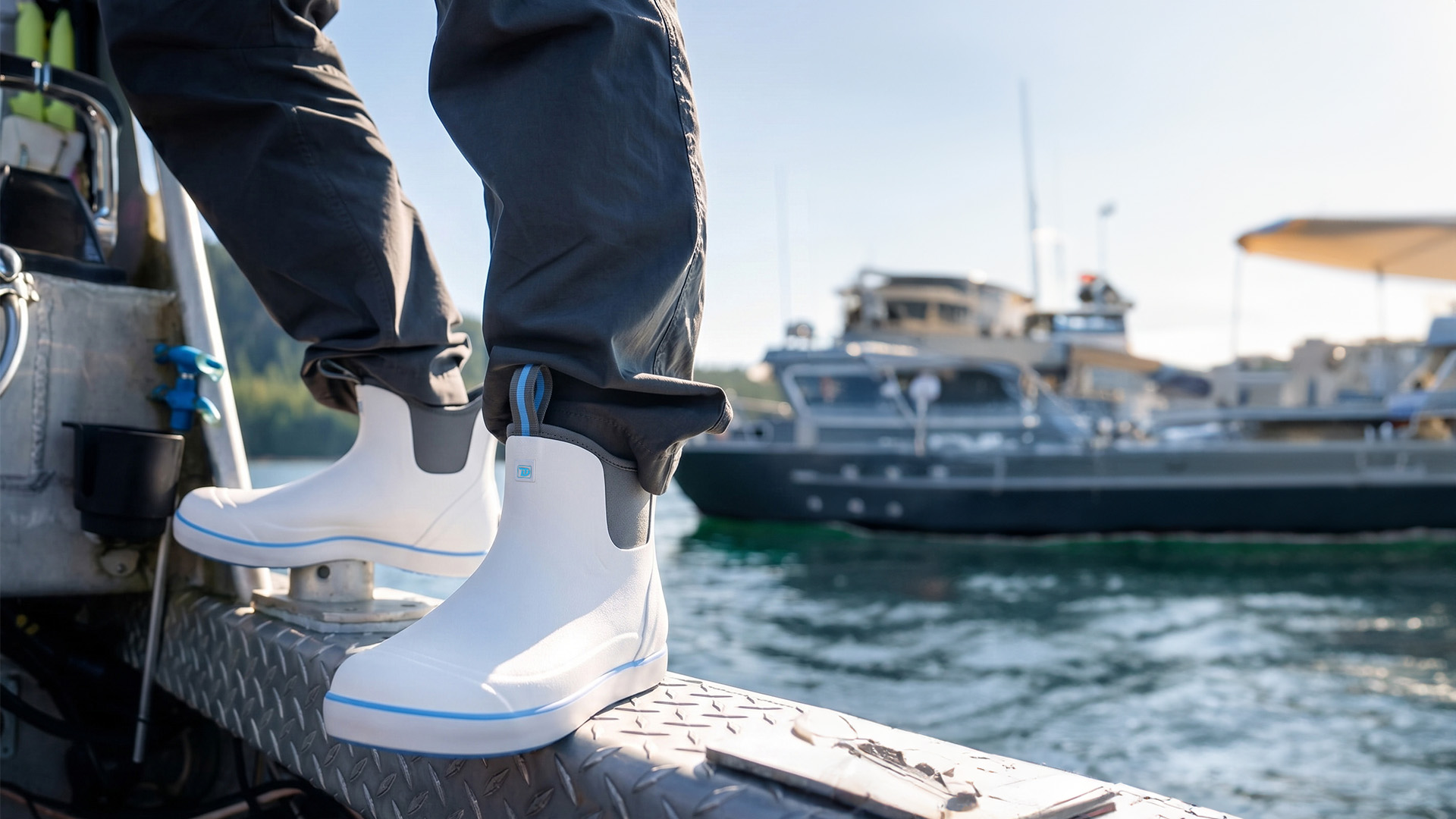
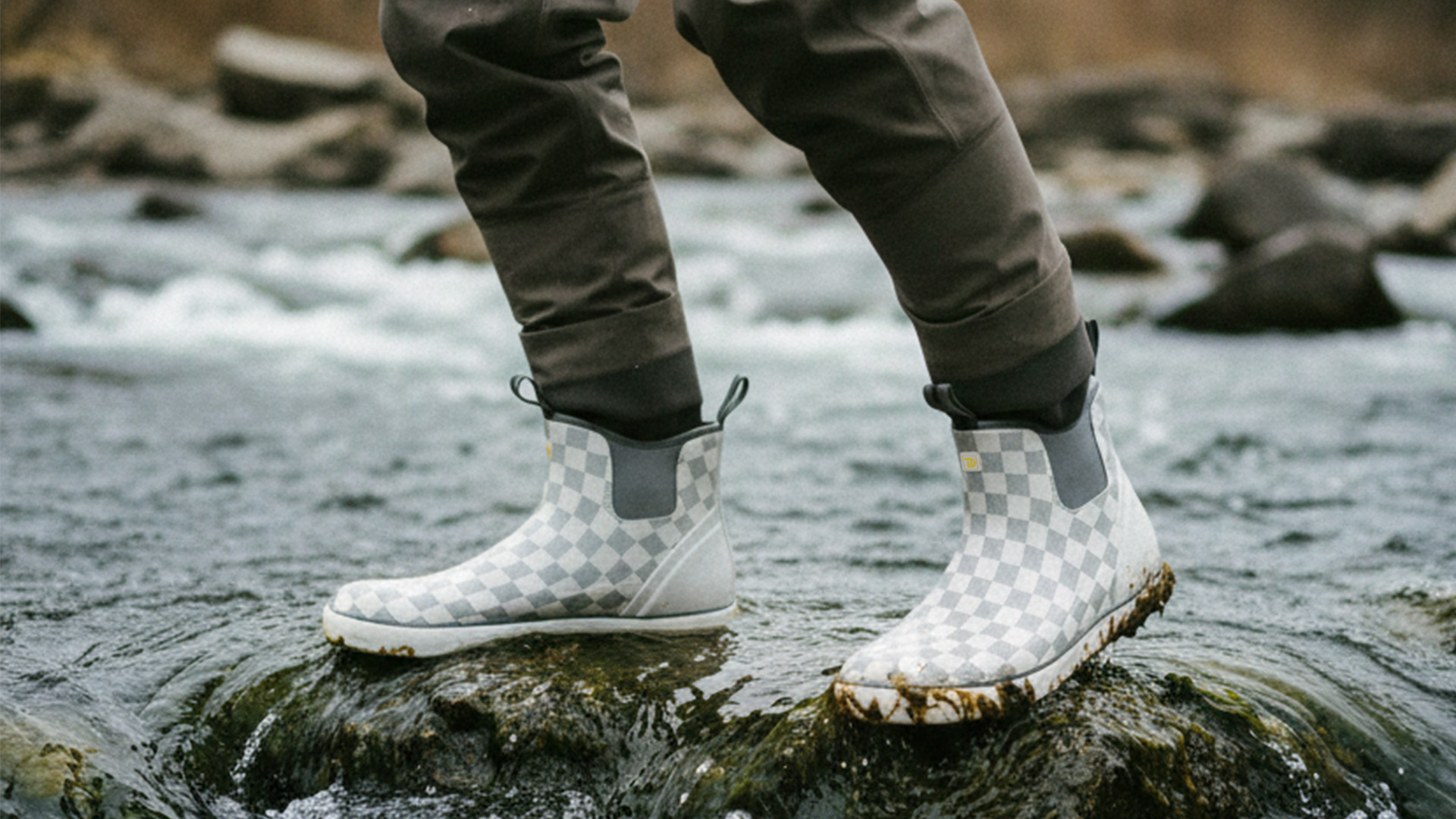
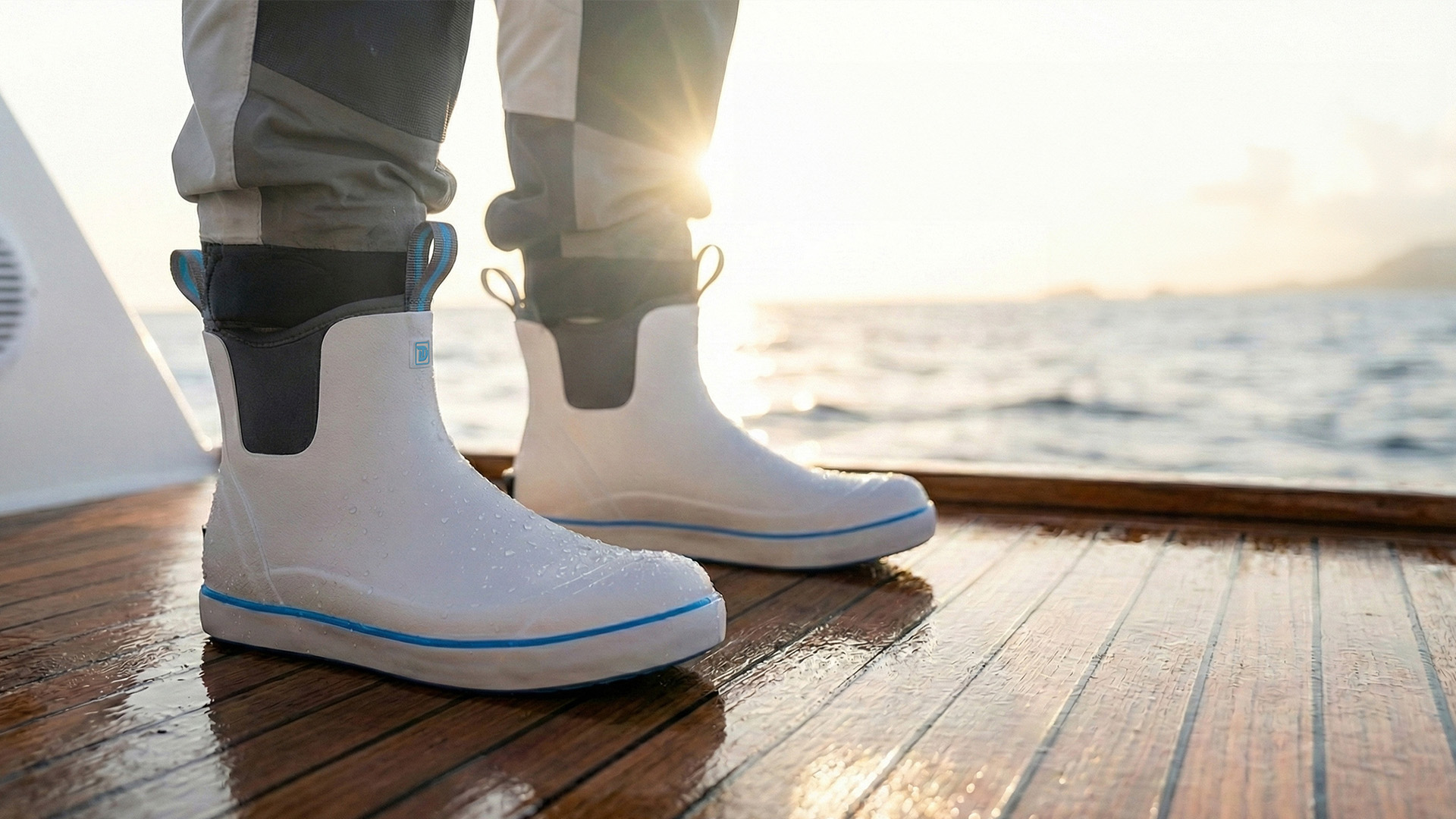
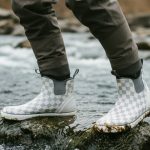
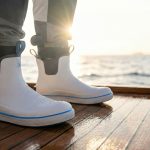
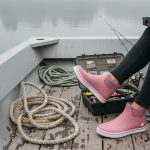
- Waterproof boots (like Hisea deck boots) are essential for staying dry and comfortable.
- Polarized sunglasses still help reduce glare and spot fish activity beneath the surface.
6. Common Mistakes to Avoid
❌ Using bright or flashy colors – On cloudy days, stick with darker, more natural tones.
❌ Fishing too deep – Fish are more likely to hold in shallower water under overcast skies.
❌ Moving too quickly – Slow down your presentation—let the fish track and commit to the lure.
❌ Ignoring structure – Fish still relate to cover and ambush points, even in low light.
🎯 Key Takeaways
✅ Overcast days provide consistent light and more comfortable feeding conditions for fish.
✅ Focus on shallow flats, rocky points, and creeks where fish are most active.
✅ Use darker-colored lures with vibration and flash for maximum visibility.
✅ Pay attention to water temperature and barometric pressure for the best bite windows.
Conclusion
While sunny days might seem more inviting, overcast skies often deliver better fishing conditions in early spring. Fish are more active, less cautious, and more willing to strike under cloud cover. By adjusting your approach to match the conditions, you can turn a gloomy day into a banner day on the water. So grab your gear, keep an eye on the weather, and make the most of those cloudy spring days—they might just lead to your best catch of the season! 🎣