
Introduction
Bowfishing is an adrenaline-pumping fusion of archery and fishing that has been growing in popularity across the United States. Unlike traditional rod-and-reel fishing, bowfishing allows you to hunt fish with a specially equipped bow, turning fishing into an active, engaging pursuit. Whether you’re stalking fish in the shallows of a river or shooting from a boat at night, bowfishing provides an exciting challenge and a great way to help control invasive fish species.
In this guide, we’ll cover everything you need to know about bowfishing—gear selection, techniques, the best places to bowfish, regulations, and tips for success.
1. What Is Bowfishing?
Bowfishing combines elements of hunting and fishing, requiring skill, patience, and precision. Instead of using a fishing pole, bowfishers use a compound bow or recurve bow outfitted with a bowfishing reel and a barbed arrow designed to penetrate and hold onto fish.
Bowfishing can be done in shallow waters from the shore, while wading, or from a boat, and is particularly popular in lakes, rivers, and coastal marshes.
2. Best Fish Species for Bowfishing
Bowfishing is mainly used to target non-game and invasive species, which often have few natural predators and can negatively impact local ecosystems. Here are some of the most commonly pursued fish:
1. Common Carp
- One of the most popular bowfishing targets.
- Found in lakes, rivers, and reservoirs across the U.S.
- Can grow well over 30 pounds, making for an exciting challenge.
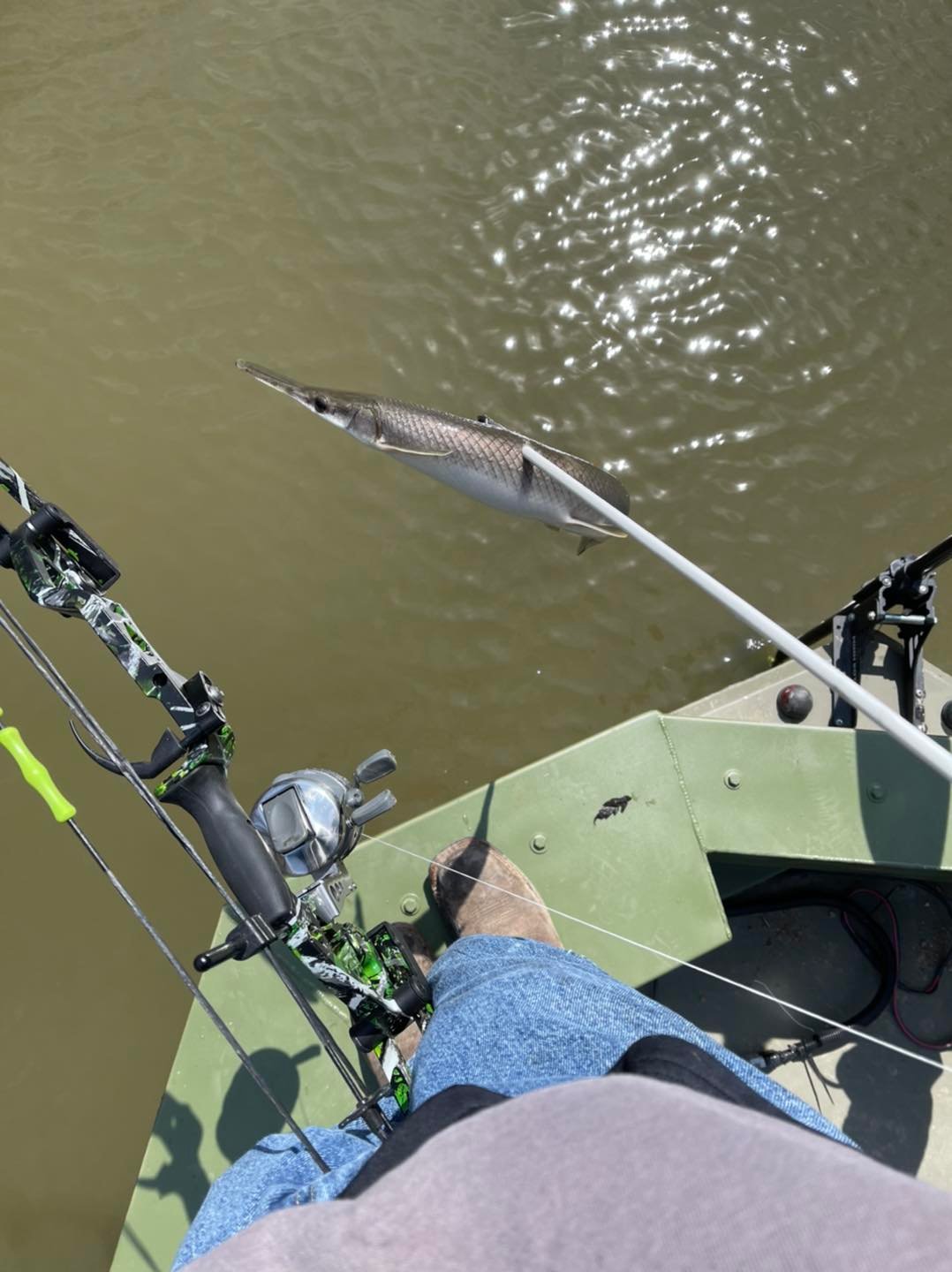
2. Gar
- Long, armored fish known for their prehistoric look.
- Commonly found in southern rivers and lakes.
- Hard scales make them tough, so you need strong arrows.
3. Catfish
- Some states allow bowfishing for catfish, but regulations vary.
- Found in slow-moving rivers and deep lake waters.
4. Tilapia
- An invasive species in many southern states.
- Typically found in warm waters and shallow areas.
5. Snakehead
- An aggressive, invasive fish that thrives in shallow waters.
- Known for its ability to breathe air and survive on land for short periods.
6. Suckers & Buffalo Fish
- Native species that are often overpopulated, making them a prime bowfishing target.
3. Essential Bowfishing Gear
To get started with bowfishing, you’ll need the right equipment. Here’s a breakdown of the essential gear:
Bow
- Recurve Bow: Simple and lightweight, great for beginners.
- Compound Bow: More powerful, adjustable draw weight, and better accuracy for experienced shooters.
- Bowfishing-Specific Bows: Designed with water-resistant finishes and built-in bowfishing reels.
Arrows
- Made of fiberglass, carbon, or aluminum for durability.
- Have barbed tips to prevent fish from slipping off.
- Do not require fletching (feathers) like hunting arrows.
Reels
- Hand Reel: Simple, manually wound reel attached to the bow.
- Bottle Reel: A popular choice, storing the line in a bottle for smooth shooting and retrieval.
- Spincast Reel: Functions like a fishing reel and allows for faster retrieval.
Other Accessories
- Polarized Sunglasses: Reduces glare and helps spot fish in the water.
- Gloves: Protects hands when handling arrows and fish.
- Finger Tabs or Shooting Gloves: Helps with grip and prevents finger strain.
- Bowfishing Lights: Essential for night bowfishing from a boat.
4. Best Locations for Bowfishing
Bowfishing can be done in a variety of water bodies, but some locations offer better opportunities than others.
Lakes & Reservoirs
- Great for carp, buffalo fish, and gar.
- Best areas: Shallow coves, weed beds, and feeder creeks.
Rivers & Streams
- Often have fast-moving fish and clearer water.
- Best areas: Slow-moving backwaters, gravel bars, and near dams.
Coastal Areas & Marshes
- Popular for saltwater bowfishing (rays, sheepshead, and mullet).
- Best areas: Shallow estuaries, tidal creeks, and mudflats.
5. Bowfishing Techniques
1. Spot-and-Stalk
- Walk along the shoreline or wade through shallow waters.
- Scan for fish movements and take well-aimed shots.
2. Boat Bowfishing
- One of the most popular methods, especially at night.
- Requires bright LED lights mounted on the boat to illuminate the water.
- Allows for covering more ground and accessing deeper waters.
3. Wading Bowfishing
- Done in shallow creeks or marshes.
- Requires stealth and patience, as fish can be easily spooked.
4. Understanding Refraction
- Water distorts the fish’s actual position. Always aim 6–8 inches below where you see the fish.
- The deeper the fish, the more you need to compensate for refraction.
6. Regulations & Ethics
Bowfishing regulations vary by state, so always check local laws before heading out.
✅ Fishing License: Most states require a valid fishing or bowfishing license.
✅ Legal Fish Species: Many game fish are protected, so ensure you’re only targeting legal species.
✅ Harvest Limits: Some states have limits on certain fish species.
✅ Disposing of Fish: Since most bowfishing targets are invasive, don’t release them back into the water. Some make great table fare, while others should be disposed of properly.
7. Tips for Bowfishing Success
- Scout Locations: Visit potential spots during the day to find fish activity.
- Be Patient: Fish move fast, so take your time aiming before shooting.
- Use a Strong Bow: A bow with a draw weight of 30–50 pounds is ideal for most bowfishing situations.
- Adjust for Water Conditions: Clear water is best for bowfishing, as murky water makes aiming difficult.
- Try Night Bowfishing: Many species are more active at night, and using high-powered boat lights can improve visibility.
8. Cooking & Using Your Catch
Many people don’t realize that bowfished species can be quite delicious! Here are a few ways to prepare your catch:
- Carp Tacos: Fillet, season, and pan-fry the meat before adding it to tacos.
- Gar Balls: Minced gar meat mixed with spices, battered, and fried.
- Buffalo Fish Steaks: Similar to salmon steaks, but require careful deboning.
For species like tilapia and catfish, grilling or frying are excellent choices.
Conclusion
Bowfishing is an exciting, skill-based outdoor sport that combines the precision of archery with the thrill of fishing. Whether you’re wading through shallow rivers or shooting from a boat under the stars, bowfishing offers a unique and challenging way to enjoy the water while helping to control invasive fish populations.
With the right gear, techniques, and knowledge, you can turn bowfishing into a lifelong passion. Grab your bow, hit the water, and experience the thrill of bowfishing firsthand!