



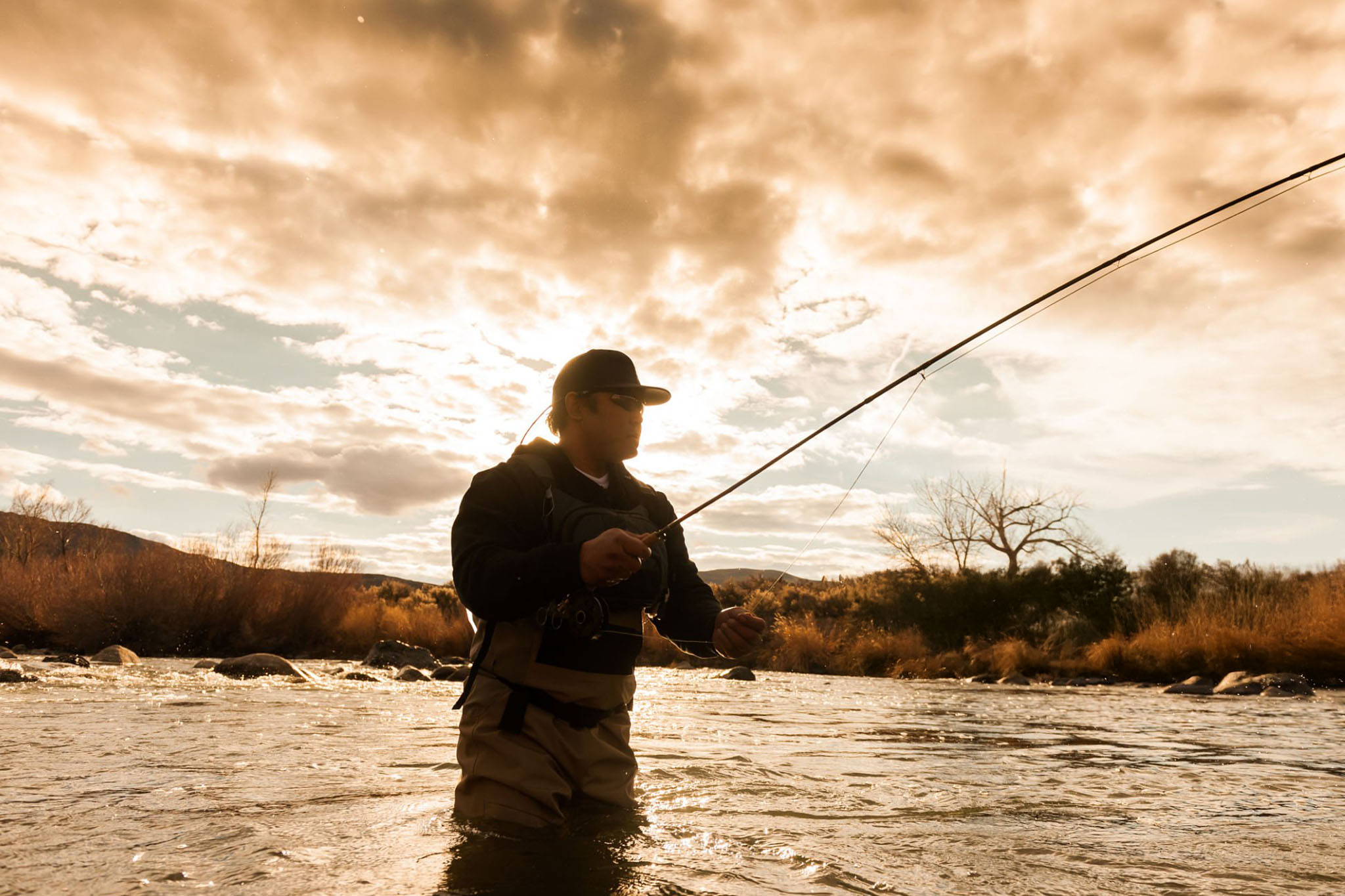
Late summer is one of the most challenging times of the year for anglers. Water temperatures peak, oxygen levels fluctuate, shallow vegetation begins deteriorating, and many traditional fishing spots suddenly stop producing. Fish that aggressively chased baits earlier in the season often become difficult to locate and even harder to trigger into feeding.
One pattern consistently emerges during these harsh summer conditions: fish begin favoring hard bottom areas.
Anglers who understand why predator fish shift toward gravel, rock, shell beds, clay transitions, and other hard-bottom zones during late summer gain a major advantage when the bite becomes inconsistent.
This movement is not random. Hard-bottom environments provide several hidden advantages that become increasingly important as summer stress intensifies.
What Is a Hard Bottom Area?
A hard bottom refers to underwater terrain made up of:
- Rock
- Gravel
- Shell beds
- Hard clay
- Compact sand
- Chunk rock transitions
These areas differ from softer bottom zones containing:
- Silt
- Muck
- Decaying vegetation
- Organic debris
In late summer, these differences become critically important to fish behavior.
Why Fish Leave Soft Bottom Areas During Late Summer
As summer progresses, many soft-bottom areas begin deteriorating environmentally.
Common problems include:
- Oxygen depletion
- Organic decay
- Increased algae growth
- Warmer stagnant water
- Excessive biological decomposition
These conditions make soft-bottom environments increasingly stressful for fish.
Why Hard Bottom Areas Become More Attractive
Hard-bottom environments often remain:
- Cleaner
- More oxygen-stable
- More thermally consistent
- Better for baitfish movement
- Easier for predator feeding efficiency
This creates natural late-summer gathering zones.
The Oxygen Advantage of Hard Bottom Structure
One of the biggest hidden reasons fish shift toward hard bottom is oxygen stability.
Soft-bottom areas:
- Trap decaying organic matter
- Consume oxygen during decomposition
- Hold stagnant water more easily
Meanwhile, hard-bottom zones typically:
- Circulate water more efficiently
- Support less decomposition
- Maintain cleaner environmental conditions
During late-summer heat, this difference becomes massive.
Why Baitfish Relocate to Hard Bottom
Predator fish rarely move alone.
Baitfish also shift toward:
- Gravel points
- Rock transitions
- Shell beds
- Hard underwater ridges
because these areas often provide:
- Better oxygen conditions
- Cleaner feeding environments
- More stable forage availability
Where bait concentrates, predator fish follow.
How Temperature Influences Hard Bottom Patterns
Many anglers assume hard bottom simply means hotter water because rocks absorb heat.
But underwater thermal behavior is more complex.
Hard-bottom zones often:
- Avoid excessive organic heat retention
- Maintain cleaner circulation
- Stabilize temperature changes more efficiently
Meanwhile, shallow muck-bottom areas can become biologically overheated and oxygen-poor much faster.
Why Crawfish Activity Increases on Hard Bottom
Late summer often creates strong crawfish-based feeding opportunities.
Crawfish prefer:
- Rock
- Gravel
- Shell
- Hard transition edges
Predator fish targeting crawfish naturally position near these environments.
This is especially important for:
- Bass
- Walleye
- Smallmouth
- Catfish in some systems
Hard Bottom Creates Better Feeding Efficiency
Fish conserve energy aggressively during extreme heat.
Hard-bottom areas improve feeding efficiency because:
- Prey becomes easier to trap
- Visibility often improves
- Current flow remains cleaner
- Ambush opportunities increase
Fish can feed effectively while expending less energy.
Key Hard Bottom Areas to Target
1. Gravel Points
Main-lake and secondary points with gravel transitions often hold:
- Baitfish
- Crawfish
- Suspended predators nearby
Especially where wind or current interacts with structure.
2. Shell Beds
Shell beds are major summer feeding zones because they:
- Hold oxygen well
- Attract forage species
- Create subtle depth irregularities
Many productive shell beds are almost invisible without electronics.
3. Rock-to-Mud Transitions
Transition zones often concentrate fish because:
- Environmental conditions change abruptly
- Feeding lanes become defined
- Baitfish funnel naturally through edges
4. Offshore Hard Spots
Even tiny hard-bottom patches offshore can become:
- High-percentage summer feeding zones
- Holding areas during tough conditions
Sometimes only a few feet of hard structure attract large concentrations of fish.
Why Current Improves Hard Bottom Areas Even More
When hard-bottom structure combines with current:
- Oxygen levels improve further
- Baitfish movement increases
- Feeding windows expand
Current may come from:
- Wind
- River flow
- Dam generation
- Subsurface movement
This combination often creates the best late-summer fishing conditions available.
How Fish Position on Hard Bottom During Summer
Fish rarely spread evenly across hard-bottom areas.
Instead, they often position:
- Along subtle depth changes
- Near isolated rock piles
- Beside shell ridges
- On current-facing edges
- Just off structure in suspended zones
Precise positioning matters greatly.
Best Presentations for Hard Bottom Summer Fish
Bottom-Contact Techniques
Hard-bottom fish often respond well to:
- Football jigs
- Carolina rigs
- Texas rigs
- Swing-head jigs
- Ned rigs
These presentations imitate natural bottom forage effectively.
Slow-Moving Presentations
Late-summer fish frequently prefer:
- Controlled movement
- Long pauses
- Subtle bottom contact
Aggressive retrieves often fail during peak heat.
Deep Cranking
When fish remain actively feeding:
- Deep-diving crankbaits can trigger reaction strikes
- Hard bottom deflections often activate fish
Rock contact becomes an important trigger.
Why Electronics Become Important
Hard-bottom areas are often subtle.
Modern sonar helps identify:
- Bottom composition changes
- Shell beds
- Rock transitions
- Suspended fish near hard structure
- Bait concentration zones
Even minor bottom differences can completely change fish positioning.
Common Mistakes Anglers Make
1. Fishing only visible structure
Many productive hard spots are offshore and invisible.
2. Ignoring bottom composition entirely
Depth alone rarely explains summer fish positioning.
3. Fishing soft vegetation too long during heat waves
Environmental quality often collapses there first.
4. Moving too quickly across hard-bottom zones
Summer fish may group tightly in small sections.
Real-World Scenario
An angler struggles through a brutal late-August reservoir bite.
Traditional areas show:
- Dying grass
- Stagnant water
- Minimal bait activity
After scanning offshore structure:
- A small gravel-and-shell transition appears near subtle current flow
- Baitfish suspend nearby
- Water clarity improves slightly over the hard bottom
The angler slows down with bottom-contact presentations and quickly locates:
- Multiple feeding bass
- Tight fish groupings along the hard transition edge
- Consistent activity despite harsh conditions
Why it worked: The angler targeted cleaner, oxygen-stable hard-bottom habitat instead of relying on deteriorating shallow cover.
Final Thoughts
Late-summer fish behavior is heavily influenced by environmental survival conditions. As soft-bottom areas lose oxygen, accumulate decay, and become thermally unstable, fish naturally shift toward cleaner, more efficient hard-bottom environments.
Rock, gravel, shell, and clay transitions provide:
- Better oxygen stability
- Improved feeding efficiency
- Stronger bait concentrations
- More predictable structure positioning
Anglers who recognize these environmental shifts gain a major advantage during the toughest part of the summer season.
Because when late-summer heat reaches its peak, successful fishing often depends less on finding “more structure” and more on finding the specific bottom conditions where fish can still feed comfortably and efficiently.