

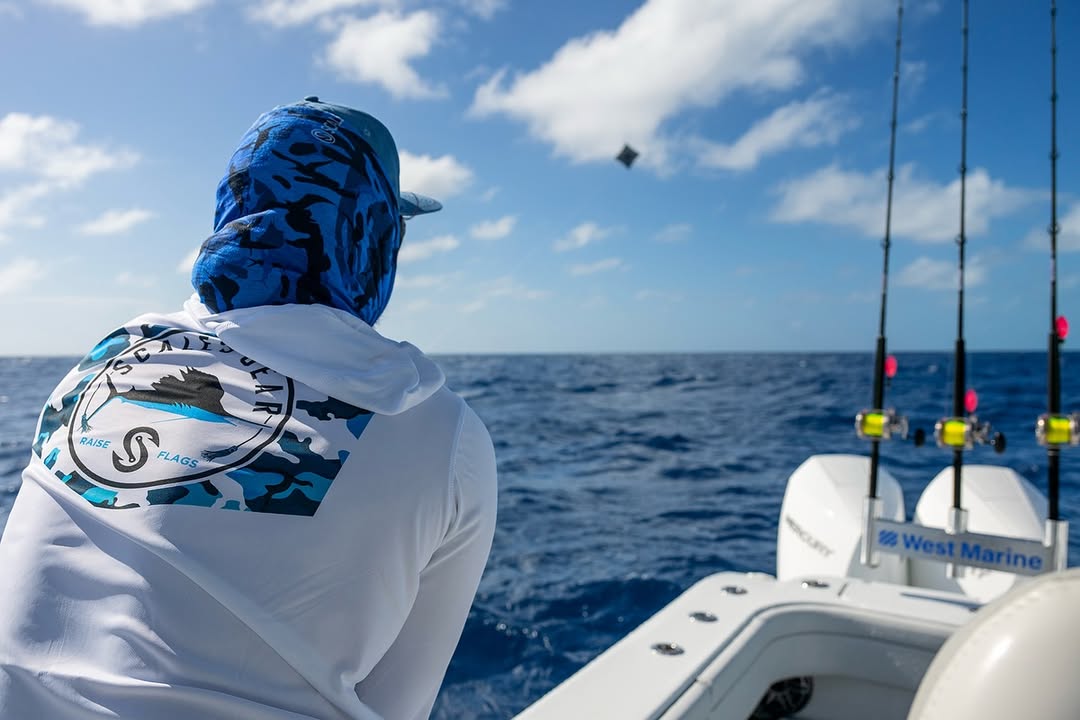
As late spring fades into early summer, one of the biggest challenges anglers face is inconsistency. Fish seem scattered one day and gone the next. The reality? They’re not disappearing—they’re transitioning.
The key to staying on fish during this seasonal shift is learning how to dial in depth zones. In early summer, fish don’t just move randomly—they adjust vertically based on temperature, oxygen, forage, and light conditions. Once you identify the correct depth range, your catch rate can increase dramatically.
Why Depth Becomes Critical in Early Summer
During spring, fish are often shallow due to spawning behavior. But as summer approaches:
- Water temperatures rise quickly in shallow areas
- Oxygen levels begin to stabilize at specific depths
- Baitfish relocate to more comfortable zones
- Fishing pressure pushes larger fish deeper or offshore
This creates defined depth zones where fish feel most comfortable.
Key Insight: In early summer, finding the right depth is often more important than finding the right structure.
Understanding the “Depth Transition Window”
Fish don’t jump from shallow to deep overnight. Instead, they move through a transition window, typically:
- From 2–6 feet (late spring)
- Into 6–15 feet (early summer transition)
- Then stabilizing at 10–25+ feet (depending on species and water body)
This range varies by:
- Region (North vs. South U.S.)
- Water clarity
- Lake or river structure
- Species behavior
Step 1: Start Shallow, Then Work Deeper
A common mistake is going too deep too fast.
Instead:
- Begin in known spring areas
- Gradually move outward or downward
- Track where bites begin to occur consistently
Pattern Rule:
👉 The depth where you get multiple bites = your starting zone
Step 2: Identify the “Active Depth Band”
Fish rarely spread evenly across all depths. They group within a specific vertical band.
For example:
- You may get no bites at 5 ft
- A few bites at 8 ft
- Consistent bites at 10–12 ft
- Then nothing again at 18 ft
That 10–12 ft range becomes your target depth zone.
Step 3: Match Structure to Depth
Once you find the right depth, locate structure within that range:
- Points that break into your target depth
- Drop-offs intersecting that zone
- Submerged humps topping out at that depth
- Weed lines ending within that band
Key Strategy:
Stop fishing random spots—only fish structure that intersects your depth zone.
Step 4: Follow the Baitfish
Predator fish rarely stray far from food.
Use electronics or observation to locate:
- Suspended bait schools
- Surface flickers or movement
- Birds feeding over water
If bait is holding at 12 feet, predators will likely be nearby.
Step 5: Adjust Throughout the Day
Depth zones are not static—they shift with conditions:
Morning
- Fish may move shallower to feed
- Target upper edge of your depth zone
Midday
- Fish settle deeper for stability
- Focus on lower edge of the zone
Evening
- Fish may rise again
- Re-check transitional depths
Key Factors That Influence Depth Positioning
1. Water Clarity
- Clear water: Fish go deeper (light penetration is higher)
- Stained water: Fish stay shallower
2. Sunlight and Cloud Cover
- Bright sun pushes fish deeper
- Cloud cover allows fish to roam higher in the water column
3. Thermocline Development
In many lakes, a thermocline forms in early summer:
- Above it: warmer, oxygen-rich
- Below it: cooler but often low oxygen
Fish will typically hold just above or around the thermocline.
4. Fishing Pressure
Heavily pressured fish:
- Move deeper
- Suspend more
- Become less aggressive
Best Techniques for Dialing in Depth
Search Baits (Finding the Zone)
- Crankbaits
- Swimbaits
- Spinnerbaits
These help locate active fish quickly.
Precision Baits (Exploiting the Zone)
- Drop shots
- Jigs
- Texas rigs
- Ned rigs
These allow you to stay in the strike zone longer.
Boat Positioning and Control
Positioning is critical when targeting depth:
- Stay off the structure, not on top of it
- Cast across depth transitions, not straight down
- Use markers or GPS to maintain accuracy
Common Mistakes to Avoid
1. Fishing Too Many Depths at Once
You lose pattern clarity.
2. Ignoring Depth Consistency
One bite at a depth means nothing—look for patterns.
3. Not Adjusting During the Day
Fish move vertically more than you think.
4. Overcomplicating Structure
Depth matters more than complexity during transitions.
Real-World Example
You’re fishing a lake in early June:
- No bites in 5–7 ft
- A few bites at 9 ft
- Multiple bites at 11–13 ft
Now you:
- Target all structures in 11–13 ft
- Ignore everything else
- Adjust lure depth precisely
Result: Consistent catches instead of random luck.
Final Thoughts
Dialing in depth zones is one of the most powerful skills in early summer fishing. While many anglers chase visible cover or random spots, experienced fishermen focus on where in the water column fish are living.
Once you find that depth, everything else—location, lure choice, presentation—becomes easier and more consistent.
Because in summer fishing, success isn’t about covering more water—
it’s about understanding where fish choose to live vertically.