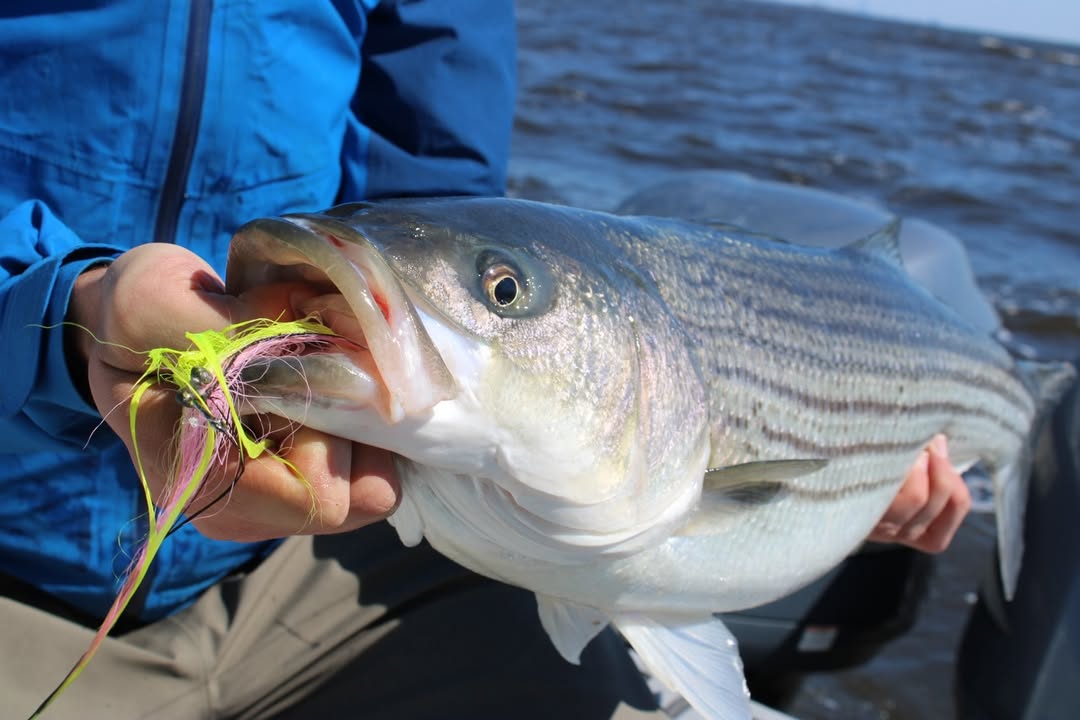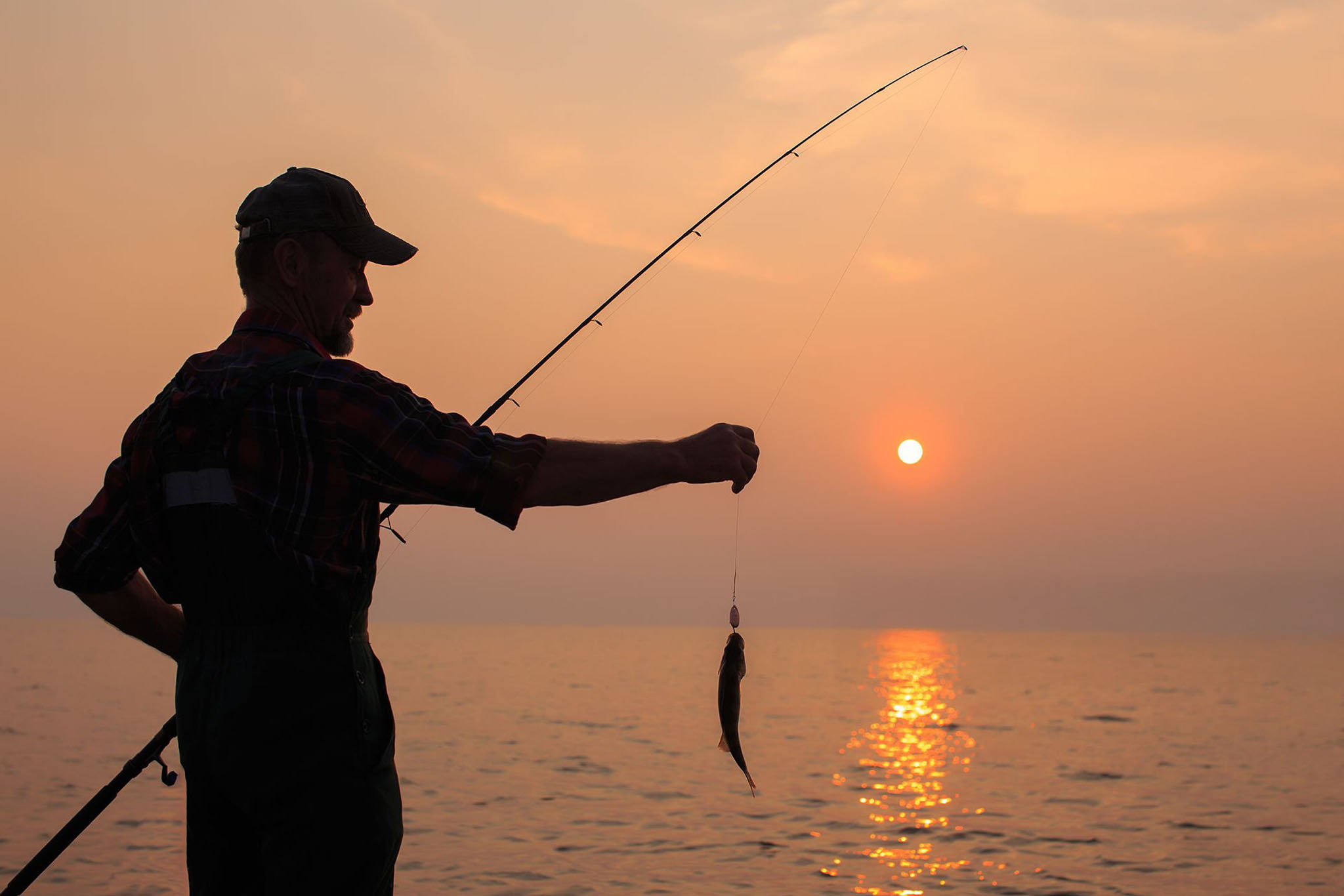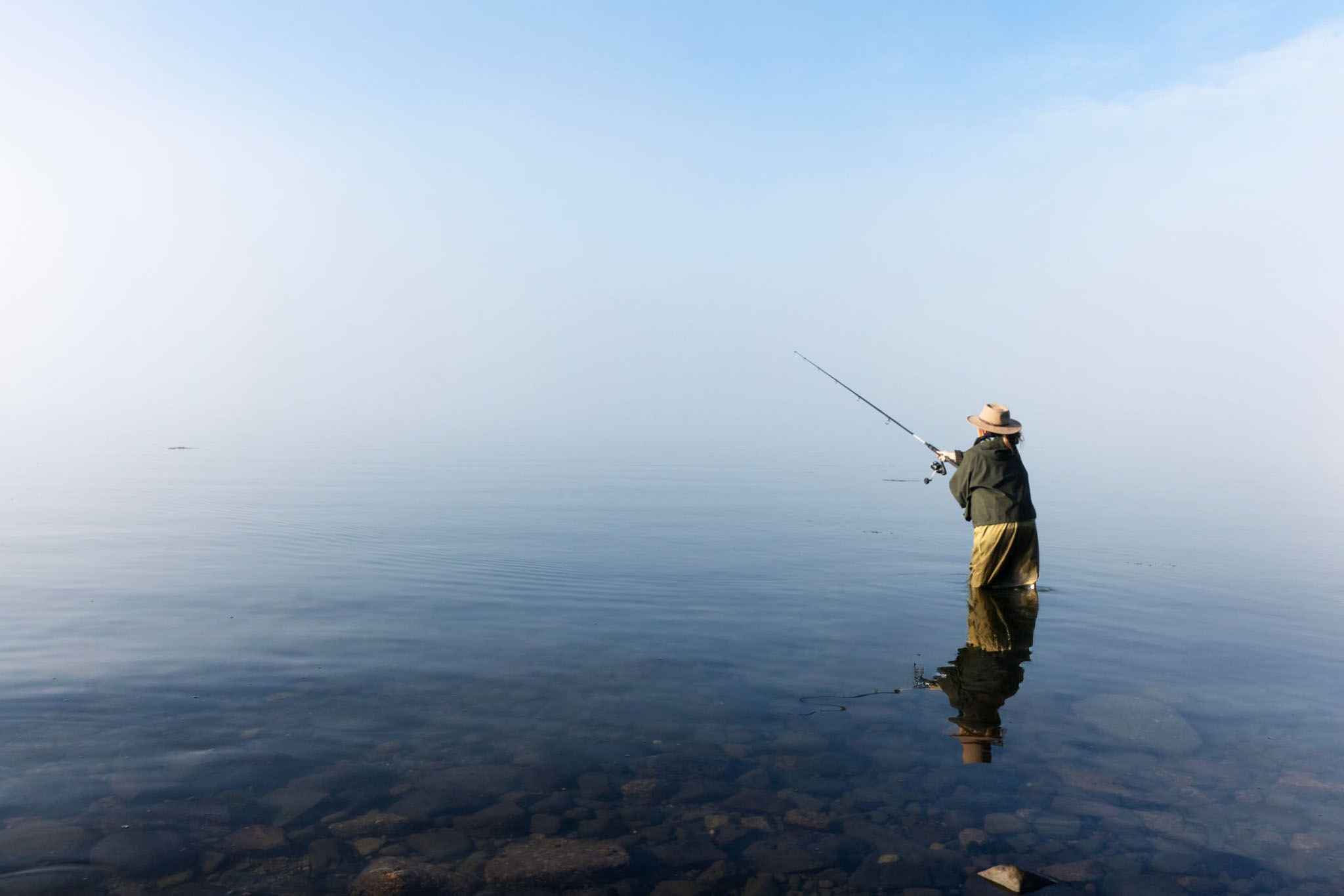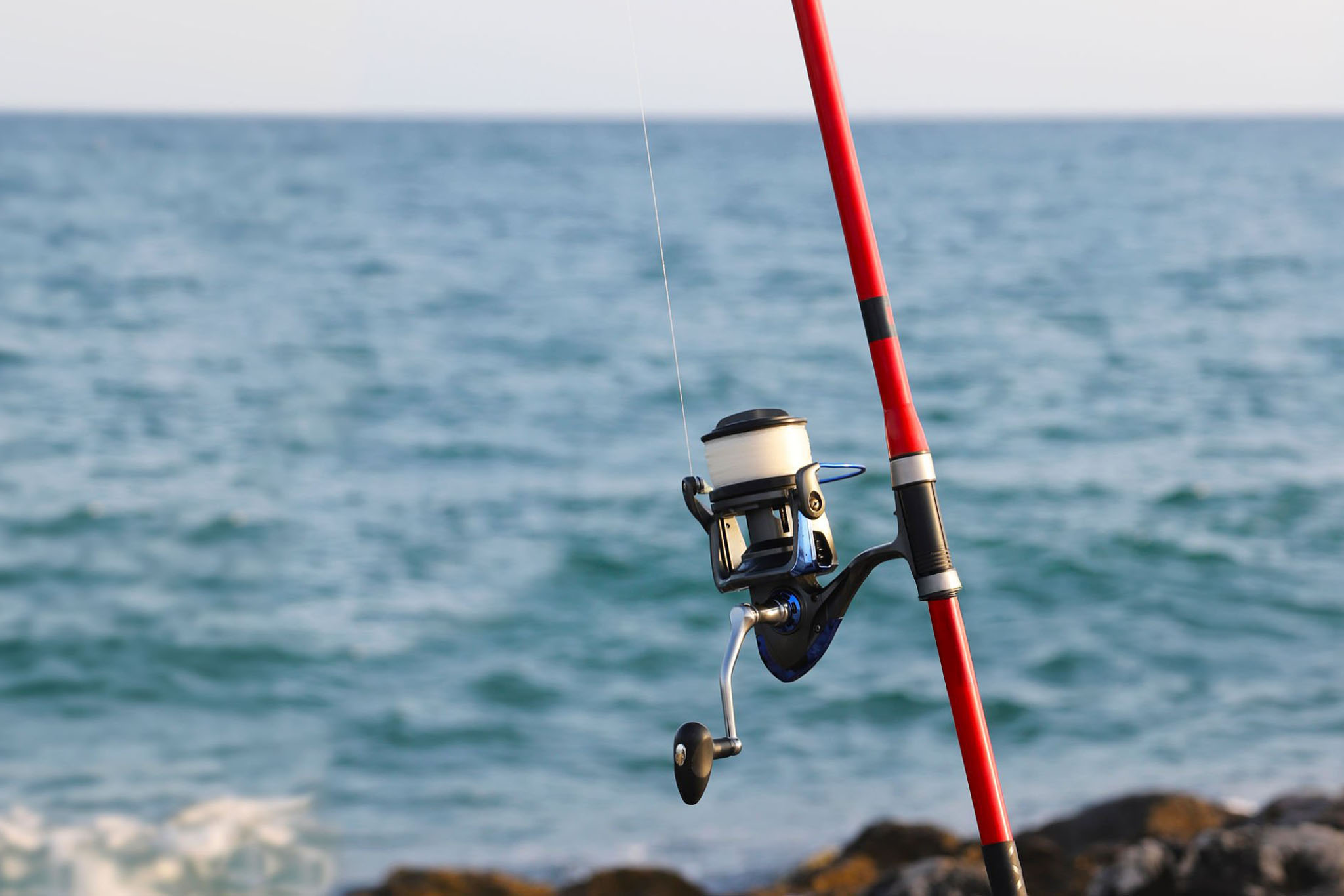

Every angler hits that stretch where nothing seems to work.
You’re fishing proven spots. You’re using confidence lures. You know fish are there.
But the results don’t match the effort.
Before you overhaul your entire setup, switch locations, or blame the conditions, consider this:
In many cases, one small adjustment—not a complete change—is all it takes to start catching again.
The key is identifying what actually matters most right now and making a precise correction.
1. Why Small Adjustments Matter More Than Big Changes
When fishing slows down, most anglers react by:
- Changing lures repeatedly
- Moving to new spots too quickly
- Fishing faster to “find active fish”
But during early summer and stable conditions:
- Fish are still present
- They’re often holding in predictable locations
- They’re just less willing to react
That means:
The problem usually isn’t location—it’s execution.
2. The One Adjustment That Changes Everything: Time in the Strike Zone
If there’s one factor that consistently turns slow days around, it’s this:
Keeping your bait in the strike zone longer.
When fish become less aggressive:
- They won’t chase far
- They won’t react instantly
- They need more time to commit
If your bait moves through too quickly:
- You miss the opportunity entirely
- Fish never get a chance to inspect and strike
3. What Happens When You Stay in the Zone Longer
Extending your time in the strike zone does three critical things:
1. Increases Visibility
Fish have more time to notice your bait.
2. Builds Confidence
A slower, natural presentation looks less threatening.
3. Triggers Delayed Reactions
Passive fish often strike after watching—not chasing.
Many bites happen seconds after most anglers have already moved their bait out.
4. How to Make This Adjustment Immediately
You don’t need new gear or a new location. Just refine how you fish.
Slow Down Your Retrieve
- Cut your speed in half
- Add pauses between movements
- Let the bait settle naturally
Reduce Cast Distance Slightly
- Focus on tighter, more precise targets
- Keep your bait in high-percentage zones longer
Work Structure Thoroughly
Instead of one cast:
- Make multiple casts from different angles
- Let the bait move slowly through key areas
Control Depth More Precisely
- Keep your lure at the exact depth fish are holding
- Avoid letting it rise or fall too quickly
Depth consistency + time = more opportunities.
5. Signs This Adjustment Is Working
Once you start keeping your bait in the strike zone longer, you’ll notice:
- More follows
- Light taps or subtle bites
- Increased interest without immediate strikes
These are all indicators that:
You’re finally fishing where—and how—the fish want.
From there, it’s just a matter of refining your presentation further.
6. Why Most Anglers Miss This Opportunity
The biggest reason anglers struggle is impatience.
- They move too quickly
- They abandon spots too soon
- They assume fish aren’t there
But in reality:
They’re simply not giving fish enough time to respond.
Fishing is often treated like a search problem—but in these conditions, it’s a timing and precision problem.
7. When This Adjustment Matters Most
This “stay in the zone longer” approach is especially effective when:
- Water temperatures are rising
- Conditions are stable
- Fish are holding tight to structure
- You’re seeing fish but not getting bites
In these situations:
Speed works against you—precision works for you.
8. Pairing This Adjustment With Better Timing
While presentation is critical, timing still matters.
To maximize results:
- Fish early morning or late evening
- Pay attention to subtle environmental changes
- Be ready during short feeding windows
When timing and presentation align:
Slow days can turn into productive sessions quickly.
9. The Mindset Shift That Unlocks More Fish
Instead of asking:
- “Where are the fish?”
Start asking:
- “Am I giving fish enough time to commit?”
That shift alone can:
- Improve consistency
- Reduce frustration
- Increase catch rates without drastic changes
Conclusion
When fishing slows down, it’s easy to overcomplicate things.
But more often than not, the solution is simple:
Make one adjustment—keep your bait in the strike zone longer.
By slowing down, focusing on precision, and allowing fish time to react, you can turn missed opportunities into consistent bites.
Because in early summer fishing:
Success doesn’t come from doing more—
It comes from doing one thing better. 🎣🔥