

Fishing during early summer—or even late spring in many regions—can feel frustrating. You know fish are present: you see them cruising, catching glimpses of baitfish, or even watching them casually nibble. Yet, for many anglers, strikes are minimal, and catches are sporadic.
The reason isn’t your location, your gear, or bad luck—it’s presentation. Right now, fish are extremely selective, and aggressive techniques often backfire.
Here’s why perfect presentation is the key to success during this stage of the season.
1. Fish Are in Energy-Conservation Mode
As water temperatures rise steadily:
- Fish metabolism increases, but not to the level where they feed aggressively.
- They become energy-efficient predators, taking calculated risks for food.
- Chasing fast-moving lures or overly flashy presentations often causes them to ignore the bait entirely.
In essence, fish are saying: “I’m interested—but only if it’s worth my effort.”
2. Aggressive Techniques Trigger Suspicion
High-speed retrieves, large vibrations, or noisy lures may work in colder months or during chaotic conditions. But now:
- Fish are comfortable in their environment.
- They’ve learned predictable patterns in feeding areas.
- Any unnatural motion or exaggerated disturbance can spook fish rather than attract them.
Aggression is now a liability, not an advantage.
3. Feeding Windows Are Short and Precise
In early summer, fish feed in short, concentrated bursts rather than long, open-ended feeding periods.
- They often strike only when prey enters a very narrow strike zone.
- Too aggressive a lure may pass through the zone too quickly, leaving no reaction window.
- Perfectly timed, subtle presentations increase the chance of a strike.
Timing and finesse matter more than speed and force.
4. Fish Have Learned Patterns in Stable Water
Stable conditions lead to:
- Fish holding in specific depth layers, often near subtle structure or cover.
- Reduced roaming behavior—they are stationary and opportunistic.
- Increased selectivity—they ignore anything that doesn’t mimic their natural prey accurately.
Aggressive techniques, by contrast, often move too quickly or unnaturally for these “patterned” fish, causing them to pass by without striking.
5. Subtle Movements Mimic Natural Prey
The best presentations imitate:
- Small, consistent movements of baitfish, insects, or crayfish.
- Natural pauses, slow ascents, or gentle wobbles.
- Colors, shapes, and textures found in the fish’s environment.
Fish respond to lifelike cues. Anything too erratic, fast, or unnatural is rejected.
6. Precision Presentation Requires Patience
Unlike chaotic fishing seasons, early summer demands:
- Exact placement: casting near structure edges, drop-offs, or subtle currents.
- Proper depth: fish are often holding in very specific layers.
- Slow retrieves: maintaining a natural pace keeps the bait in the strike zone longer.
Patience is crucial—rushing through casts or relying on fast techniques reduces your chances dramatically.
7. Adjusting Gear for Perfect Presentation
To maximize subtlety and precision:
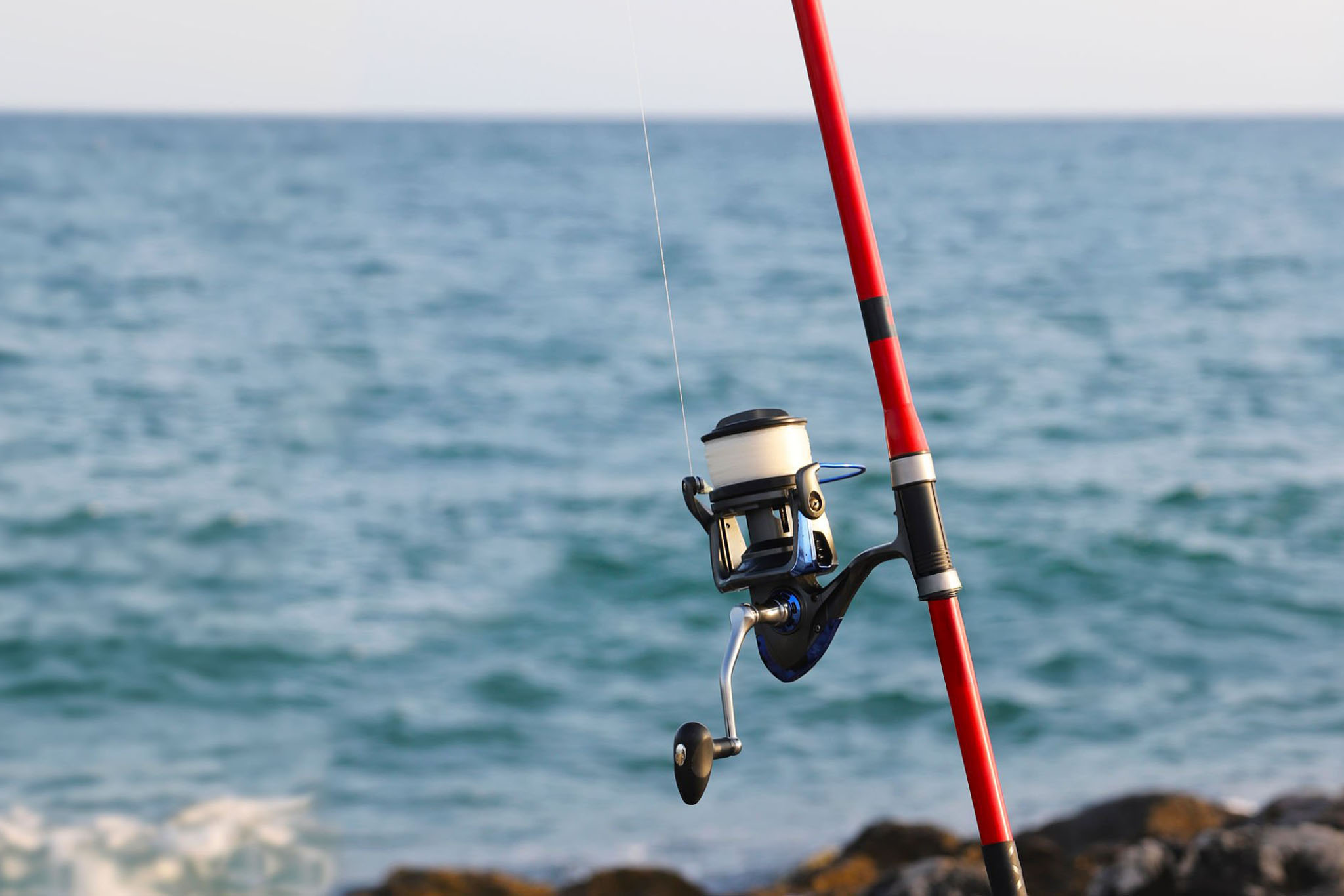
- Lighter Tackle: Allows natural lure action and minimizes splash.
- Slow-Action Rods: Better control for delicate presentations.
- Line Choice: Fluorocarbon or thin braided lines help prevent spooking.
- Soft Baits or Jigs: Imitate realistic prey movement.
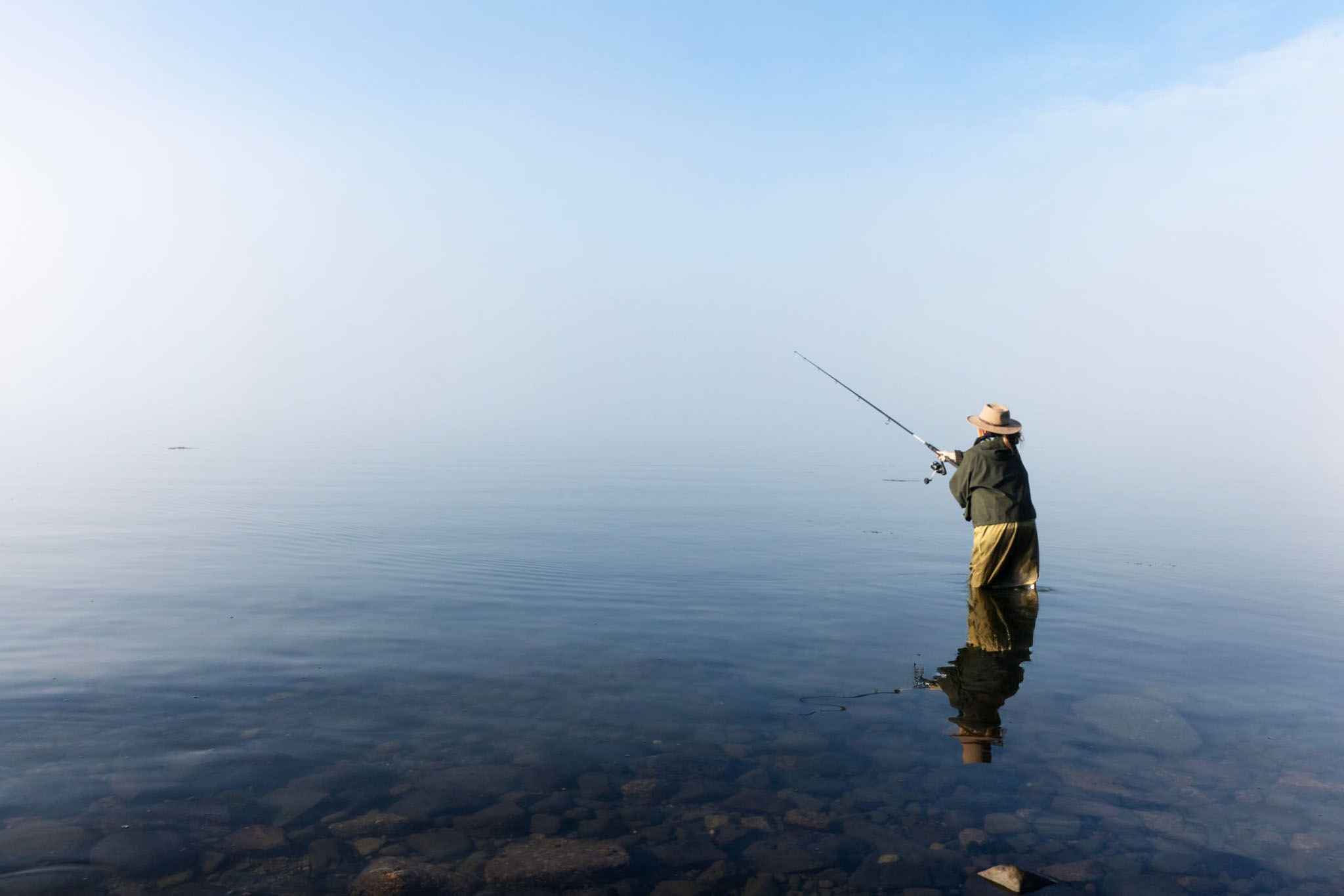
- Stealth Approach: Minimize boat noise, shadows, or wading disturbances.
Every detail matters when fish are selective.
8. Where to Focus Perfect Presentation Efforts
- Drop-offs and transitions: Fish often hold just off the edge, striking only when bait is presented naturally.
- Shade lines and submerged structure: Provides cover, making subtle movement more effective.
- Current seams and shallow pockets: Fish anticipate food movement here but remain cautious.
Aggressive techniques might “flash” through these zones too quickly to trigger a strike.
9. Examples of Effective Perfect Presentations
- Slow twitching of a soft swimbait near cover
- Gentle hop-and-pause of a jig along a drop-off
- Natural drift of a worm or insect imitation through light currents
- Small crankbaits worked subtly rather than aggressively
These approaches maximize strike probability without alarming fish.
10. The Takeaway
Right now, fish are not lazy—they are strategic and selective. Aggressive methods that worked in other seasons often fail because fish have the luxury of choice: they feed only when the presentation meets their strict criteria.
Perfect presentation isn’t just a technique—it’s a mindset:
- Observe behavior
- Match natural prey movements
- Deliver subtle, precise casts
- Maintain patience and consistency
When executed correctly, even the most selective fish will respond.
Early summer is not about covering water fast; it’s about intercepting intelligent, cautious fish with finesse and precision. 🎣