Spring is a transitional season for anglers, marked by unpredictable water temperatures, fluctuating weather patterns, and fish that haven’t fully shifted into their pre-spawn routines. Understanding where fish are hiding in early spring is crucial to staying ahead of the curve and finding consistent action before the water warms up.
The Early Spring Challenge
In early spring, water temperatures in lakes, rivers, and ponds are often just above freezing in northern states and still relatively cool in the south. Cold water slows fish metabolism, meaning they feed less aggressively and become more selective about where they move. Traditional summer fishing spots like shallow flats or open banks are often underutilized because anglers assume fish won’t be active there yet.
But savvy anglers know that even in cold water, fish are already thinking about warmth, shelter, and food. The key is identifying subtle environmental cues that reveal their hiding spots.
Why Shallow Water Matters
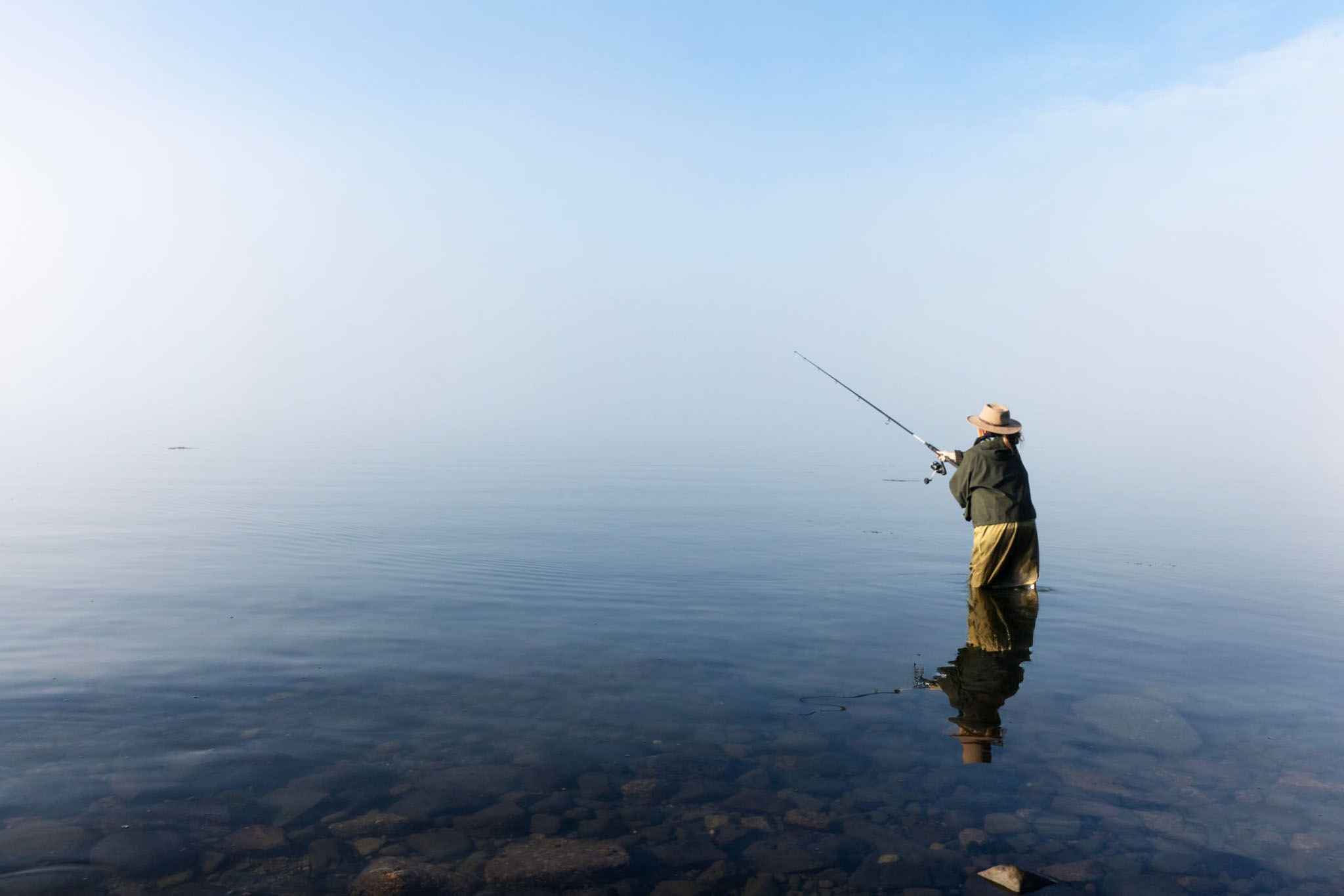
While deep water offers stable temperatures, shallow areas can heat up faster during sunny days. By mid-morning, south-facing shallow flats can reach a few degrees higher than surrounding depths, attracting species like bass, crappie, and panfish. Fish often stage here in small pockets, waiting for prey to drift near warmer water.
Early spring shallow zones are also rich in microhabitats:
- Sandy or gravelly bottoms – preferred by bass and walleye for pre-spawn staging.
- Rock piles and submerged logs – provide shelter from wind and predators while offering ambush points.
- Vegetated edges – even sparse spring weeds or algae can harbor insects and small baitfish that trigger feeding activity.
How Weather Influences Fish Movement
Weather changes dramatically impact fish location during early spring. Warm sunny days can push fish from deep basins toward the shallows, while overcast or windy days may send them retreating to deeper cover. Tracking air temperature swings and barometric pressure patterns helps anticipate when fish will move shallow and where they might hold if the water remains cold.
- Sunny mornings – target south-facing flats or shallow points that warm quickly.
- Cold fronts – focus on deep holes or sheltered bays where water temperatures are more stable.
- Wind shifts – observe where surface water is pushed toward shallow edges, concentrating baitfish and attracting predators.
Key Species to Target in Early Spring Shallows
Different fish species have unique behaviors in early spring shallow zones:
- Largemouth Bass – Look for them near submerged vegetation, points, and weed edges. Slow presentations like jigs or soft plastics work best.
- Crappie – Often suspend above shallow brush piles or sunken timber. Small jigs tipped with minnows can entice bites.
- Panfish (Bluegill, Sunfish) – Gather near warm shallow flats with scattered vegetation or shallow drop-offs. Live bait or tiny soft plastics are effective.
- Walleye – Stage over sandy or gravelly shallows in preparation for spawning. Nighttime or early morning can be prime times for active feeding.
Tactics for Early Spring Shallow Fishing
- Go slow – Fish are lethargic in cold water; slow, deliberate presentations often outperform fast retrieves.
- Focus on edges and transition zones – Areas where shallow flats meet deeper water concentrate baitfish and predators.
- Adjust for sunlight – Fish often seek shallow pockets in direct sunlight but retreat to cover when clouds block warmth.
- Use electronics – A fish finder or depth sounder can reveal subtle temperature changes and structure in shallow water.
Conclusion
Early spring fishing requires patience, observation, and understanding subtle environmental cues. Shallow areas warm first, concentrate prey, and offer excellent pre-warm-up opportunities for anglers willing to read the water carefully. By targeting these early spring shallows, you can find active fish before most anglers even consider shallow water, giving you a head start on the season.
Pro Tip: Always watch for subtle signs like small baitfish activity, rising water temperatures, or sunlit shallow pockets—they often indicate where fish are staging before the big warm-up hits.