


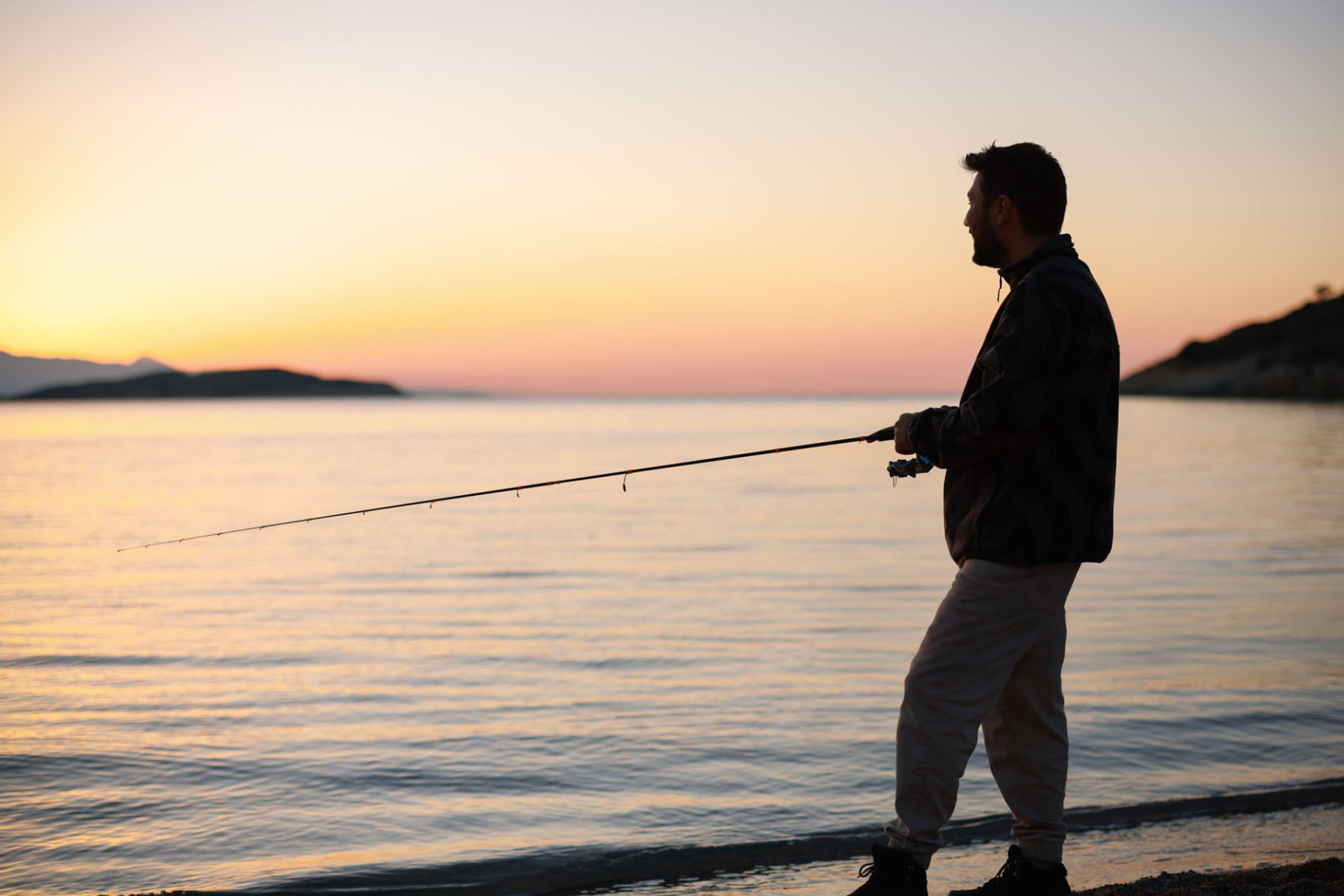
For many anglers, early summer is a transitional period in the fishing calendar. Water temperatures rise, vegetation grows, and fish behavior begins to shift from spring patterns to summer routines. The challenge is that many prime fishing spots start to see heavy pressure as more anglers hit the water. Knowing where to fish before anyone else arrives can give you a huge advantage—more bites, less disturbance, and a more enjoyable fishing experience.
This guide explores the key early summer fishing spots, strategies to locate them, and techniques to maximize your success while staying ahead of the crowd.
Why Timing Matters in Early Summer Fishing
Early summer brings longer days, warmer waters, and an increase in human activity. By fishing before the majority of anglers arrive, you can:
- Access prime feeding areas without spooking fish.
- Observe natural fish behavior before they are pressured.
- Catch larger, less wary fish that often retreat once lakes or rivers get busy.
Even a 30- to 60-minute head start in the morning can make the difference between an average catch and a trophy fish.
1. Shallow Bays and Backwaters
Shallow bays warm faster than open water and often serve as early morning feeding zones:
- Baitfish gather here in the cooler hours, attracting predators like bass, pike, and walleye.
- Look for areas with weed edges, lily pads, or fallen trees, as these structures provide shelter and feeding opportunities.
- Technique tip: Use topwater lures or soft plastics along the edges to mimic natural prey.
Because these spots are often near shore, anglers tend to arrive later, making them ideal for early access.
2. Creek Mouths and Tributary Inlets
Where a creek flows into a lake or river, fish congregate to feed on insects, minnows, and drifting baitfish:
- Early summer temperatures make these areas comfortable transition zones between cooler and warmer water.
- Fish often use these inlets in the morning before moving into deeper water later in the day.
- Pro tip: Cast along the edges where current slows, and watch for surface activity signaling feeding fish.
Arriving before mid-morning ensures you fish these nutrient-rich areas first, before they attract other anglers.
3. Shadowed Points and Overhanging Trees
As the sun rises higher, shaded areas become prime hiding and feeding spots:
- Fish often linger in the cooler shadows, waiting for prey to pass overhead.
- Look for points with overhanging trees, docks, or natural rock formations.
- Early arrivals allow you to fish these productive shadows without competing pressure.
Technique tip: Slow, deliberate retrieves work best in low-light conditions, especially when fish are cautious.
4. Isolated Weed Flats
Weed flats are feeding highways for small baitfish, attracting larger predators:
- Fish feed heavily in the early hours when the water is cooler and oxygen levels are higher near vegetation.
- Use lightweight jigs, weedless soft plastics, or frogs to navigate through dense weeds.
- Check for isolated flats a short distance from the main lake to avoid crowds.
Fishing these spots early lets you exploit high-activity zones before they become overfished.
5. Deepwater Transition Zones
Some species, like bass and walleye, start the day in transition zones between shallow and deep water:
- Early summer mornings are ideal because temperature layers are not yet fully established, making fish more accessible.
- Identify drop-offs, submerged humps, or rock piles near feeding areas.
- Technique tip: Use suspending jerkbaits or medium-diving crankbaits to target fish holding near structure.
By the time other anglers arrive, many fish will retreat to safer, deeper areas, giving you a window of opportunity.
How to Maximize Early Morning Fishing Success
- Scout in advance: Use trail cameras, water maps, and previous observations to identify hotspots.
- Arrive early: Plan to be on the water at first light or 30–60 minutes before sunrise.
- Keep noise to a minimum: Fish are highly sensitive to vibration and sound, so approach quietly.
- Use natural cover: Shadows, boats, or shoreline vegetation help conceal your presence.
- Adjust tackle for low-light: Bright-colored lures or lures with rattles increase visibility and attract attention.
Final Thoughts
Early summer fishing is all about timing, location, and understanding fish behavior. By targeting shallow bays, creek mouths, shadowed points, isolated weed flats, and deepwater transition zones before other anglers arrive, you gain a decisive advantage.
Not only do you access less pressured fish, but you also enjoy a more peaceful and productive morning on the water. With a little preparation, scouting, and the right tackle, you can consistently be the first to catch the fish that others will struggle to find later in the day.