

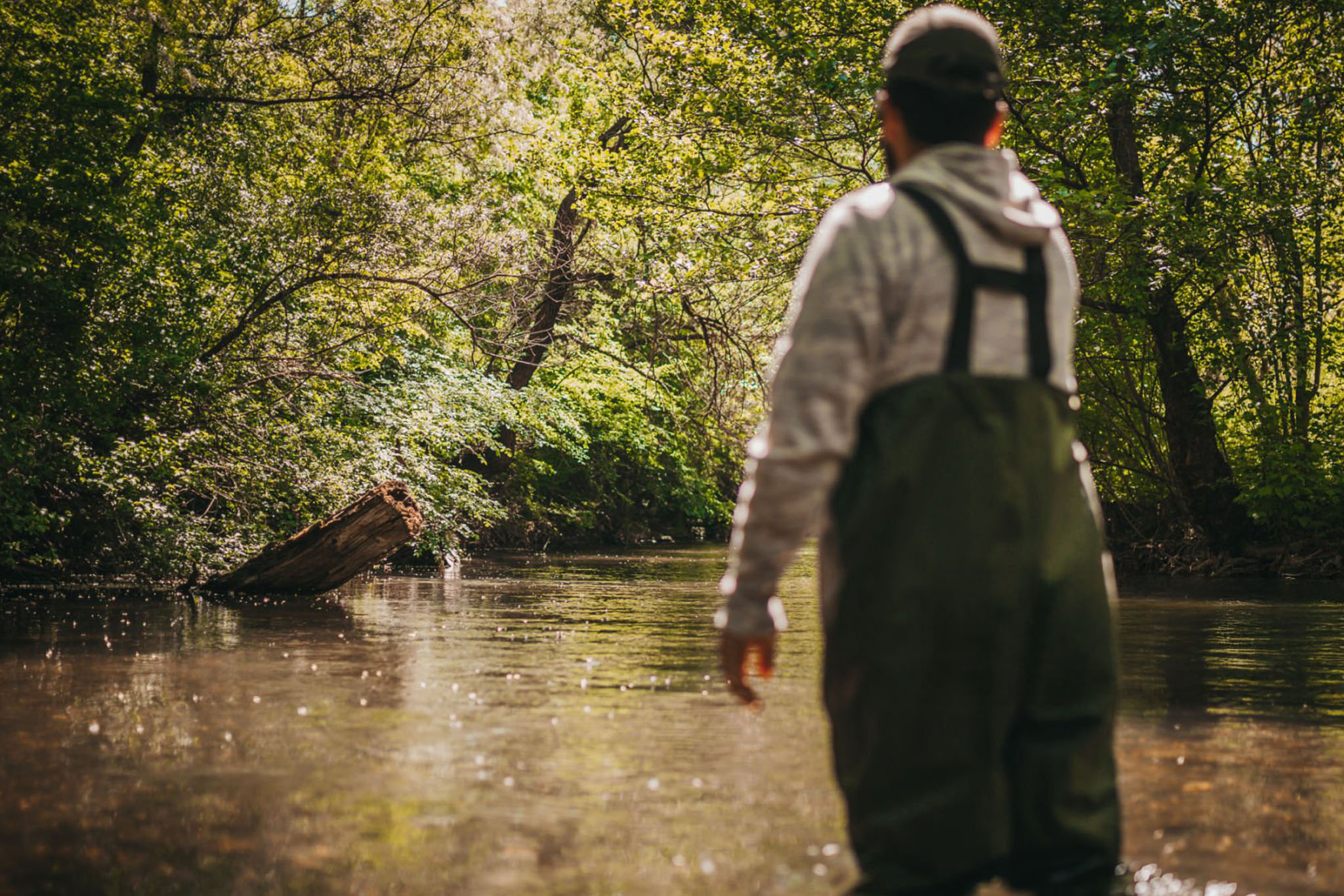
f you’ve spent any time fishing lakes, rivers, or ponds across the U.S., you’ve probably noticed one consistent pattern: overhanging trees almost always hold fish. Whether it’s largemouth bass tucked tight to the bank or panfish suspended in the shade, these areas are natural feeding zones that many anglers either overlook or don’t fully understand.
In late spring and early summer—right now in the current season—overhanging trees become even more productive. Understanding why fish gather there and how to fish these spots effectively can dramatically increase your catch rate.
The Natural Food Source Advantage
One of the biggest reasons fish gather under overhanging trees is simple: food falls from above.
Trees that extend over the water regularly drop:
- Insects (beetles, ants, caterpillars)
- Spiders and other small creatures
- Occasional fruits or seeds
For fish, this creates a steady, natural feeding opportunity. Unlike chasing baitfish, this food literally comes to them.
In late spring, insect activity ramps up significantly. Warm temperatures bring hatches and increased movement, turning overhanging trees into reliable feeding stations throughout the day.
Shade Creates a Comfort Zone
Fish are highly sensitive to light, especially species like bass.
Overhanging trees provide consistent shade, which offers several key benefits:
- Protection from direct sunlight
- Cooler water temperatures
- Reduced visibility from predators
In clear water, shade lines become ambush edges. Fish will often sit right on the border between light and dark, waiting for prey to cross into their strike zone.
During midday—when many anglers struggle—these shaded areas can still produce aggressive bites.
Cover Equals Security
Beyond food and shade, overhanging trees provide physical cover.
Branches, roots, and submerged limbs create a complex structure where fish can:
- Hide from predators
- Conserve energy
- Position themselves for ambush
Bass, in particular, are structure-oriented predators. They prefer areas where they can stay concealed while watching for movement above or around them.
This is why the biggest fish in a system are often found buried deep under thick overhangs where fewer anglers can reach.
Oxygen and Water Quality Benefits
Healthy shoreline vegetation—including trees—often contributes to better water conditions.
Shaded areas tend to:
- Maintain slightly cooler temperatures
- Hold higher dissolved oxygen levels (especially in moving water)
- Support insect and micro-organism activity
In rivers and creeks, overhanging trees can also break current, creating soft edges and eddies where fish can rest while still having access to passing food.
Seasonal Timing: Why Late Spring Is Prime
Right now, in late spring, overhanging trees become even more important for fish behavior.
Here’s why:
Post-Spawn Recovery
Bass and other species are recovering from the spawn and looking for easy, high-protein meals.
Increased Insect Activity
Warmer weather means more bugs falling into the water, turning these areas into feeding hotspots.
Rising Water Temperatures
Fish begin seeking shade and cooler zones, especially during the afternoon.
This combination makes overhanging trees one of the most consistent patterns you can rely on during this time of year.
Best Species to Target Around Overhanging Trees
While many fish use these areas, some species are especially drawn to them:
- Largemouth Bass – Ambush predators that thrive in cover
- Crappie – Often suspend under shade near structure
- Bluegill – Feed heavily on insects falling from trees
- Trout (in creeks and streams) – Key in on drifting insects
If you’re fishing multi-species waters, overhanging trees can produce action all day long.
How to Fish Overhanging Trees Effectively
Fishing these areas requires a mix of precision and strategy.
1. Make Accurate Casts
The closer your lure lands to the shade or structure, the better your chances. Fish are often tight to cover.
2. Skip Your Lure
Learning to skip lures under branches is a game-changer. This allows you to reach fish that most anglers can’t.
3. Approach Quietly
Fish in shallow, shaded water are easily spooked. Keep noise to a minimum and avoid sudden movements.
4. Fish the Edges First
Start by targeting the outer shade line before moving deeper into the cover.
Best Lures for Overhanging Tree Fishing
Choosing the right lure can make all the difference.
Topwater Lures
Perfect for mimicking insects or small prey falling from trees. Early morning and evening are especially productive.
Soft Plastics
Weightless worms or creature baits can be skipped under branches and allowed to fall naturally.
Jigs
Great for targeting fish holding tight to submerged wood and roots.
Small Crankbaits or Spinnerbaits
Useful when fish are more active and willing to chase.
In calm conditions, subtle presentations tend to outperform aggressive ones—especially in clear water.
Common Mistakes Anglers Make
Even experienced anglers sometimes miss opportunities around overhanging trees.
Here are a few common mistakes:
- Casting too far away from the cover
- Retrieving too quickly
- Ignoring midday fishing opportunities
- Failing to target the deepest shade
Correcting these small errors can lead to significantly better results.
Why These Spots Often Hold Bigger Fish
Overhanging trees don’t just hold fish—they often hold better fish.
Because these areas provide:
- Reliable food sources
- Protection and security
- Ideal ambush positioning
Larger, more experienced fish tend to claim these prime spots and defend them.
That’s why taking the extra time to fish these areas thoroughly can pay off with higher-quality catches.
Final Thoughts
Overhanging trees are one of the most reliable—and often underutilized—features in any body of water.
They combine everything fish need to thrive: food, shade, cover, and comfort. During late spring, these factors align perfectly, turning these areas into consistent feeding zones.
If you want to catch more fish right now, don’t just fish the open water. Focus on the shaded banks, skip your lure deep under the branches, and slow down your presentation.
Chances are, the fish you’re looking for is already there—waiting in the shade.