





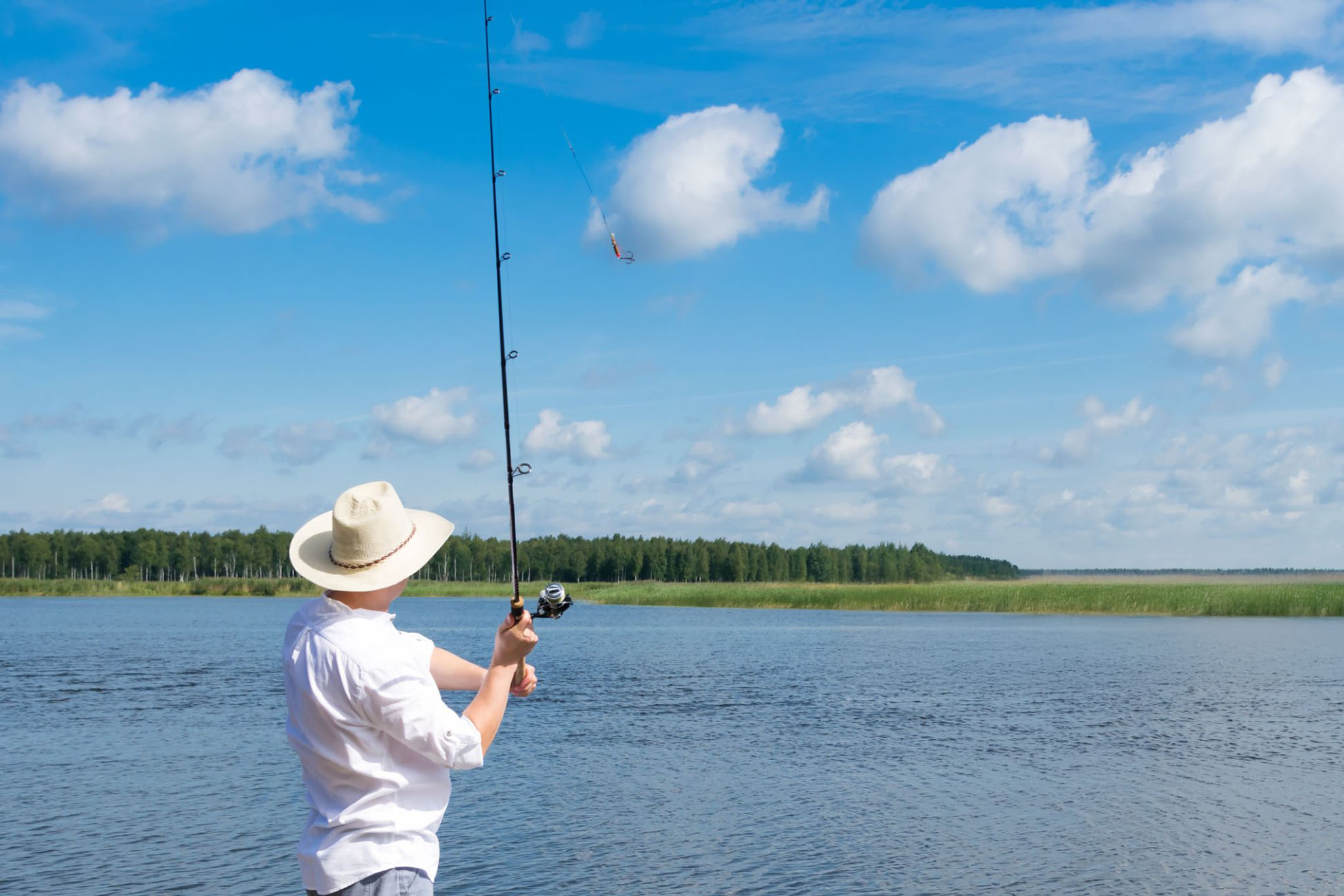
For many anglers, early morning is considered the prime time to catch bass. Boats launch before sunrise, and fishermen rush to their favorite spots hoping to capitalize on the first light bite. While morning fishing can certainly be productive, there is another time window that often produces equally impressive — and sometimes better — results: the first hour before sunset.
This short evening period frequently triggers aggressive feeding behavior in bass, especially during late spring and early summer. As daylight begins to fade and water temperatures stabilize, bass move into predictable feeding patterns that anglers can take advantage of.
Understanding why this time window is so productive can dramatically improve your fishing success and help you plan more effective trips.
The Role of Changing Light Conditions
One of the most important reasons bass become more active before sunset is the shift in light levels.
Bass are visual predators, but they prefer conditions that give them a slight advantage over their prey. Bright midday sunlight often pushes baitfish deeper or into heavy cover, making feeding less efficient for bass.
As the sun lowers toward the horizon, light penetration decreases and shadows begin to stretch across the water. These dimmer conditions create the perfect environment for bass to hunt.
Lower light levels allow bass to:
- Move into shallower water with less risk
- Ambush baitfish more easily
- Feed more aggressively along structure and shorelines
Because of this, many lakes experience a noticeable increase in bass activity as sunset approaches.
Water Temperature Stabilization
Another key factor is water temperature.
During late spring and early summer, midday sunlight can significantly warm shallow water. In some cases, surface temperatures rise enough to make bass slightly less active during the hottest part of the day.
As the evening approaches, the sun’s intensity begins to decrease and water temperatures stabilize. This creates more comfortable conditions for bass, especially in shallow areas where baitfish often gather.
The combination of stable temperature and reduced sunlight often encourages bass to move from deeper holding areas toward feeding zones.
Baitfish Activity Increases at Dusk
Bass behavior is closely tied to the movement of baitfish such as shad, minnows, and young-of-the-year forage species.
As evening approaches, baitfish frequently move closer to the surface and toward shoreline areas to feed on plankton and insects. This natural movement creates opportunities for bass to ambush them.
Common areas where baitfish gather near sunset include:
- Shallow flats
- Weed edges
- Creek mouths
- Rock banks
- Submerged timber
When baitfish begin to concentrate in these locations, bass quickly follow.
For anglers, recognizing signs of baitfish activity — such as surface ripples, small splashes, or birds diving — can lead directly to productive fishing spots.
Bass Use Structure to Ambush Prey
During the hour before sunset, bass often position themselves around structures that provide cover and ambush opportunities.
These structures might include:
- Fallen trees or submerged logs
- Dock pilings
- Rock piles
- Weed beds
- Drop-offs near shallow water
Bass frequently wait along the edges of these structures for baitfish to swim past. When the lighting conditions become favorable, they move out and strike quickly.
Fishing these structural edges during the evening bite can lead to consistent action.
The Topwater Advantage
One of the most exciting aspects of the pre-sunset bite is the effectiveness of topwater fishing.
As bass move toward the surface to chase baitfish, topwater lures can trigger explosive strikes. Many anglers report that some of their most memorable catches occur during this brief evening window.
Topwater lures that perform particularly well near sunset include:
- Poppers
- Walking baits
- Buzzbaits
- Frogs in heavy vegetation
These lures imitate injured baitfish or small prey struggling on the surface, which can be irresistible to feeding bass.
When bass are actively chasing baitfish near the surface, topwater fishing can produce dramatic and aggressive strikes.
Shoreline Areas Become Feeding Zones
Shorelines often become key feeding areas during the last hour of daylight.
Several factors attract bass to these areas:
- Baitfish moving shallow
- Insects falling onto the water surface
- Cooler water temperatures near shaded banks
Rocky shorelines, weed-covered banks, and shallow coves can all hold feeding bass during this time.
Anglers fishing from shore can also benefit from this pattern, as bass frequently patrol the edges of the bank in search of easy prey.
Wind and Evening Feeding Patterns
Wind can further enhance the pre-sunset bite.
A light breeze often pushes plankton toward one side of the lake. Baitfish follow the plankton, and bass follow the baitfish. This chain reaction concentrates fish along windblown banks.
When fishing during the evening window, anglers should pay attention to:
- Wind direction
- Shorelines receiving consistent wave action
- Points where wind pushes baitfish into shallow water
These areas can become feeding hotspots as sunset approaches.
How to Maximize the Evening Fishing Window
Because the pre-sunset bite is relatively short, preparation is important. Anglers who arrive at the water already organized are far more likely to take advantage of this productive period.
Some helpful strategies include:
Scout during the afternoon
Use earlier hours to locate baitfish activity and identify promising structures.
Focus on high-percentage areas
Concentrate on locations where bass are most likely to feed, such as weed edges, points, and shallow flats.
Keep lure selection simple
Switching lures too often can waste valuable time during this brief feeding window.
Stay quiet and observant
Even small disturbances can push bass away from shallow feeding areas.
By staying alert and focusing on active fish, anglers can dramatically increase their success during the evening bite.
Why Many Anglers Miss This Opportunity
Despite its productivity, the hour before sunset is often overlooked by anglers.
Many fishermen leave the lake earlier in the day due to work schedules, travel distance, or simple habit. Others focus primarily on morning fishing and underestimate how active bass can become later in the day.
Those who remain on the water during the final hour of daylight frequently discover that bass feed more aggressively than they did all afternoon.
Final Thoughts
The first hour before sunset consistently provides one of the most reliable feeding windows for bass throughout late spring and early summer.
As light fades, water temperatures stabilize, and baitfish move into shallow areas, bass become more active and easier to target. Structure, shoreline cover, and windblown banks often turn into productive fishing zones during this time.
For anglers willing to stay on the water a little longer, this short evening window can deliver some of the most exciting and rewarding bass fishing of the entire day.
Sometimes, the biggest mistake anglers make is leaving the lake just when the fish are finally ready to feed.