


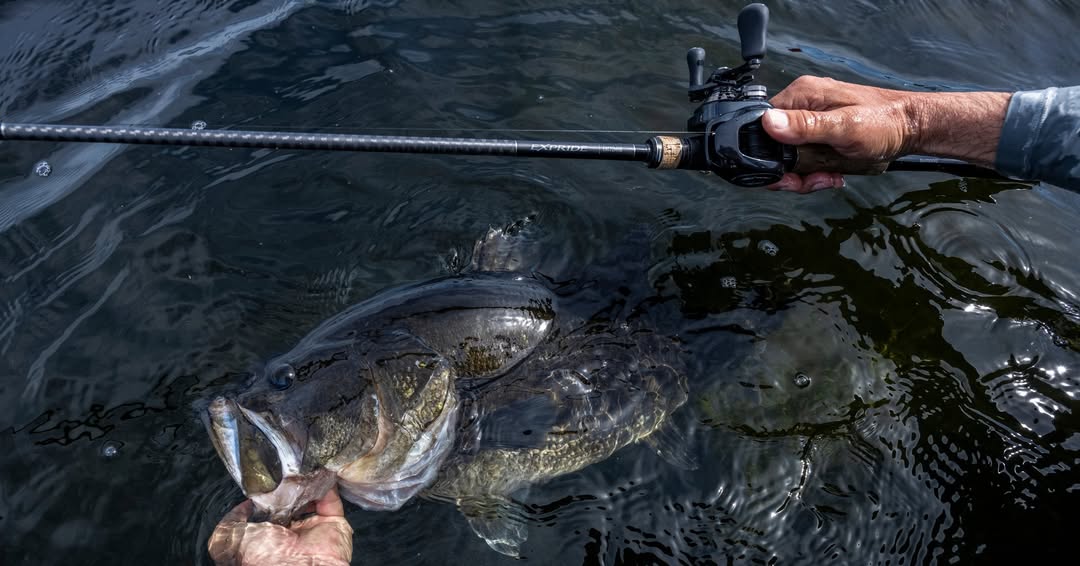
Early spring marks a crucial transition for bass anglers in the U.S. As ice retreats and daylight increases, bass emerge from their winter lethargy, and their activity patterns shift dramatically. One of the most effective strategies for targeting bass during this period is focusing on sun-warmed shallow areas. Understanding how bass respond to early-season temperature changes and how to locate these productive zones can significantly improve your catch rates.
Why Sun-Warmed Shallows Are Key
Bass are cold-blooded fish, which means their body temperature and metabolism are heavily influenced by water temperature. During late winter and early spring:
- Bass conserve energy in deeper, colder water for much of the day.
- They gravitate toward shallow areas that receive direct sunlight, which warms the water and increases their metabolism.
- These warmer zones stimulate feeding behavior, making bass more likely to chase lures or bait.
By targeting these microzones, anglers can catch bass when they are most active and concentrated, often before the main fishing season heats up.
Identifying Sun-Warmed Shallows
Successful anglers look for specific features that enhance early spring warming:
1. South-Facing Bays and Shorelines
- Sun exposure is greatest on south-facing slopes and coves, which heat faster than other areas.
- These locations often attract bass early because the water temperature rises quicker, promoting activity.
2. Shallow Flats and Sand Bars
- Flats between 2–6 feet deep are ideal; they warm rapidly and provide cover for feeding bass.
- Sand or gravel bottoms absorb heat more efficiently than mud, creating micro-warmth zones.
3. Vegetation and Woody Debris
- Sparse early-season vegetation, fallen trees, and brush piles in shallow water can trap heat.
- Bass use these areas for ambush points, feeding on prey drawn to the warmer water.
4. Wind-Sheltered Areas
- Calm coves protected from prevailing winds allow sunlight to penetrate the water surface efficiently.
- These zones can be several degrees warmer than exposed areas, which is critical in early spring.
Best Techniques for Targeting Early Spring Bass
1. Slow Presentation
- Early spring bass are less aggressive, so slow-moving lures like jigs, soft plastics, and suspending jerkbaits are ideal.
- Dragging a lure along the bottom mimics natural prey in a way that triggers strikes.
2. Focus on Warmest Hours
- Midday is often the most productive time because sunlight has warmed shallow areas sufficiently.
- Morning or late afternoon can still be productive near south-facing slopes or shallow flats that retain heat.
3. Watch the Temperature
- Use a thermometer or fish-finder with temperature readings to identify hotspots.
- Early spring bass activity usually increases when water reaches 45–55°F, depending on the region.
4. Follow Prey Movement
- Shallow baitfish or crawfish often move into sun-warmed shallows first.
- Bass are likely to follow these prey species, so observing early prey activity can point you to productive spots.
Seasonal Variations to Consider
- Cold Fronts: Sudden drops in temperature can push bass back into deeper water. Focus on sheltered coves where water remains slightly warmer.
- Cloudy Days: Shallow warming is slower; concentrate on sand bars or areas with dark substrates that retain heat.
- Wind Shifts: A south or west wind can push warmer surface water into coves, creating temporary hotspots for feeding bass.
Equipment and Lure Recommendations
- Soft Plastic Worms: Rigged weightless or Texas-style, ideal for slow early spring presentations.
- Jigs: Lightweight jigs tipped with craw trailers imitate prey moving along shallow bottoms.
- Suspending Jerkbaits: Perfect for slow, twitching retrieves over sun-warmed flats.
- Spinning Rods: Sensitive rods help detect subtle bites from lethargic early-season bass.
Pro Tips for Success
- Scout in Advance: Walk or paddle shallow bays during sunny periods to visually locate warm zones.
- Mark Productive Spots: Use GPS or fish-finder marks to return to the same sun-warmed shallow areas later in the week.
- Observe Wildlife: Birds feeding on baitfish or frogs near shallow flats can indicate bass activity.
- Adjust Slowly: Bass often linger near the edge of warmed areas before fully entering shallow water. Approach gradually to avoid spooking them.
Conclusion
Targeting sun-warmed shallows during early spring is a highly effective strategy for catching active bass. By understanding how bass respond to temperature changes and identifying the right microzones, anglers can consistently locate fish before the full spring season begins. Combining careful observation, slow presentations, and knowledge of sun-exposed flats and coves ensures a productive early-season fishing experience.