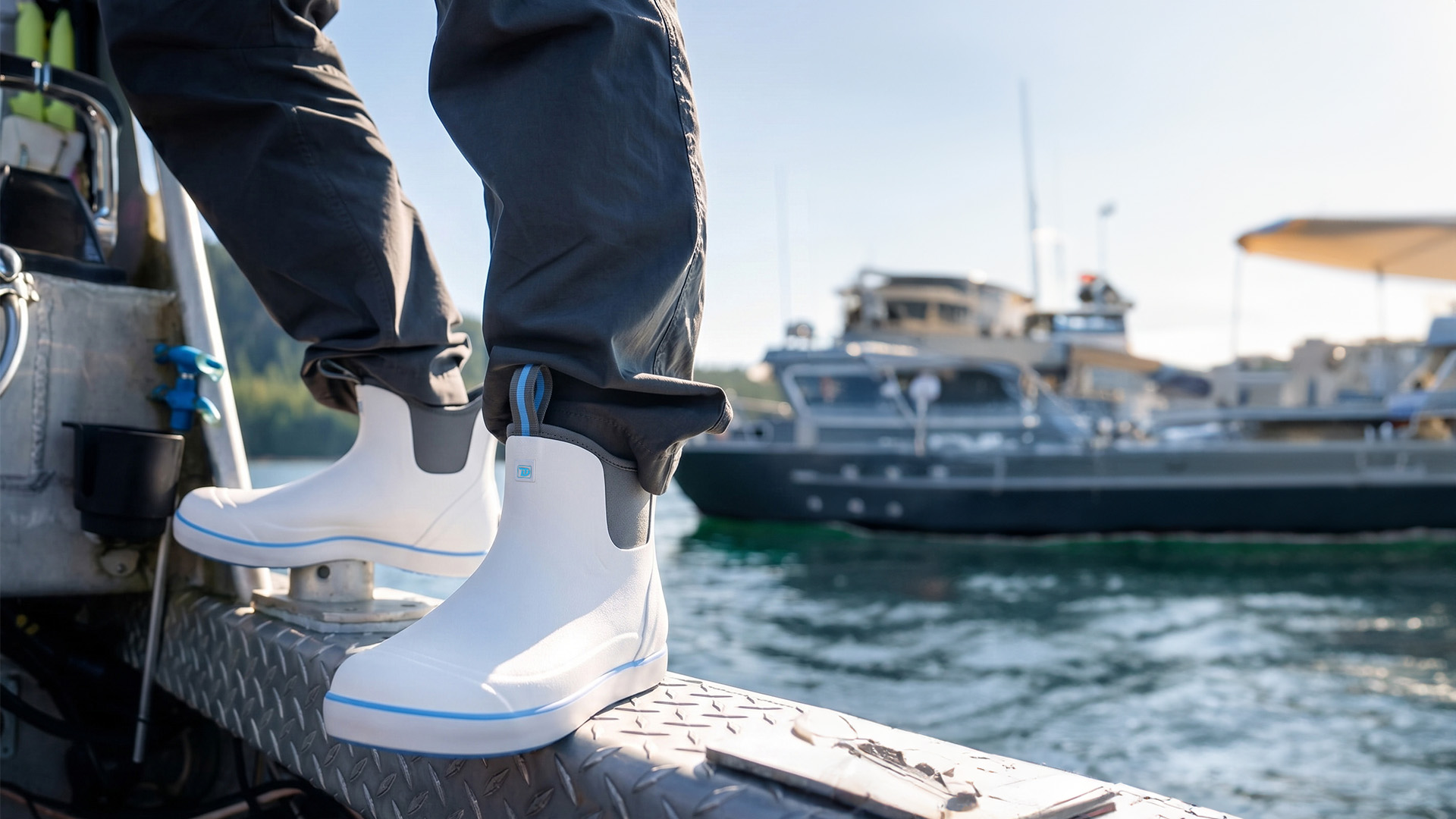






Early spring is a transitional period that challenges even experienced anglers. Water temperatures fluctuate, prey activity is unpredictable, and fish are slowly emerging from winter holding areas. Success during this time relies not on luck but on understanding subtle cues in fish behavior before patterns fully develop. Recognizing these early signals allows anglers to capitalize on pre-peak opportunities, putting them ahead of the crowd when the fishing action explodes.
Why Early Spring Fishing Is Unique
Unlike summer or fall, early spring presents a delicate balance of environmental and biological factors:
- Water Temperature Variability: Fish metabolism and feeding activity are closely tied to temperature. Slight changes can shift fish from lethargy to active foraging.
- Limited Prey Movement: Early-season baitfish, insects, and crustaceans are just starting to emerge, concentrating fish in specific zones.
- Transitioning Habits: Fish are moving from deep winter refuges to shallower staging and feeding areas, creating predictable but temporary patterns.
Understanding these elements helps anglers locate fish before traditional peak feeding zones become crowded and heavily fished.
Observing Early Indicators
1. Water Temperature Gradients
- Fish often follow warm-water pockets first, even if the surrounding water remains cold.
- South-facing shallow bays, sun-exposed points, and creek inflows tend to warm faster and attract baitfish.
- Thermometers or sonar temperature readings can help locate these micro-warm zones before fish fully commit.
2. Prey Concentration Patterns
- Early spring fish feed selectively on what is immediately available.
- Look for baitfish schools near creek channels, submerged structures, or along drop-offs.
- Observing small insect hatches or crustacean activity can also indicate where game fish will stage.
3. Structure and Cover Usage
- Fish are energy-conscious after winter. They gravitate toward structures that offer protection and feeding efficiency.
- Drop-offs, submerged timber, rock ledges, and weed edges act as early-season hotspots.
- Mapping these areas in advance provides an advantage when fish move into them.
4. Movement Timing
- Fish may feed aggressively during brief windows in the warmest parts of the day.
- Early morning and late afternoon often provide predictable periods of movement.
- Consistent observation over multiple days reveals recurring travel corridors and holding patterns.
Adapting Your Approach
- Prioritize Active Search: Cast to transitional zones where fish are likely exploring shallow and mid-depth water.
- Adjust Presentations: Slow-moving lures or natural baits work best until fish fully commit to feeding.
- Track Short-Term Trends: Monitor consecutive warm days or cold fronts, as fish responses shift rapidly in early spring.
- Use Sonar or Electronics: Early detection of suspended fish or small concentrations can reveal emerging patterns before surface activity becomes obvious.
Benefits of Early Pattern Recognition
- First-Mover Advantage: Catch fish before patterns peak and areas become heavily pressured.
- Improved Consistency: Knowledge of microhabitats and movement corridors increases strike rates during unpredictable spring conditions.
- Efficient Fishing: Spend less time blind-casting and more time targeting high-probability zones.
- Preparation for Peak Season: Observing early trends provides critical insights for later fishing in the same body of water.
Conclusion
Identifying early spring fishing patterns requires attention to water temperature, prey behavior, and subtle fish movements. By focusing on transitional zones, structures, and warming microhabitats, anglers can anticipate fish activity before it peaks. Success in early spring is earned through observation, adaptation, and proactive targeting of fish staging areas. Those who recognize these signals gain a head start on the season, turning fleeting windows of opportunity into consistent early-season results.