





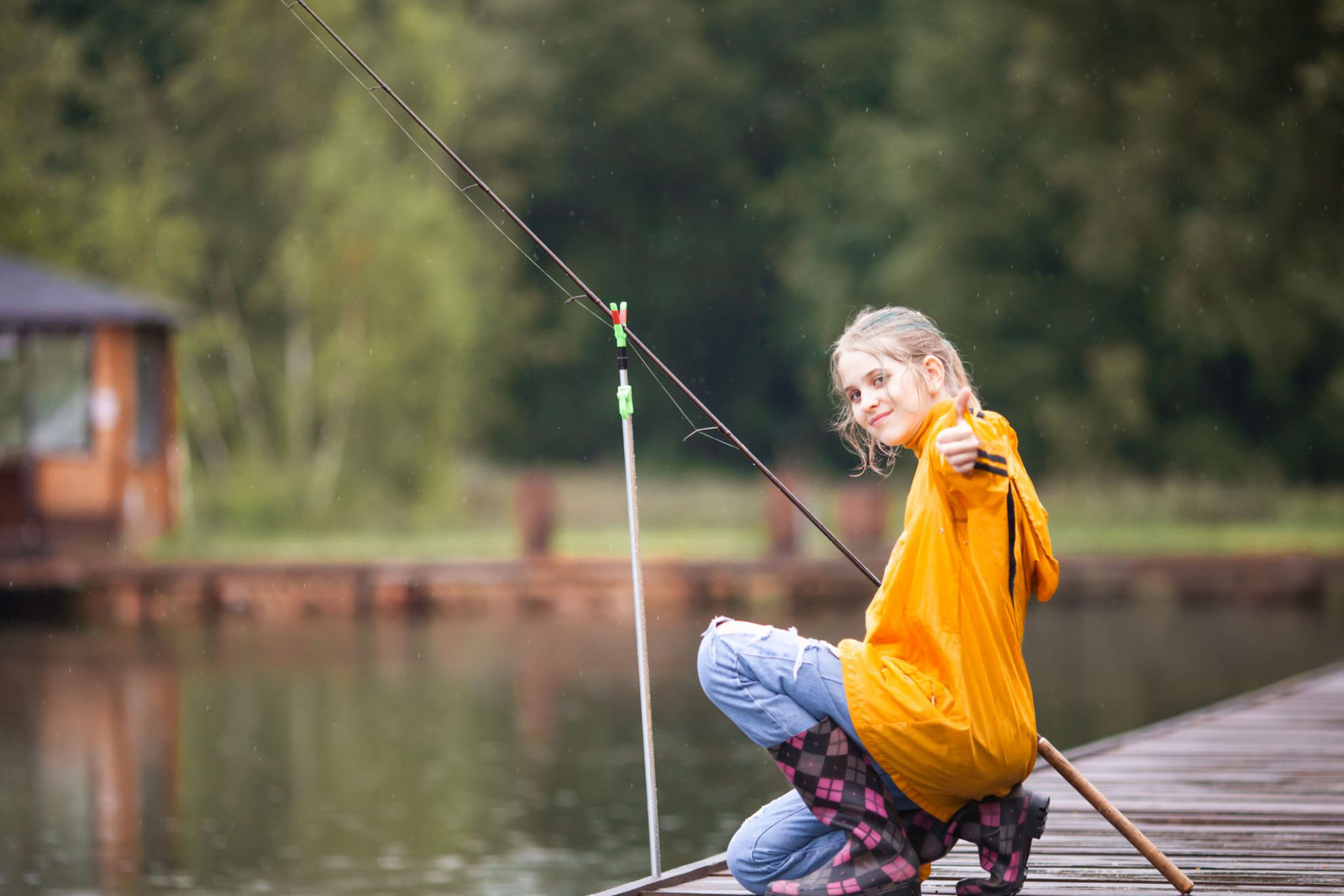
In early spring, sunlight becomes one of the most powerful forces shaping fish location and behavior. While many anglers focus on water depth, structure, or bait selection, experienced fishermen understand that sun exposure often determines where the most active fish concentrate. Even small differences in sunlight can create temperature changes that attract baitfish and predator fish alike.
Learning how to identify sun-warmed zones can help you locate hidden spring fishing hotspots that other anglers overlook.
Why Sunlight Matters More in Spring Than Any Other Season
During winter, water temperatures remain cold and relatively uniform. Fish conserve energy and avoid unnecessary movement. But when spring arrives, sunlight begins warming the water unevenly.
This uneven warming creates micro-zones where water temperatures may be just 1–3 degrees warmer than surrounding areas. While that difference may seem minor, it has a massive impact on fish behavior.
Fish are cold-blooded animals, meaning their metabolism depends on external temperatures. Slightly warmer water allows fish to:
- Digest food more efficiently
- Move more actively
- Feed more frequently
- Recover from winter stress
As a result, fish naturally seek out areas warmed by the sun.
The Warmest Water Always Attracts the Most Life
Sun exposure doesn’t just affect predator fish—it affects the entire aquatic food chain.
Sun-warmed water stimulates:
- Plankton growth
- Insect activity
- Baitfish movement
- Crawfish activity
As baitfish gather in warmer zones, predator fish such as bass, trout, crappie, and walleye follow.
This creates concentrated feeding areas that can hold large numbers of active fish.
In many cases, the warmest water in the lake holds the most fish—even if that area appears insignificant on the surface.
North-Facing Shorelines Warm First
One of the most consistent spring fishing hotspots is the north-facing shoreline.
In the Northern Hemisphere, the sun travels across the southern portion of the sky. This means north-facing banks receive longer and more direct sunlight exposure throughout the day.
As a result, these shorelines warm faster and retain heat longer.
North-facing banks often attract:
- Early spring bass staging near spawning areas
- Baitfish seeking warmer water
- Crappie moving shallow
- Panfish feeding in warming shallows
These areas can produce excellent fishing weeks before other parts of the lake become active.
Dark Bottoms Absorb and Hold Heat More Efficiently
Bottom composition plays a major role in how much heat an area absorbs.
Dark surfaces absorb more sunlight than light surfaces.
Areas with dark bottoms such as:
- Mud
- Dark sand
- Organic material
- Decaying vegetation
will warm faster than areas with light-colored rock or clean sand.
These darker bottom areas create ideal early spring feeding zones.
Fish often hold just off these zones, moving shallow to feed during peak warming periods.
Shallow Protected Areas Heat Faster
Shallow water warms faster than deep water because there is less volume to absorb heat.
Protected shallow areas that receive direct sunlight are among the best early spring fishing locations.
These include:
- Protected coves
- Small pockets along shorelines
- Back ends of creeks
- Shallow flats protected from wind
Wind mixes water and can cool warming zones, so protected areas retain warmth more effectively.
Fish often move into these protected areas during sunny afternoons.
Hard Structure Enhances Heat Retention
Hard structure such as rock, wood, and docks absorbs sunlight and transfers heat into the surrounding water.
This creates small temperature increases that attract fish.
Key heat-retaining structures include:
- Rock banks
- Riprap shorelines
- Submerged logs
- Stumps
- Dock pilings
These structures also attract baitfish, making them ideal ambush locations for predator fish.
Fish often position on the sunny side of structure where heat accumulation is strongest.
Afternoon Sun Creates Peak Feeding Windows
Sun exposure accumulates throughout the day, making afternoon the warmest and most productive fishing period during early spring.
Water temperatures typically peak between:
- 2 PM and sunset
During this time, fish metabolism increases and feeding activity intensifies.
Fish that remained inactive during cold mornings often become aggressive in the afternoon.
This makes afternoon fishing far more productive than early morning during early spring.
Calm Conditions Amplify Sun Warming Effects
Calm water allows heat to accumulate near the surface.
When water remains undisturbed, sun-warmed surface layers create stable temperature zones.
Wind mixes water layers and can reduce localized warming.
This is why calm, sunny days often produce excellent early spring fishing conditions.
Fish concentrate in stable, warm areas where feeding efficiency is highest.
Transitional Edges Near Warm Zones Hold the Most Fish
Fish rarely stay in extremely shallow water constantly during early spring.
Instead, they position along transition zones near warm areas.
These transition areas include:
- Drop-offs near sun-warmed flats
- Edges of shallow coves
- First depth break near warming shorelines
- Channel edges near shallow zones
These locations allow fish to move between comfort and feeding zones efficiently.
Fish may move shallow to feed, then retreat slightly deeper for security.
Sun Exposure Helps Trigger Seasonal Movement
Sun-warmed areas play a major role in triggering seasonal fish movement patterns.
As warming trends continue, fish gradually shift from winter holding areas into spring staging locations.
This process eventually leads to spawning preparation.
Sun exposure accelerates this transition by creating localized warming zones that encourage early movement.
Anglers who identify these areas can find fish before they move into widely recognized spring locations.
Visual Clues That Indicate Sun-Warmed Hotspots
Several visible signs can help identify productive sun-exposed fishing areas.
Watch for:
- Calm, protected shorelines
- Areas receiving direct sunlight for most of the day
- Dark bottom composition
- Increased baitfish activity
- Fish movement near shallow cover
- Clear water warming faster than surrounding areas
These indicators often signal productive fishing zones.
Regional Differences in Sun-Driven Fish Movement
Sun exposure influences fish behavior across all regions, but timing varies.
Southern states may see sun-driven movement earlier in the year.
Northern states experience delayed warming, but the same principles apply.
Regardless of region, fish consistently respond to the warmest available water.
Understanding this universal behavior improves fishing success everywhere.
Why Most Anglers Miss These Hidden Hotspots
Many anglers focus only on obvious structure or depth.
They overlook how sunlight affects water temperature distribution.
The most productive areas often appear subtle and easy to ignore.
However, these sun-exposed zones consistently attract feeding fish.
Anglers who pay attention to sunlight positioning gain a major advantage.
How Sun Exposure Improves Fishing Consistency
Understanding sun-driven warming patterns allows anglers to fish more efficiently.
Instead of searching randomly, anglers can focus on:
- Sun-exposed shorelines
- Protected shallow zones
- Heat-retaining structure
- Transition areas near warm water
These locations consistently hold active fish during spring.
Final Thoughts: Sunlight Is One of Spring Fishing’s Most Powerful Forces
Sun exposure creates hidden temperature differences that concentrate fish in predictable locations.
These warm zones attract baitfish, increase feeding activity, and accelerate seasonal movement.
Anglers who understand how sunlight shapes fish positioning can consistently locate productive fishing areas before others recognize the pattern.
By focusing on sun-exposed shorelines, protected shallow water, and heat-retaining structure, you can uncover hidden spring fishing hotspots and dramatically improve your fishing success.