


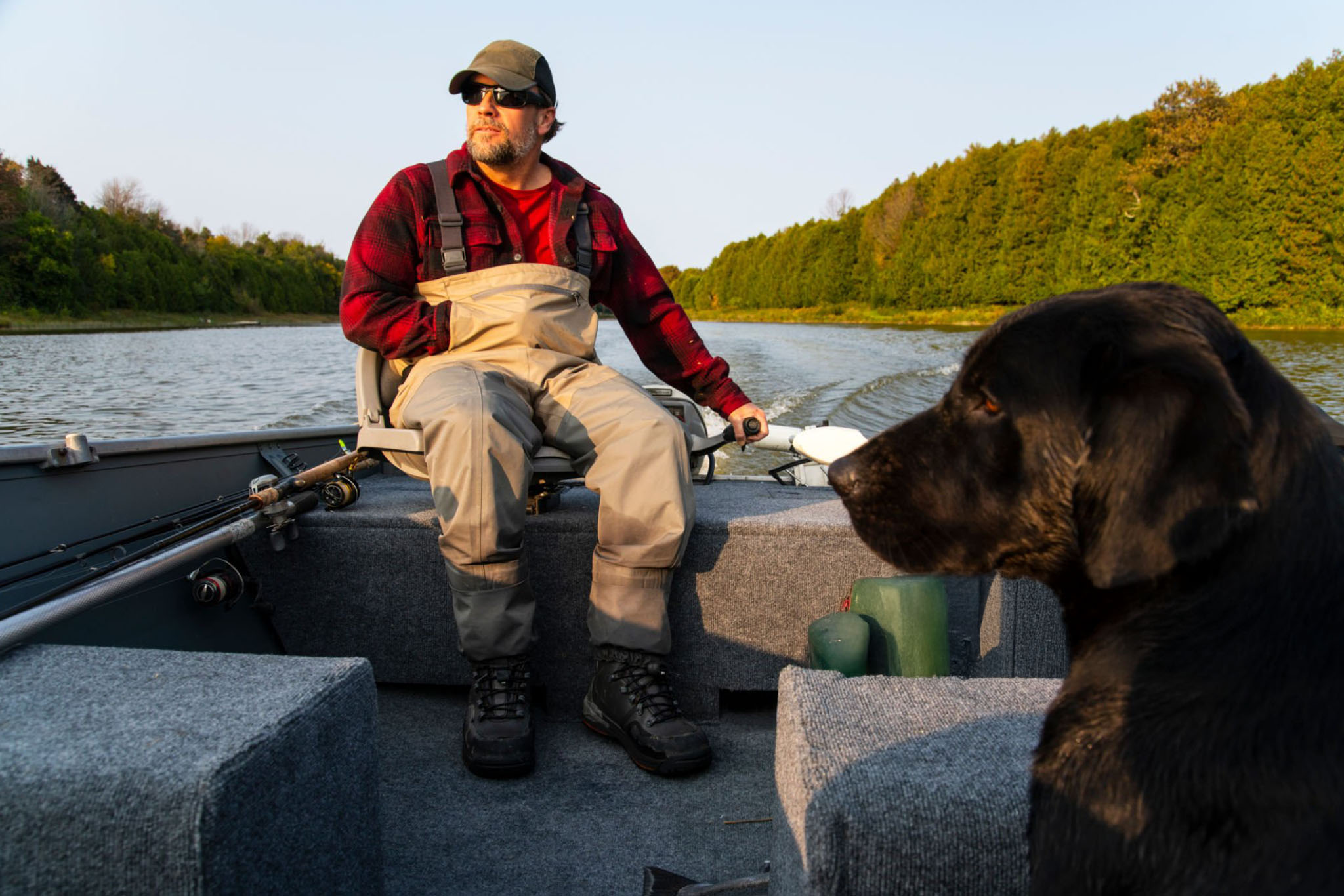
Early spring is one of the most exciting times for bass anglers across the United States. As winter melts away, water temperatures fluctuate rapidly, ice thaws, and bass start transitioning from their deep winter haunts toward shallow spawning areas. These changing water temperatures can make bass unpredictable, but with the right strategies, anglers can consistently locate and catch them before the full spawn hits.
In this guide, we’ll cover how to find bass in early spring, the best tactics for shifting water temperatures, and practical tips for staying ahead of the fish in these transitional waters.
Understanding Bass Behavior in Early Spring
Bass are cold-blooded predators, and their behavior is closely tied to water temperature. In early spring, lakes and rivers often experience a wide range of temperatures due to shallow warming areas, snowmelt runoff, and lingering cold pockets. Here’s what you need to know:
1. Cold-Water Retreat
When water is still below 50°F, bass remain lethargic in deeper pockets and structure. They rarely venture into shallow areas unless a sunny, warm day heats small coves or shorelines. Focus on drop-offs, creek channels, and submerged brush where fish conserve energy.
2. The Pre-Spawn Push
As water warms into the 50s, bass start moving toward shallower flats in preparation for spawning. Early pre-spawn bass can be found near protected coves, boat docks, or points where the sun hits first, offering slightly warmer water and easy ambush spots for prey.
3. Temperature Pockets
Water warms unevenly in early spring. Bass often stack along temperature breaks, where colder water meets warmer pockets. Using a water thermometer or fish finder, you can locate these transitional zones, which often become hotspots before the full spawn.
Finding Bass in Shifting Water
Early spring fishing requires flexibility and observation. Here’s how to locate bass when water temperatures are in flux:
1. Scout Shallow and Deep
Even if bass aren’t in shallow spawning areas yet, check flats during mid-day when sunlight warms the water. Conversely, mornings or cloudy days may push fish back into deeper, more stable water.
2. Focus on Structure and Cover
Submerged logs, brush piles, rock piles, and creek channels are critical. Bass rely on these structures in early spring for both shelter and ambush points, especially when water temperatures are cold.
3. Observe Insect and Baitfish Activity
Bass are more active where prey is abundant. Look for emerging insects, baitfish schools, or shad moving into warming areas. These areas often indicate higher feeding activity, even when water is still chilly.
Effective Early Spring Bass Tactics
The right tackle and techniques can make a significant difference during early spring. Consider these strategies:
1. Slow Down Your Retrieve
Cold-water bass have slower metabolisms. Use slower retrieves on jigs, soft plastics, and crankbaits. Focus on subtle movement rather than aggressive action.
2. Target Pre-Spawn Zones
Soft plastics like creature baits, worms, and finesse lures are highly effective near shallow edges and warming flats. Target points, submerged vegetation, and creek mouths where bass stage before the spawn.
3. Pay Attention to Sunlight
Sunny, calm days can temporarily heat shallow flats, triggering bites. Plan your fishing trips around peak warming hours, often late morning to early afternoon.
4. Adjust for Water Clarity
Early spring waters can be muddy due to runoff. In turbid water, use lures with vibration or bright colors to attract attention. In clearer water, natural colors and finesse presentations dominate.
Seasonal Gear Recommendations
- Rod & Reel: A medium-heavy spinning or baitcasting setup allows for both finesse and heavier cover work.
- Soft Plastics: Craws, worms, and creature baits rigged on Carolina or Texas setups.
- Crankbaits & Jigs: Shallow-running crankbaits and football jigs work well on points and structure.
- Electronics: A fish finder can reveal temperature breaks and structure where bass gather.
Conclusion
Early spring bass fishing is all about understanding the water and reading the subtle cues that reveal fish locations. By focusing on temperature shifts, structure, and prey activity, anglers can consistently locate bass even before the full pre-spawn migration. Slow, methodical presentations and awareness of warming pockets make the difference between a quiet day and a successful early-season catch.
With careful observation, adaptive tactics, and knowledge of early spring bass behavior, you can make the most of this transitional season and stay ahead of the bite.