
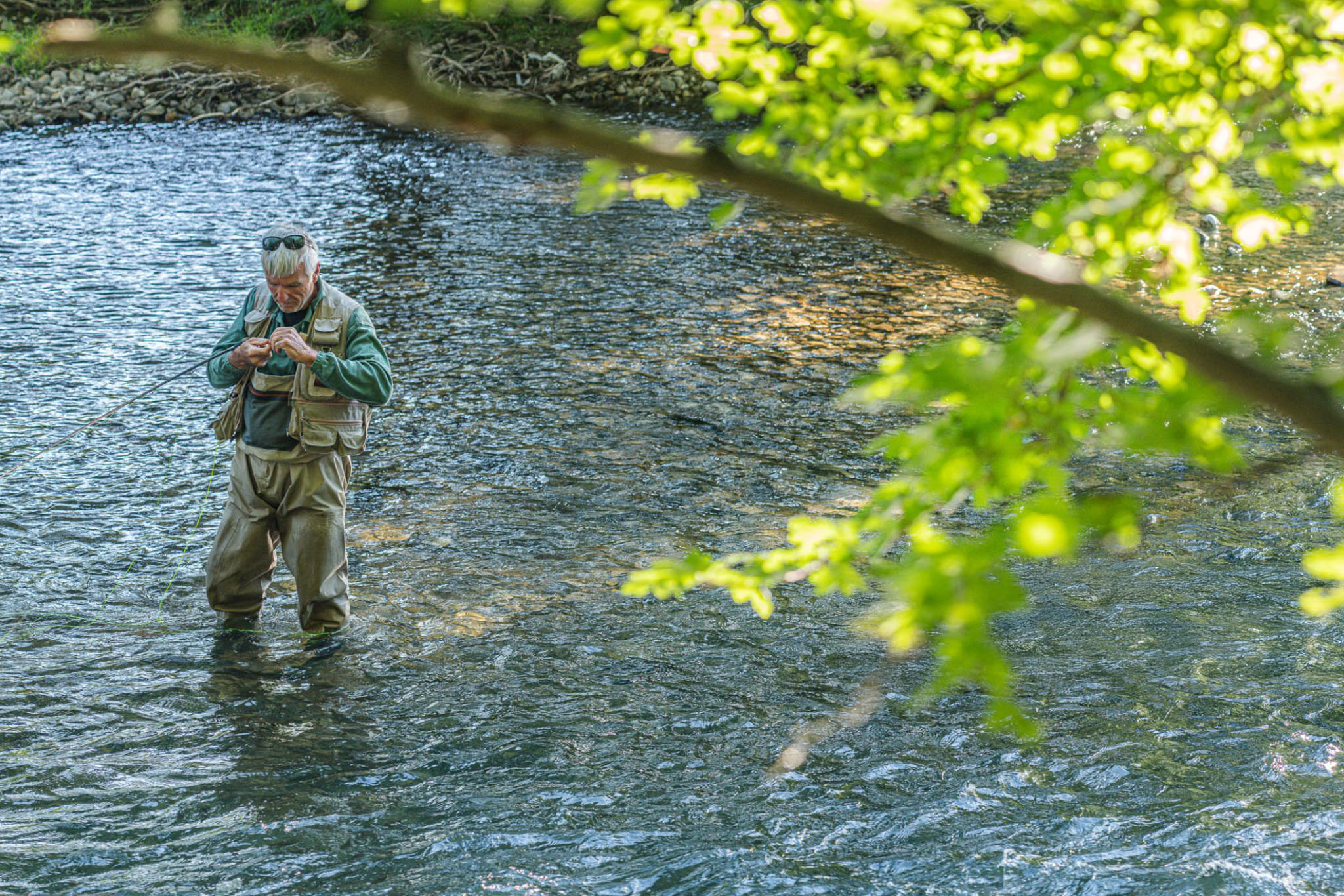
Early spring offers some of the most exciting fishing opportunities in the U.S.—but it also comes with unique challenges. Cold mornings, sudden rain showers, muddy banks, and fluctuating water levels make safety a top priority. Anglers who are prepared not only stay safe, but also maximize their fishing success. Here’s a comprehensive guide to staying warm, dry, and prepared during spring fishing trips.
Understanding Spring Weather Risks
Early spring weather can change rapidly. Anglers often face:
- Cold temperatures in the morning that can lead to hypothermia if unprepared.
- Rain and runoff, which create muddy, slippery banks and rising water levels.
- Windy conditions, increasing chill factor and making casting or wading more challenging.
- Unpredictable currents in rivers and streams after snowmelt or rain events.
Recognizing these risks before heading out is the first step toward a safe and productive outing.
Dressing for Early Spring Fishing
Proper clothing can make or break a fishing trip in early spring:
1. Layering is Key
- Base layer: Moisture-wicking fabric keeps sweat away from your skin.
- Insulating layer: Fleece or lightweight synthetic jackets maintain body warmth.
- Outer layer: Waterproof, breathable shell protects from rain and wind.
2. Footwear
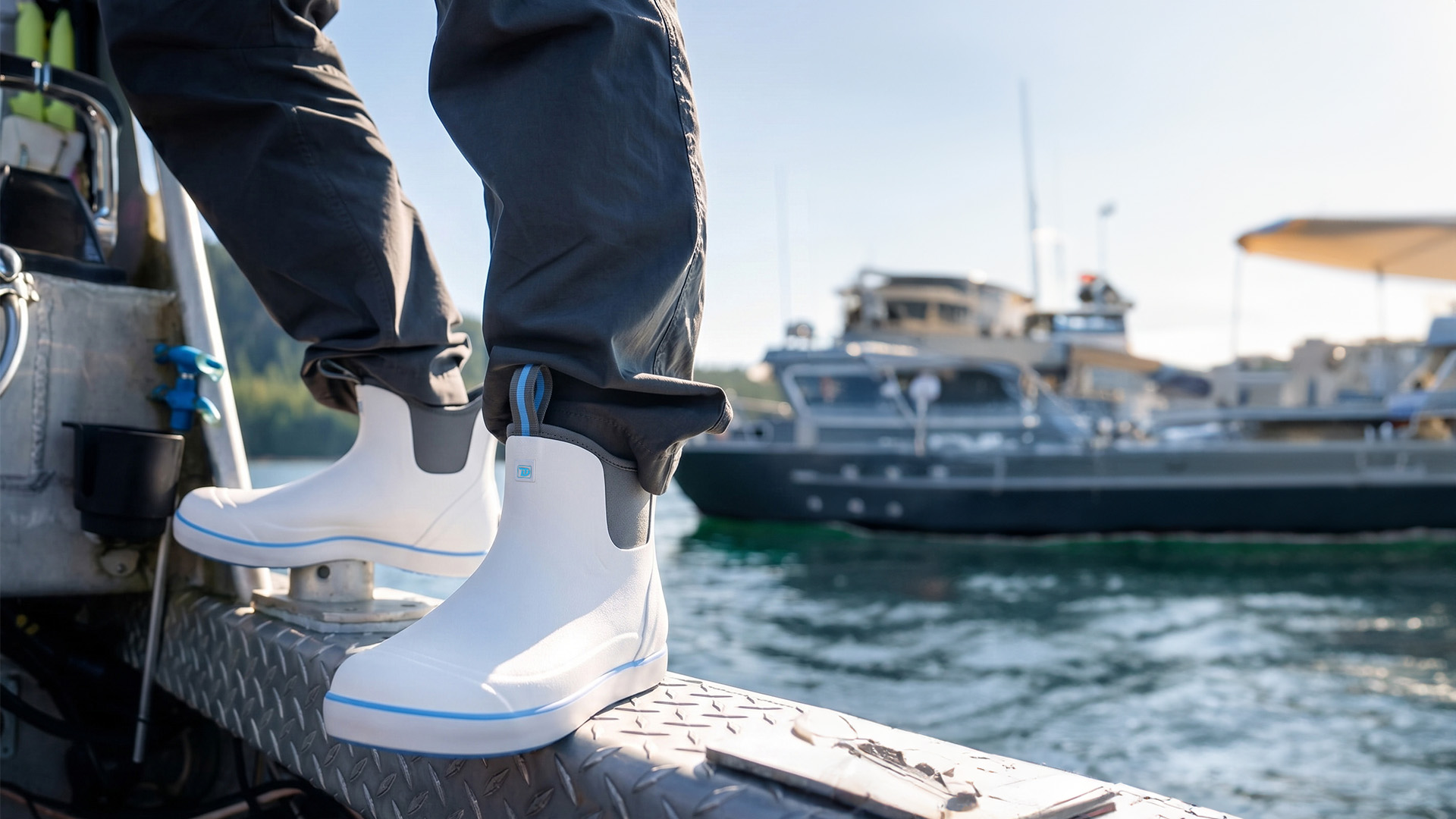
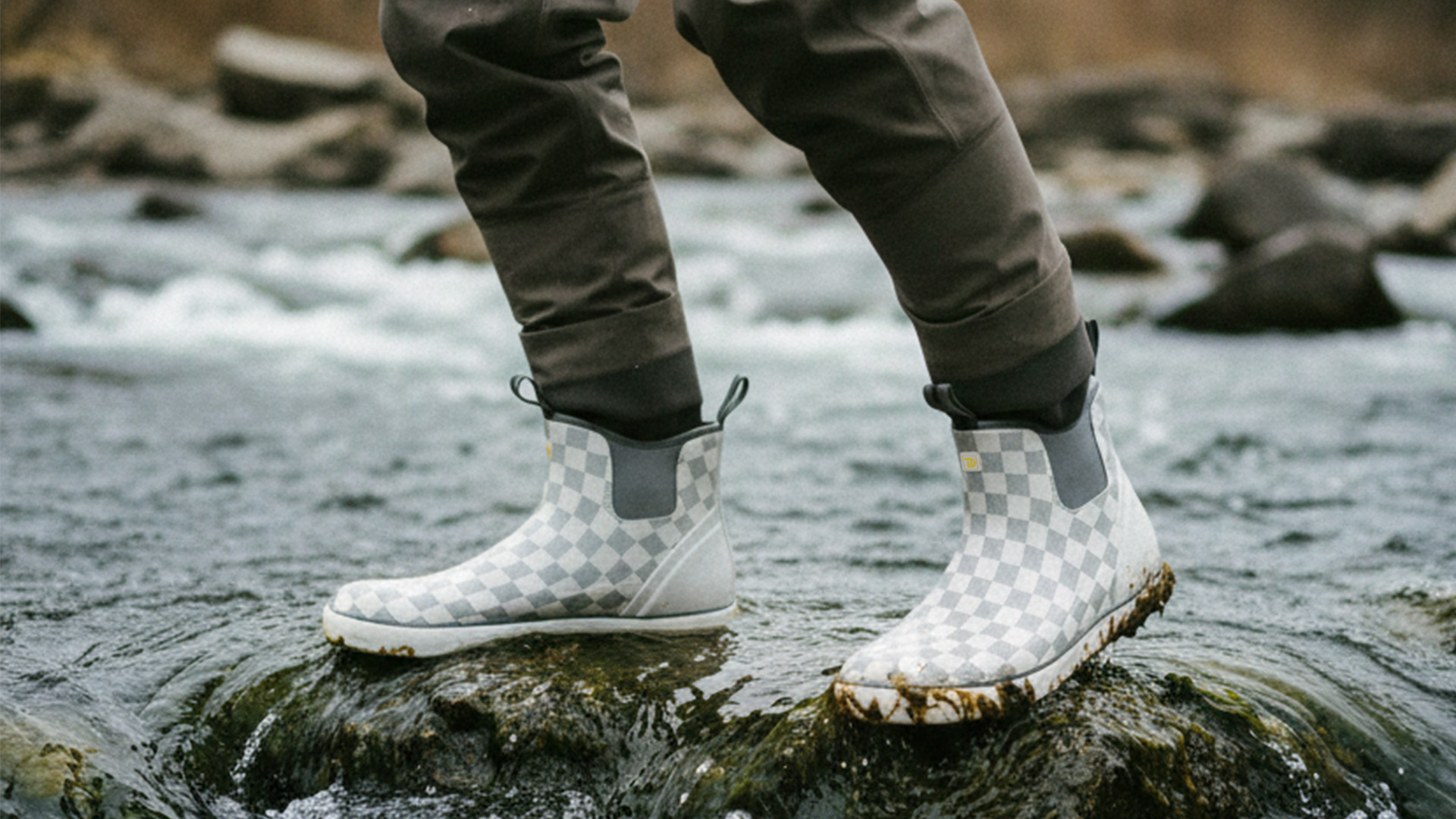
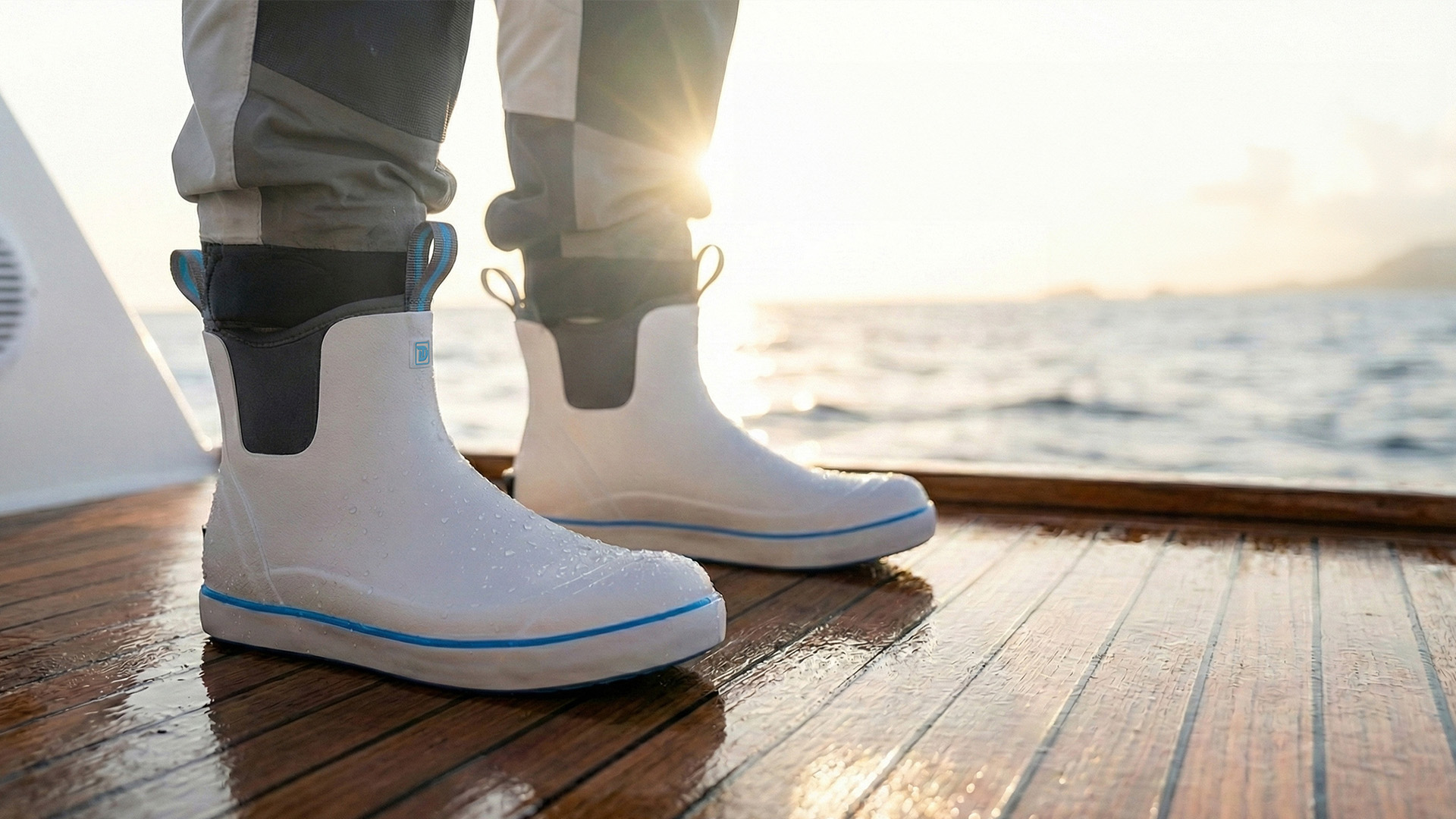
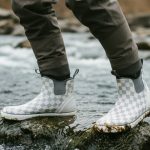
- Waterproof boots or waders with non-slip soles are essential for muddy banks or stream wading.
- Consider insulated waders for cold mornings to prevent foot discomfort or frostbite in extreme conditions.
3. Accessories
- Hats and gloves help retain heat, especially during early morning or windy conditions.
- Polarized sunglasses protect eyes, reduce glare, and help spot fish in shallow waters.
Safety Gear Every Spring Angler Should Have
- Life Vest or PFD
- Critical when wading in rivers, fishing from boats, or navigating flooded areas.
- Wading Staff
- Provides extra stability on slippery riverbeds or uneven terrain.
- Waterproof Bag
- Keeps phones, maps, snacks, and first aid supplies dry.
- Emergency Whistle
- Helps signal for assistance if stranded or injured.
- First Aid Kit
- Include bandages, antiseptic wipes, and blister care.
- Weather Updates
- Carry a portable weather radio or check apps frequently to avoid sudden storms.
Staying Dry and Comfortable
- Use waterproof outer layers and waders to avoid hypothermia.
- Bring extra socks and gloves in case your originals get wet.
- Set up gear on elevated or dry areas near the bank or launch point to keep tackle and clothing dry.
- Check wind direction: Position yourself to avoid getting wet from splashing water while casting or landing fish.
Wading and Water Safety
- Always test depth and current strength before stepping into rivers or streams.
- Use a wading staff or sturdy stick for stability on unseen obstacles.
- Never wade alone—bring a buddy if possible, or let someone know your location.
- Stay aware of rapidly changing water levels after rainfall or snowmelt.
Handling Fish Safely
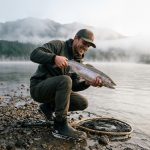
- Wet your hands before handling fish to protect their slime coat.
- Use forceps or pliers to remove hooks safely.
- Release fish promptly to reduce stress, especially in cold water where recovery is slower.
Food, Hydration, and Energy
- Cold weather can increase calorie burn—pack high-energy snacks like nuts, jerky, and energy bars.
- Stay hydrated, even if it’s chilly; cold weather can mask dehydration risk.
- Bring hot beverages in a thermos for comfort and warmth during long sessions.
Planning and Preparation
- Scout Locations in advance to identify hazards like muddy banks, submerged logs, or fast-flowing sections.
- Check water levels and local advisories before fishing rivers or lakes.
- Have a backup plan if weather deteriorates or water conditions become unsafe.
- Keep communication devices charged and stored in waterproof bags.
Common Mistakes to Avoid
- Ignoring weather forecasts: Sudden rain or temperature drops can create dangerous conditions.
- Overestimating water stability: Rivers can rise quickly in early spring; wading without caution is risky.
- Insufficient clothing: Being underdressed for early spring conditions leads to cold stress and fatigue.
- Skipping hydration and snacks: Energy drops affect focus, reaction time, and safety.
Final Thoughts
Early spring fishing offers some of the most rewarding opportunities of the year—but it requires careful preparation. Staying warm, dry, and equipped ensures a safe outing, allows you to fish longer, and increases your chances of landing early-season fish. By combining proper clothing, safety gear, hydration, and smart planning, anglers can enjoy both the thrill of early spring fishing and peace of mind knowing they are prepared for the challenges of changing weather and post-winter waters.