

Early spring rivers and streams present a unique challenge for anglers. Melting snow and spring rains increase flow, creating fast, cold currents that influence fish behavior. Many anglers focus on structure or popular fishing holes, but the real secret to catching more fish lies in reading the currents. Understanding how water moves, where it slows, and how fish use these pockets can turn slow days into productive ones.
Why Currents Matter in Early Spring
Currents dictate fish location and activity because:
- Energy conservation: Cold-water fish expend more energy in flowing water. They seek slow-moving areas to ambush prey.
- Food delivery: Fast currents transport insects, crustaceans, and baitfish, creating feeding lanes.
- Thermal preference: Fish often hold in slightly warmer micro-pockets created by currents against obstacles.
By observing currents, anglers can predict where fish are waiting and how they will strike.
Key Current Features to Watch
1. Eddies and Backwaters
- Areas behind rocks, logs, and bends create pockets of reduced flow.
- Fish hide in these spots, conserving energy while intercepting drifting prey.
- Cast slightly upstream and let your lure drift naturally into the current break.
2. Seams and Flow Lines
- Flow lines mark transitions between fast and slow water.
- Trout, bass, and panfish often patrol these seams to ambush prey moving in the current.
- Look for subtle differences in water texture, ripples, or foam lines to locate seams.
3. Drop-offs and Pools
- Deeper sections at the edge of current breaks act as winter refuges for trout and bass.
- Rising water in early spring often connects these pools to shallow flats, creating travel corridors for feeding fish.
4. Confluences
- Where a tributary meets the main river, currents converge and bait accumulates.
- Predatory fish patrol these junctions, waiting for easy meals.
Choosing Lures and Presentations for Currents
Soft Plastics
- Worms, grubs, or creature baits work well in slow-water pockets.
- Use light weights or Texas rigs to let them drift naturally along eddies.
Crankbaits and Blade Baits
- Perfect for seams or faster-flowing sections.
- Slowly retrieve with pauses to mimic struggling prey in the current.
Flies for Fly Fishing
- Weighted nymphs or streamers drift along seams and undercut banks.
- Indicator nymphing in eddies is effective for detecting subtle strikes.
Topwater (for calmer pockets)
- Use poppers or stickbaits in backwaters where surface feeding occurs.
- Small twitches and pauses are more productive than aggressive retrieves in cold water.
Timing and Observation Tips
- Morning low-light: Fish may hold deeper near current edges until the sun warms shallow areas.
- Midday: Shallow flats adjacent to currents often heat faster, drawing active fish.
- After runoff spikes: Fish may temporarily retreat to calmer pockets or eddies; look for subtle surface disturbances.
Common Mistakes to Avoid
- Casting randomly: Without reading currents, you may miss holding fish entirely.
- Ignoring slower water pockets: Active fish often hug slow-flowing areas near fast water, not in the center of the current.
- Overworking lures in strong flow: In early spring, fish are cautious; slow, subtle presentations work best.
- Failing to observe water temperature: Fish may shift micro-locations depending on sun exposure or tributary inflows.
Safety Considerations
Early spring rivers can be unpredictable:
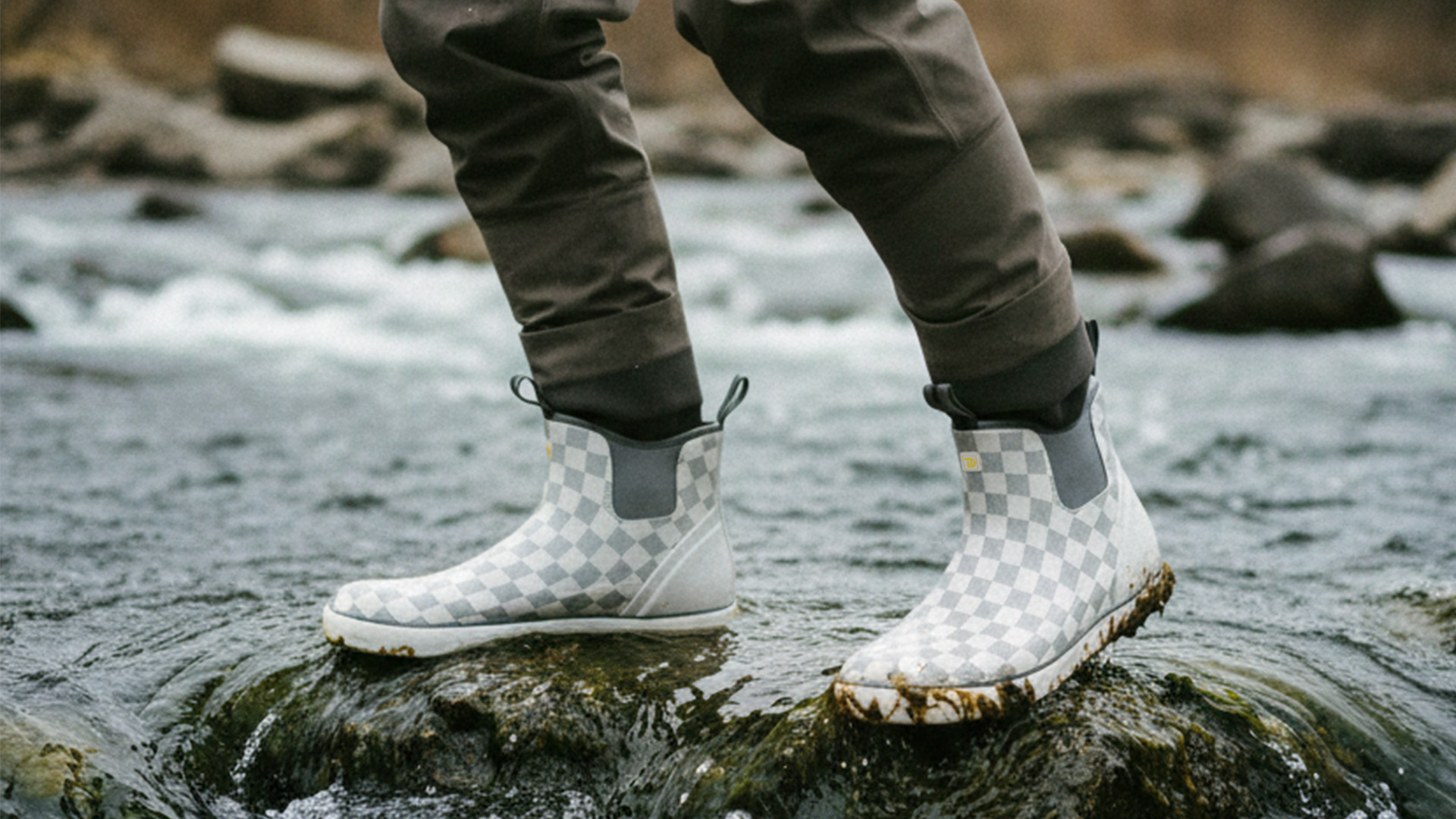
- Avoid wading in fast, swollen currents; use waders with secure boots.
- Always scout riverbanks and avoid unstable, muddy edges.
- Keep gear organized and secure, especially when fishing near submerged logs or debris.
Final Thoughts
Early spring currents are both a challenge and an opportunity. By learning to read water, anglers can locate holding areas, feeding seams, and travel corridors where fish are most likely to strike. Success in cold spring rivers is less about covering water and more about strategic positioning, subtle presentations, and understanding how fish use currents. Observing the flow carefully and adjusting your tactics accordingly will maximize your catch during one of the most rewarding—and often overlooked—times of the year.