


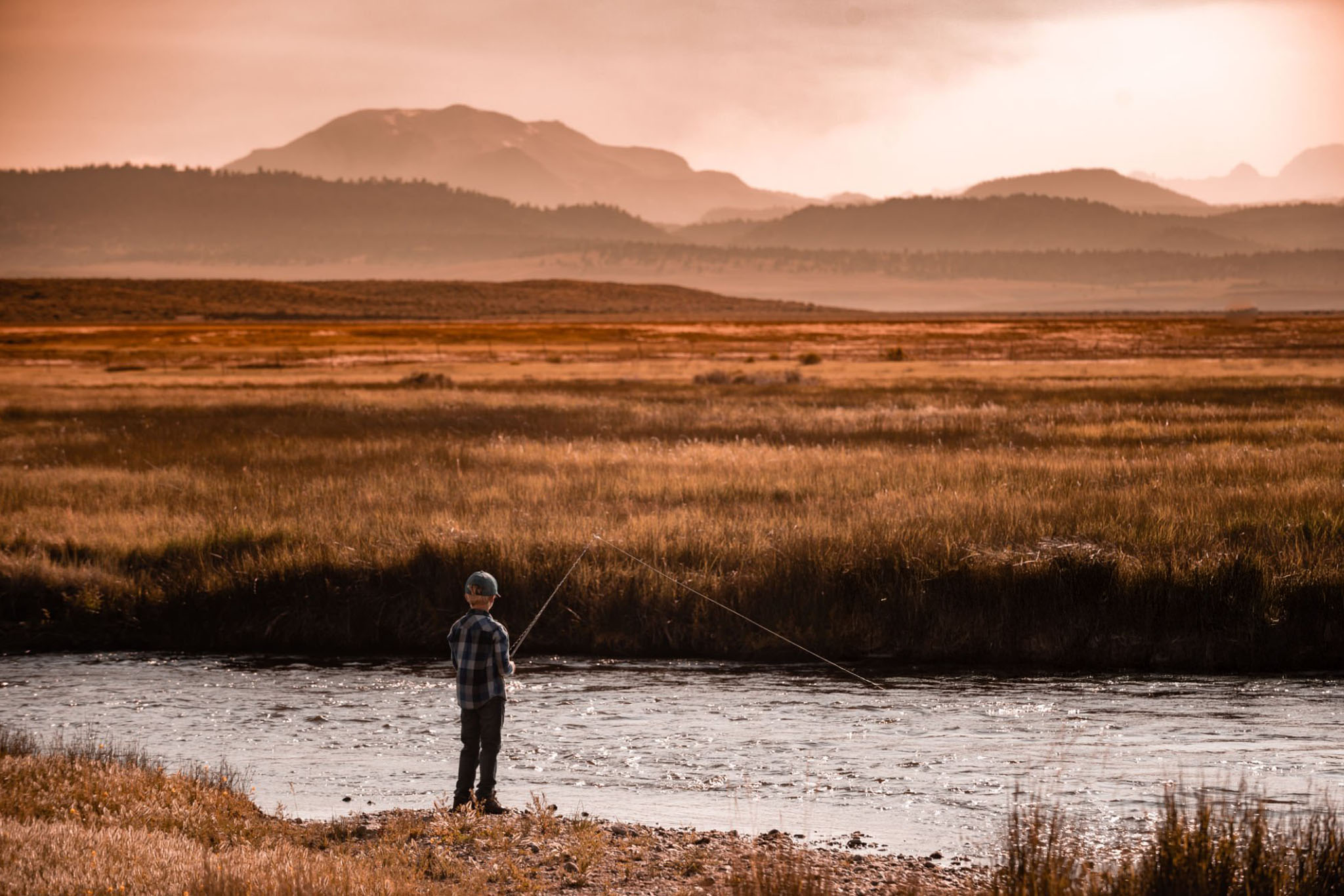
Spring is one of the most dynamic times to fish lakes in the U.S. As ice melts and water temperatures rise, fish begin moving from their deep wintering spots toward shallower feeding areas. However, determining the right depth to fish can make the difference between an empty stringer and a productive day. Understanding how spring conditions influence fish depth is key to early-season success.
How Spring Changes Lake Fish Behavior
During early spring:
- Water temperatures vary by depth: Shallow flats warm faster, attracting feeding fish, while deeper water remains cold.
- Fish are still sluggish: Cold water slows metabolism, making fish less likely to chase fast-moving lures.
- Baitfish movement dictates predator depth: Predators follow prey, which often move into warming shallow areas first.
Knowing how fish respond to these conditions lets anglers adjust depth choices strategically.
Shallow Water Fishing: When and Why It Works
Benefits of Targeting Shallow Flats
- Early warming: Shallow water absorbs sunlight quickly, increasing activity.
- Access to spawning areas: Some species, like largemouth bass and crappie, move toward shallow areas for pre-spawn behavior.
- Easier sight fishing: Clear spring water allows anglers to spot active fish.
Key Techniques
- Soft plastics and finesse baits: Worms, grubs, and small creature baits fished slowly along submerged vegetation or rocky flats.
- Topwater lures: When the sun warms shallow flats, suspending jerkbaits or small poppers trigger strikes.
- Slow trolling or drifting: Cover more area while presenting lures near the surface.
Signs to Look For
- Bubbling water or fish breaking the surface
- Vegetation just under the surface starting to green
- Baitfish schools moving into coves or near banks
Deep Water Fishing: When It’s Still Productive
Why Fish Stay Deep
- Cold, early spring water keeps some species, like walleye and trout, in deeper pockets.
- Deeper areas provide stable temperatures and protection from wind.
- Fish in deep water may be more concentrated, making them easier to target with precise presentations.
Effective Deep-Water Tactics
- Jigging: Drop-shot rigs, tungsten jigs, or weighted soft plastics along deep points.
- Suspending crankbaits: Effective when trolling deeper ledges or drop-offs.
- Slow trolling: Use spoons or blade baits along thermoclines or deep flats.
How to Locate Deep Fish
- Use depth finders to identify drop-offs, submerged structures, and deep channels.
- Look for temperature breaks; fish often hold at the edge of warmer pockets.
- Observe where baitfish congregate; predators follow.
Transition Zones: The Sweet Spot
Early spring often creates intermediate depths that are highly productive:
- Areas between deep winter holes and warming shallow flats
- Ledges, humps, and submerged points that fish use as highways
- Spots with moderate current or water flow, concentrating prey
Targeting these transition zones can produce multiple species on the same outing.
Factors Influencing Depth Choice
- Water temperature: Fish follow comfortable temperature ranges. Measure shallow and deep water before choosing lures.
- Weather conditions: Sun warms shallow flats; overcast or windy days push fish deeper.
- Species behavior: Bass may move shallow first, while trout or walleye linger deep longer.
- Time of day: Early morning may favor deeper, protected areas; midday sun can draw fish shallower.
Gear and Presentation Tips
- Rods: Medium-light to medium action for finesse and sensitivity.
- Reels: Smooth spinning reels for soft plastics; baitcasting for heavier presentations.
- Line: 6–12 lb fluorocarbon or braided line depending on depth and cover.
- Electronics: Depth finders or fish finders help locate thermoclines, ledges, and baitfish.
Common Mistakes to Avoid
- Assuming all fish move shallow at first sight of warm weather: Not all species react the same way.
- Overworking lures in cold water: Slow presentations are more effective early in the season.
- Ignoring structure: Depth alone doesn’t guarantee strikes—look for rocks, logs, and vegetation.
- Fishing in windy, murky shallow water without adjusting lure choice: Visibility matters; bright or flashy lures often outperform natural colors in low-clarity conditions.
Final Thoughts
Choosing the right depth in spring lakes requires observation, patience, and flexibility. Early shallow flats can provide hot action on sunny days, while deeper pockets hold cautious fish and early-season predators. Transition zones between shallow and deep areas often hold the most promise. By matching depth to temperature, structure, species behavior, and weather, anglers can maximize their early spring success and enjoy one of the most rewarding periods of the fishing season.