

Spring in the U.S. is a magical time for anglers. As ice retreats and rivers and lakes begin to awaken, fish emerge from winter sluggishness, creating incredible opportunities for those who know where to look and how to fish. Early spring fishing, however, is not just about showing up with a rod — it requires understanding cold water conditions, fish behavior, and effective tactics. In this article, we break down how American anglers maximize their success during the first weeks of spring.
Why Early Spring Fishing Is Special
The first weeks of spring are unique because fish are just starting to transition from their winter lethargy. Cold water slows down metabolism, meaning fish:
- Are less aggressive and move less.
- Prefer shallow, sun-warmed areas during warmer parts of the day.
- Require a slower, more subtle approach when presenting bait or lures.
Despite these challenges, “cold water, big bites” often rewards patient anglers with catches they might not see during the busy summer months.
Understanding Fish Behavior in Cold Water
Bass
- Largemouth and smallmouth bass remain near structures such as submerged logs, rocks, and ledges.
- On warmer, sunny afternoons, they venture into shallow flats to feed on minnows or emerging insects.
- Slow presentations like soft plastics, jigs, or suspending jerkbaits are most effective.
Crappie and Panfish
- Early spring crappie begin moving toward spawning areas but remain in deeper pockets during colder days.
- Panfish respond best to vertical jigging, small soft plastics, or live minnows.
- Focus on subtle presentations; heavy, fast-moving lures rarely trigger bites in cold water.
Trout
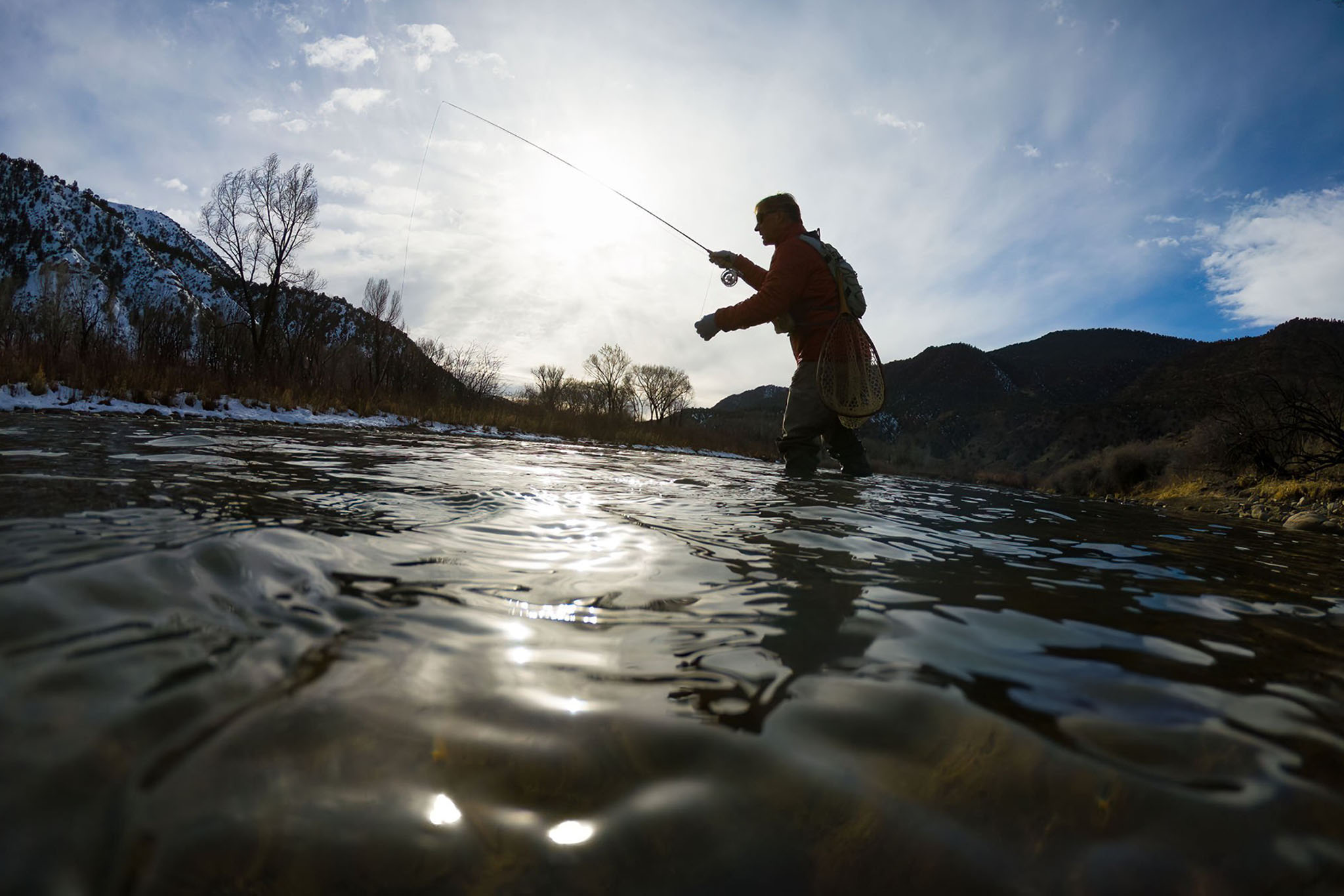
- In rivers and streams, trout become active as water temperatures rise slightly above 40°F (4–5°C).
- Anglers target riffles, pools, and areas with slightly faster-moving water where oxygen levels are higher.
- Dry flies, nymphs, and small streamers work best during early spring.
Catfish
- Catfish seek slightly warmer water pockets in deep holes or slow bends.
- Early spring anglers use cut bait, live shad, or stink baits.
- Fishing during night or twilight can yield better results as catfish become more active.
Key Locations for Early Spring Fishing
- Shallow Bays and South-Facing Banks
- Sunlight warms these areas first, attracting feeding fish.
- Tributaries and Confluence Zones
- Warmer inflows into rivers or lakes act as fish magnets.
- Flooded Structures
- Snowmelt or early spring rains often inundate vegetation, fallen trees, and docks, providing ideal cover.
- Mid-Depth Drop-offs
- Fish often hover near depth transitions, ready to ambush prey as the water warms.
Pro Tip: Early spring fishing success is often determined by choosing the right location at the right time of day, rather than purely relying on tackle.
Effective Lures and Baits for Cold Water
Because fish are sluggish in the first weeks of spring, slower, more natural presentations are essential.
- Jigs and Soft Plastics: Worms, grubs, and creature baits fished along the bottom work best.
- Suspending Crankbaits: Ideal for bass or larger panfish that don’t chase actively.
- Live Bait: Minnows, nightcrawlers, and shiners remain highly effective.
- Subtle Colors and Light Lines: In cold, clear water, soft and natural tones outperform bright, flashy lures.
Bonus Tip: Make your movements deliberate. Dragging, hopping, or twitching slowly often triggers strikes when fish aren’t actively chasing prey.
Gear and Preparation
Early spring conditions require more than just the right bait:
- Rod & Reel: Medium-light to medium action rods with smooth drag systems work best.
- Line: 6–12 lb fluorocarbon or monofilament, depending on target species.
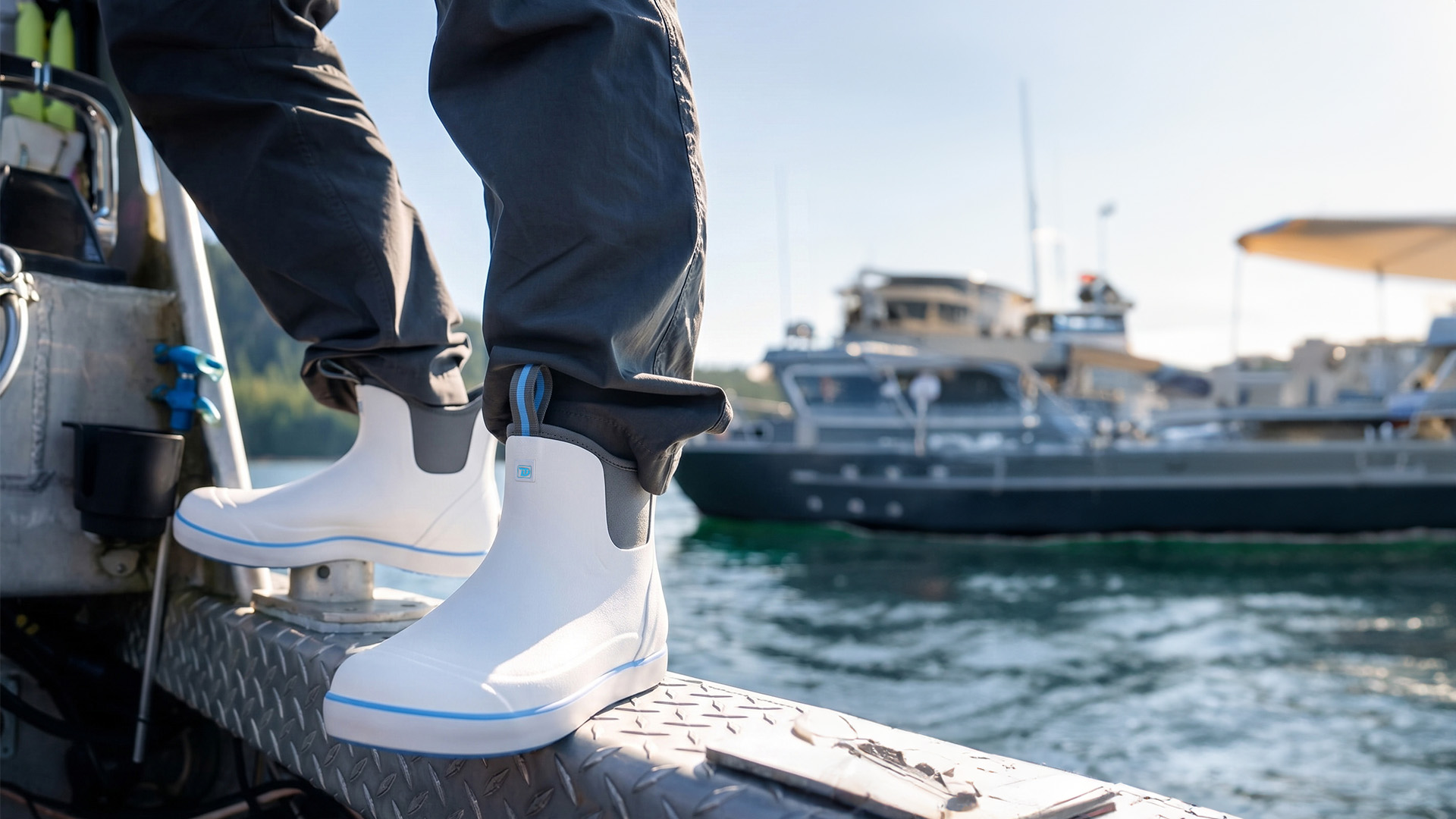
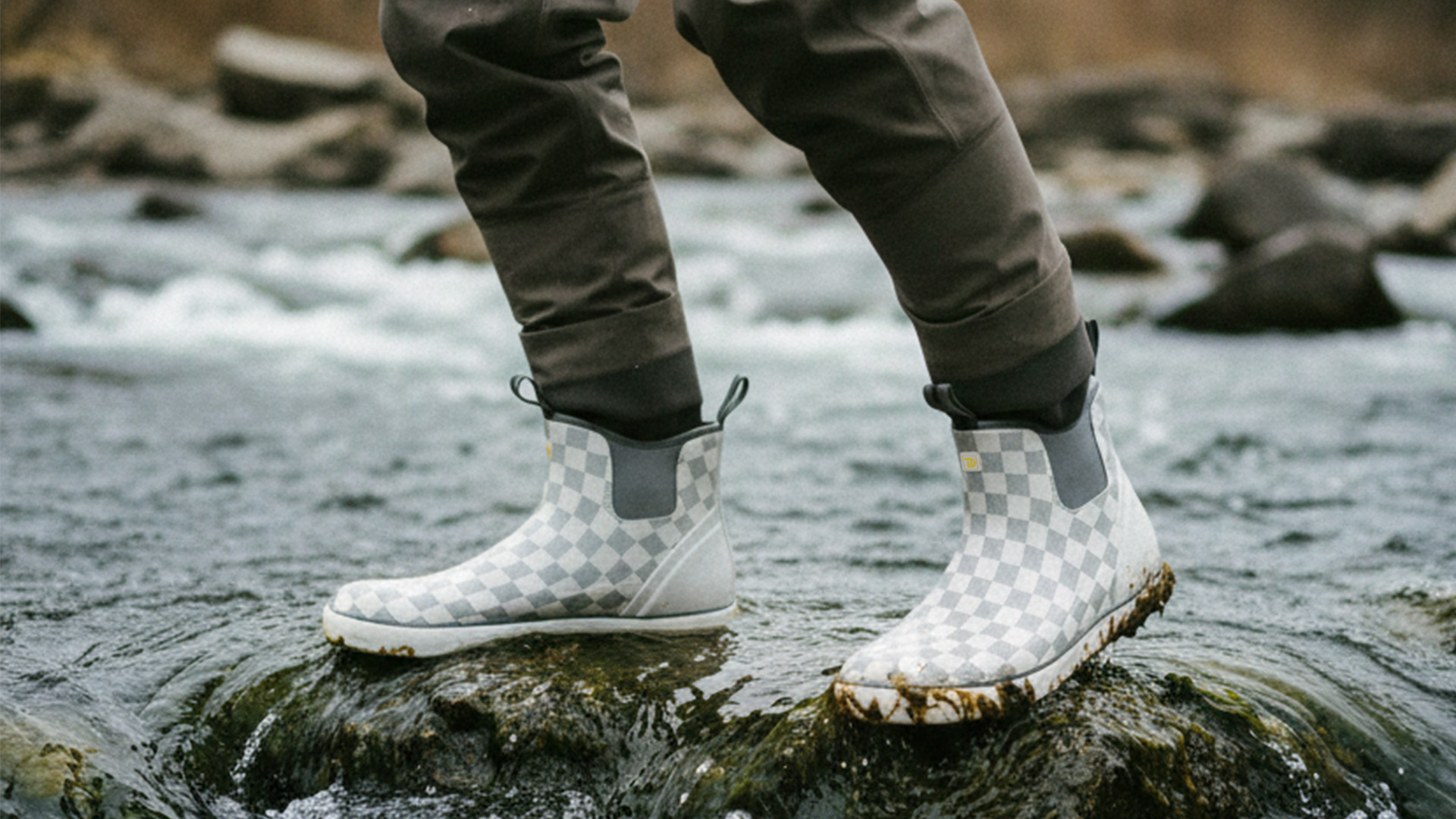
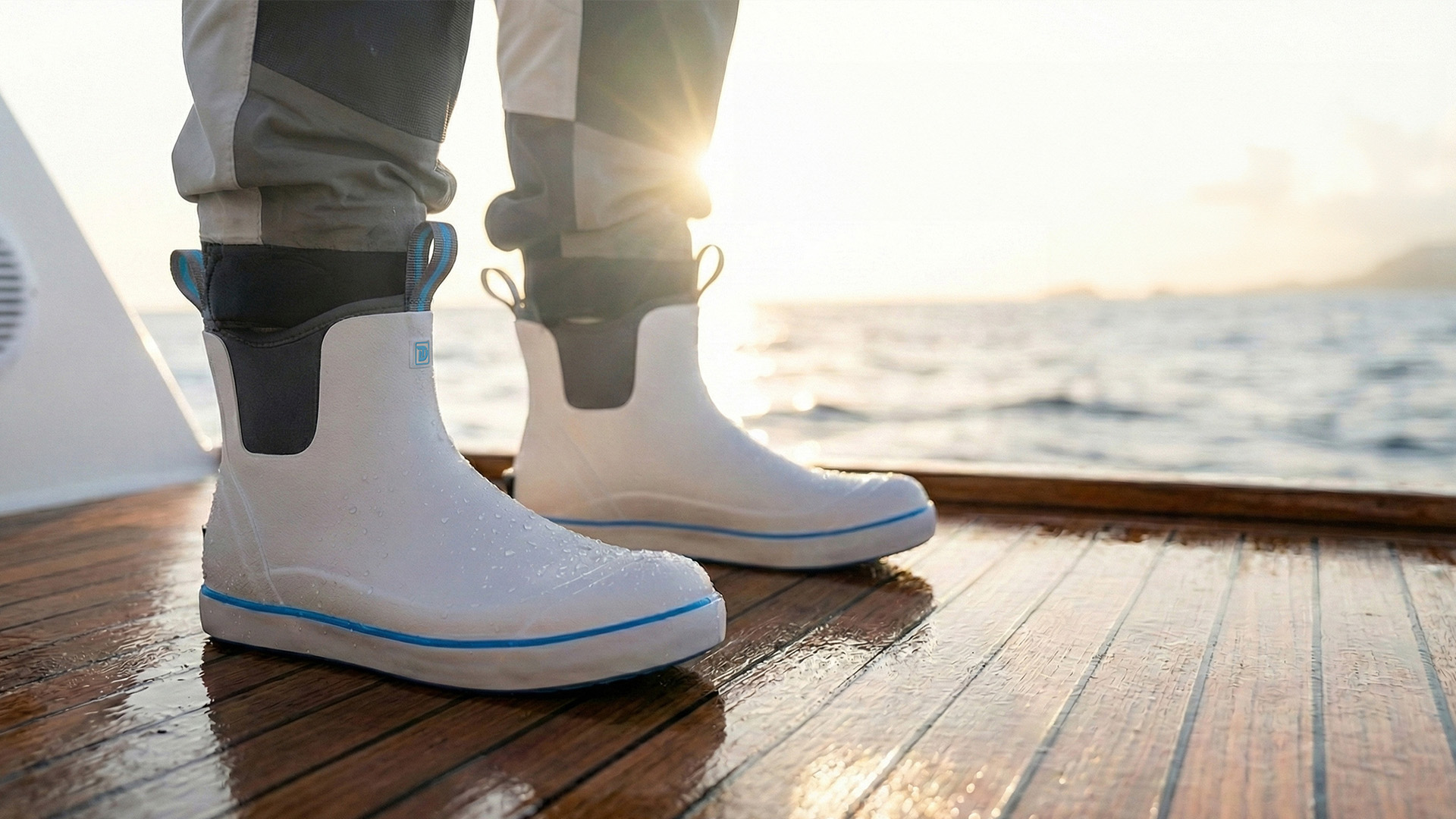
- Clothing: Layered clothing and waterproof boots, like deck boots or rain boots, keep you warm and dry on muddy banks.
- Extras: Polarized sunglasses help locate fish in shallow waters, and a thermos with hot drinks keeps you comfortable during chilly mornings.
Timing and Tactics
- Morning: Fish are sluggish; target sunlit, shallow spots to entice bites.
- Midday: Water warms slightly, and fish may move toward feeding areas.
- Afternoon: Fish often become more active, providing the best opportunity for catching bigger fish.
Anglers often combine location knowledge with weather and water temperature monitoring to maximize early spring success.
Safety Considerations
- Cold water increases the risk of hypothermia. Always wear layered, waterproof clothing.
- Muddy banks can be slippery — high-traction boots are essential.
- Watch for rapidly rising water due to snowmelt or spring rains. Always check local fishing reports before venturing out.
Final Thoughts
The first weeks of spring provide some of the most rewarding fishing opportunities in the U.S. Cold water slows fish activity, but it also concentrates them in predictable areas. By understanding fish behavior, using subtle lures and baits, choosing the right locations, and timing your fishing trips carefully, you can turn early spring into a season of big bites and memorable catches.
Patience, preparation, and knowledge are the keys. Embrace the challenge of cold water, and you’ll find early spring fishing to be an exhilarating start to the new season.