


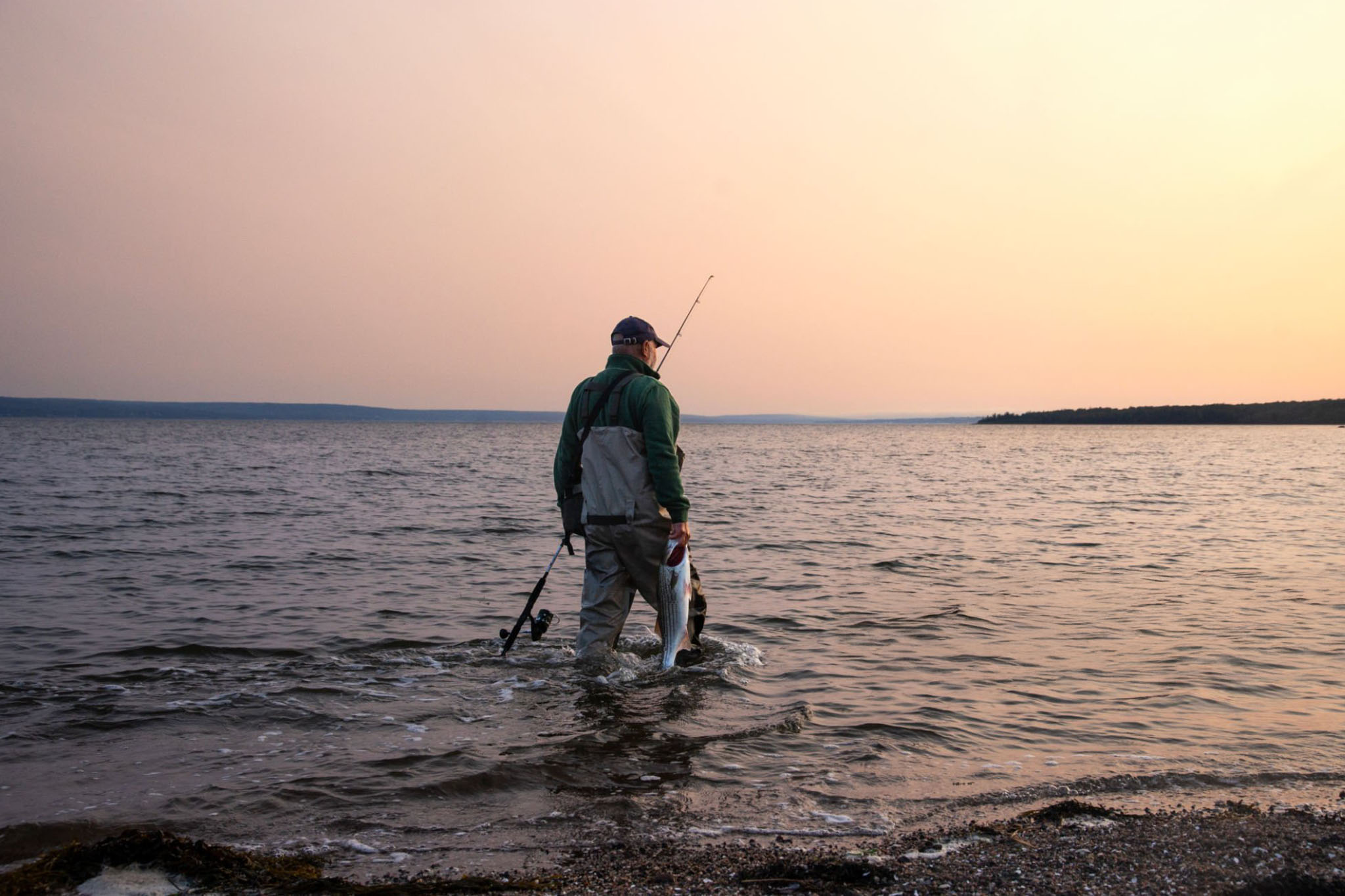
Spring is finally creeping across the U.S., and anglers everywhere know that the early spring season is one of the most exciting and challenging times to fish. As the ice melts and waters begin to warm, fish start moving, feeding patterns change, and opportunities open up for those ready to adapt. But what actually works during these early spring fishing days? In this guide, we’ll break down strategies, tackle choices, and locations that can help American anglers make the most of early spring fishing.
Understanding Early Spring Water Conditions
One of the key things to know about early spring fishing is that water temperatures are still low. Across the northern states, lakes and rivers may only be hovering around 40–50°F (4–10°C). Even in the southern states, water is just beginning to feel spring warmth. Fish metabolism is slower in cold water, which means they move less and are less aggressive.
Key tips for early spring water conditions:
- Focus on shallow areas with sunlight: Fish tend to seek slightly warmer waters, often near shallow bays, river edges, or south-facing banks.
- Look for moving water: Currents or areas where warmer tributaries meet main rivers often trigger feeding activity.
- Monitor water clarity: Early spring runoff can make rivers muddy. Clear-water pockets are often hotspots for bites.
Target Species and Their Behavior
Early spring fishing is all about knowing which species are active and where to find them:
1. Largemouth and Smallmouth Bass
Bass are slow to come out of winter dormancy. In early spring:
- They hang near deeper structures like logs, rocks, or drop-offs during colder days.
- On warmer, sunny days, they may venture to shallow flats for feeding.
- Use slow-moving lures like jigs, soft plastics, or suspending jerkbaits.
2. Crappie and Panfish
- Crappie often start moving toward shallow spawning areas.
- Early spring is perfect for under-the-boat vertical jigging with small jigs or live minnows.
- Keep casts short and precise; fish are sluggish and won’t chase far.
3. Trout
- In cold streams, trout activity increases as water warms slightly.
- Early morning and late afternoon are best for dry flies and nymph patterns.
- Focus on riffles and pocket water where oxygen levels are higher.
4. Catfish
- Catfish feed more actively in warmer water pockets near deep holes or slow current bends.
- Cut bait, stink bait, or live shad are effective.
- Night fishing often increases early spring catch rates.
Effective Lures and Baits for Early Spring
Choosing the right lure is crucial because fish metabolism is low, and aggressive strikes are rare:
- Jigs: Slow and natural movement works well in cold water.
- Soft Plastics: Worms, grubs, and creature baits fished slowly along the bottom.
- Suspending Crankbaits: Perfect for enticing sluggish bass.
- Live Bait: Minnows, worms, and cut bait remain highly effective for panfish and catfish.
Pro Tip: Use lighter lines and subtle presentation. Overly flashy lures often scare cautious early spring fish.
Where to Fish in Early Spring
Lakes
- Focus on south-facing shallow bays or sun-exposed coves.
- Fish near submerged structures such as fallen trees or rocky points.
Rivers
- Fish warmer tributaries or slower pools downstream of riffles.
- Muddy water can be productive if you focus on structure and edges.
Reservoirs
- Water levels are often high due to snowmelt; fish move to flooded vegetation and drop-offs.
- Fish during midday when the sun warms the water surface.
Gear and Tactics
- Rod & Reel: Medium-action rods with smooth drag work best for finesse presentations.
- Line: 6–10 lb monofilament or fluorocarbon; lighter lines for panfish, heavier for bass and catfish.
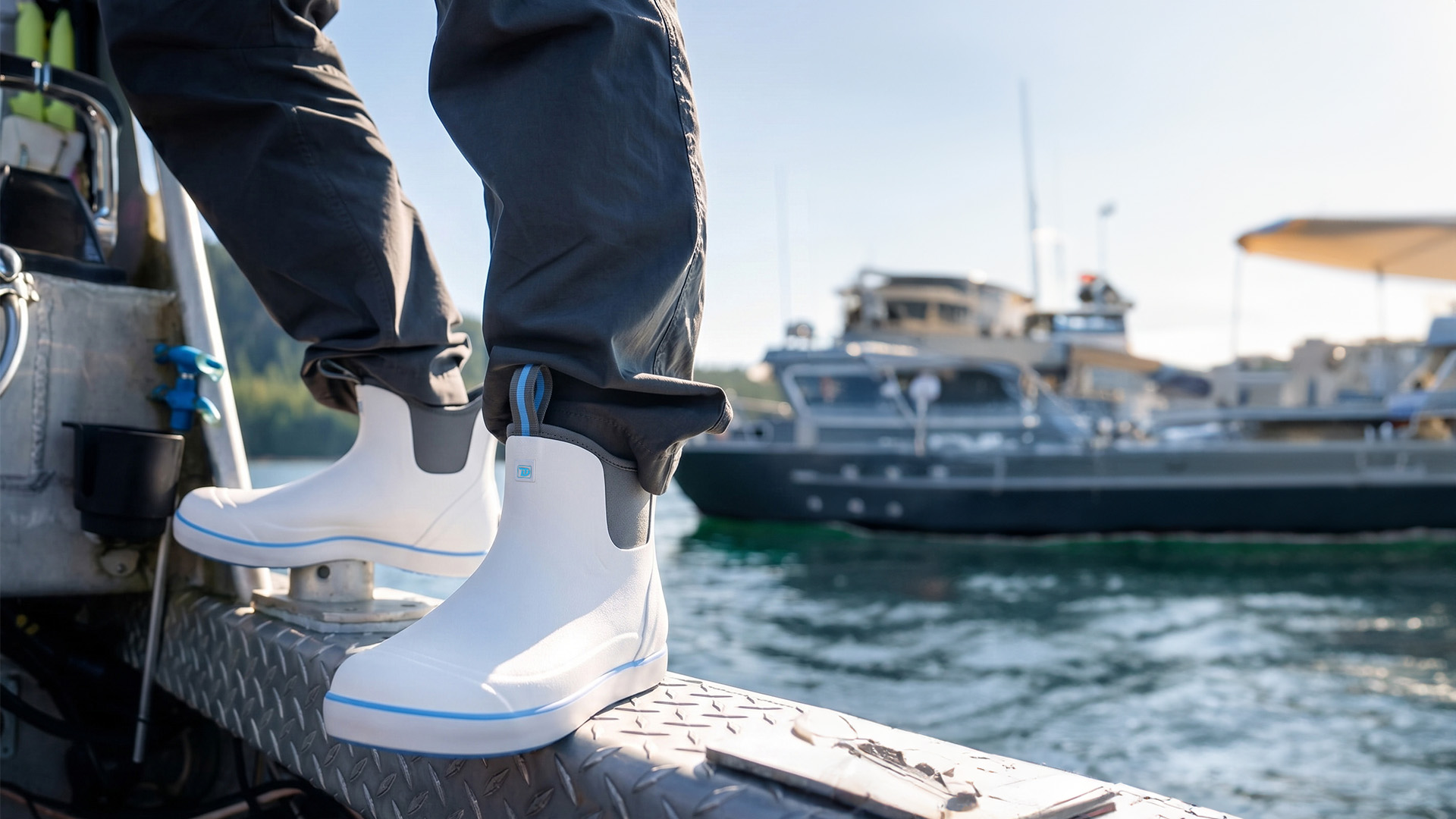
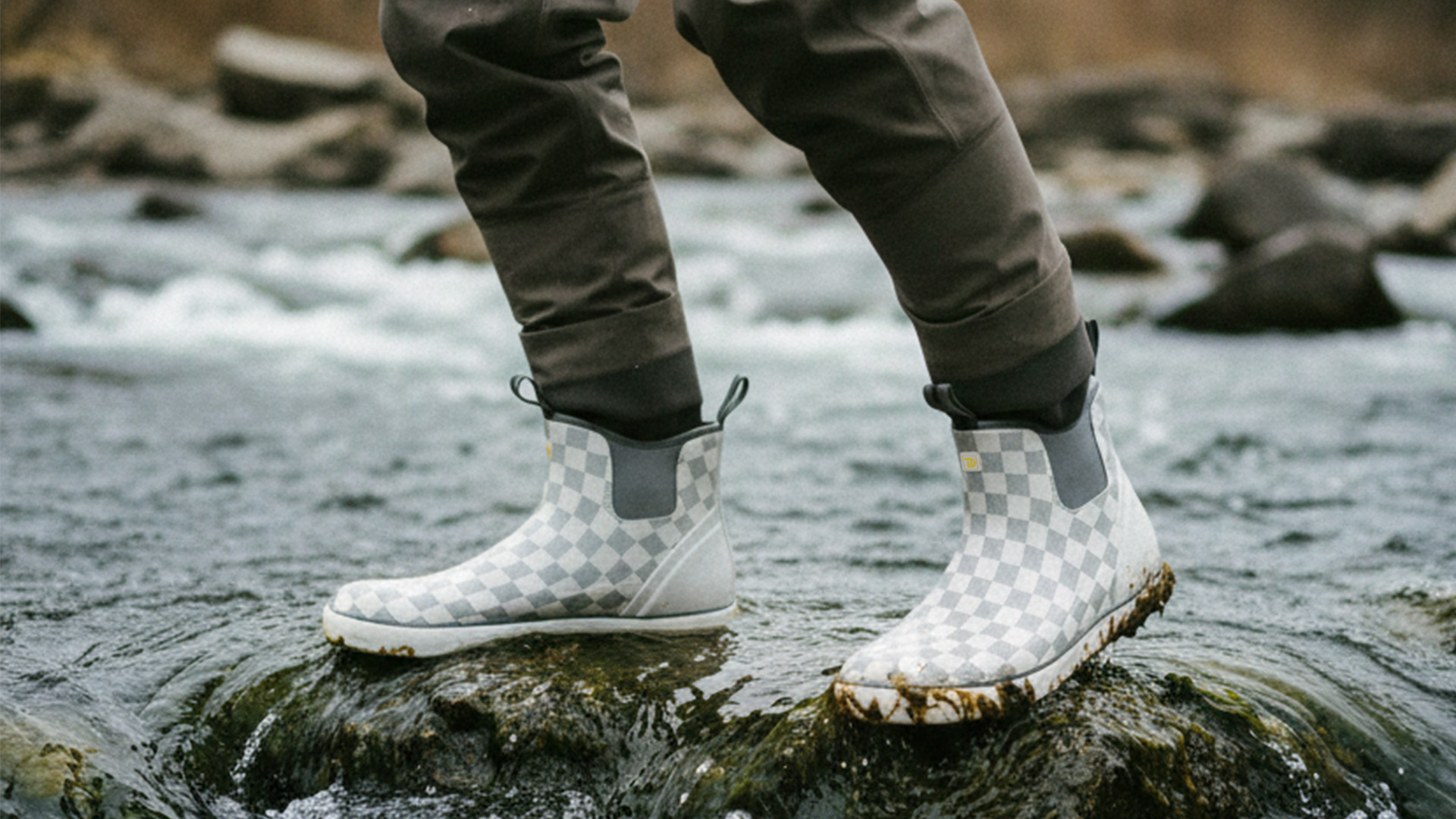
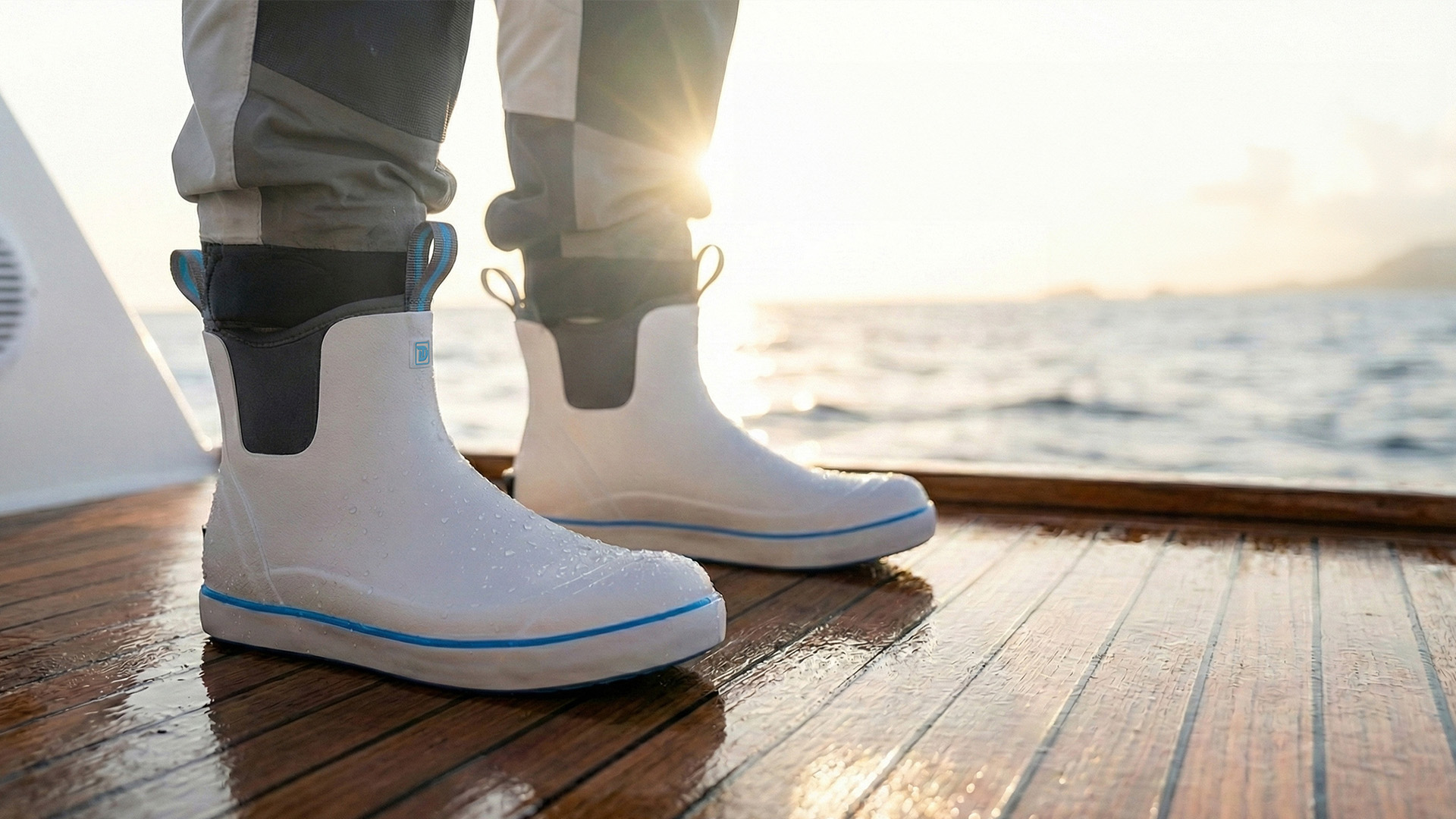
- Clothing: Layered clothing and waterproof boots (like deck boots or rain boots) are essential for cold, muddy banks.
Bonus Tip: Early spring fishing often requires patience and short, accurate casts. Fish are less aggressive, so finesse and location knowledge are key.
Timing Matters
- Early Morning: Fish are sluggish but may feed near slightly warmer spots.
- Midday: Sun can warm shallow areas, triggering more active feeding.
- Late Afternoon: Fish often move back to shallow feeding grounds before nightfall.
Tracking water temperature and weather patterns is essential. Even a small temperature increase of 3–5°F can dramatically improve bite rates.
Final Thoughts
Early spring fishing in the U.S. is a mix of strategy, patience, and observation. Success depends on understanding water conditions, fish behavior, and choosing the right gear and bait. By targeting the right species, fishing the sun-warmed or moving water, and slowing down your presentation, you can land some impressive catches even when the water is still cold.
Remember, early spring is a chance to get ahead of the crowds, enjoy quiet waters, and prep for the hot fishing season ahead. So grab your rods, dress for mud and chill, and hit the rivers and lakes — early spring rewards those who are prepared.