



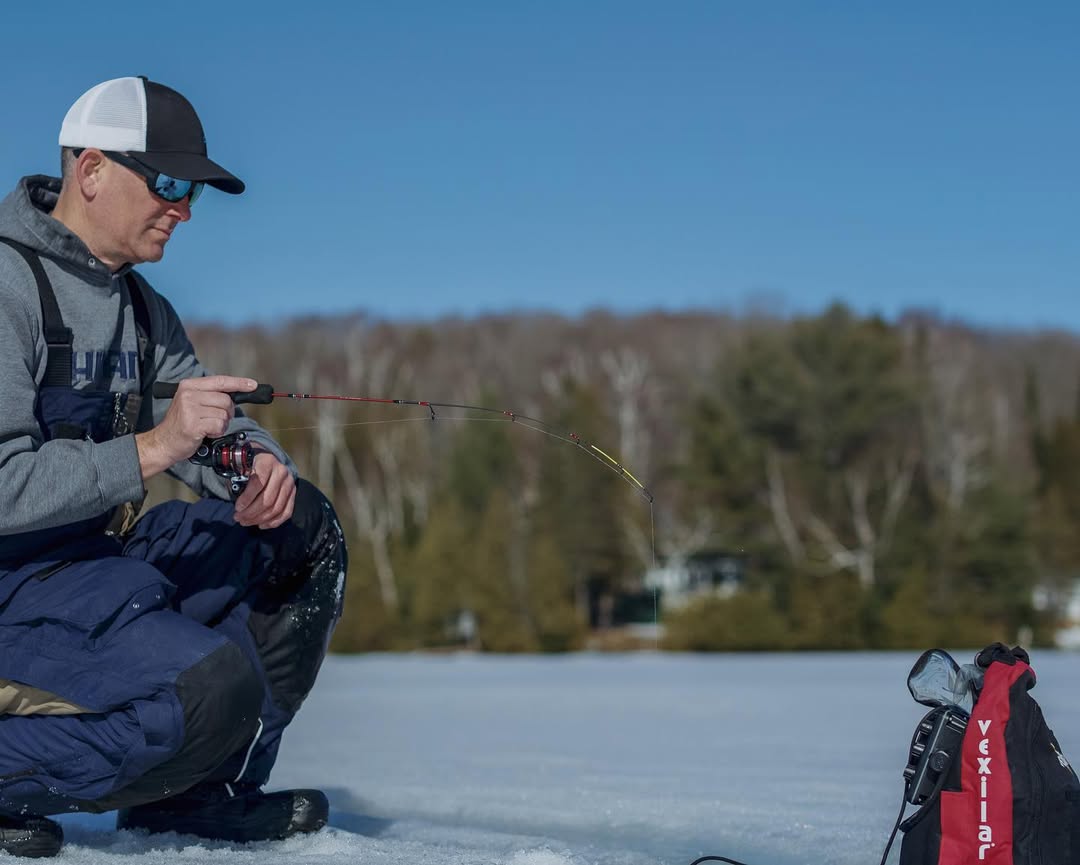
Winter fishing in the heart of January can feel slow and frustrating, especially when lakes and rivers appear lifeless. However, experienced anglers know that fish activity in midwinter is rarely random. One of the most overlooked factors influencing bites is the angle of the sun. Understanding how subtle shifts in sunlight affect water temperature, prey behavior, and fish metabolism can dramatically improve your midwinter catch rates.
The Science Behind Sun Angles and Fish Behavior
During the winter months, the sun’s path across the sky is lower and shorter than in the summer. This lower angle means sunlight penetrates water more obliquely, creating small thermal pockets rather than warming entire bodies of water evenly. These micro-warm zones attract baitfish and insects, which in turn draw predatory species like bass, pike, and walleye.
Fish in cold water conserve energy, meaning they won’t chase prey over long distances. Instead, they prefer to position themselves in areas where the subtle warmth increases metabolism just enough to stimulate feeding. Even a few degrees difference can determine whether fish are actively feeding or barely moving.
Identifying Midwinter Bite Windows
Timing is everything in January fishing. Unlike spring or summer, where fish may feed all day, winter fish are highly influenced by light and warmth. Bite windows often coincide with:
- Early to mid-morning: When the first rays of sunlight hit shallow bays or south-facing shorelines, fish become more active in these slightly warmed areas.
- Midday sun peaks: As the sun reaches its highest point, shallow flats and ledges warmed by sunlight may produce brief, intense feeding periods.
- Late afternoon: Similar to morning, but often shorter, as shadows lengthen and temperatures drop quickly.
Observing these subtle shifts can help you predict where fish will move and when they’ll strike, instead of blindly casting all day.
Reading Sunlight Patterns on the Water
To take advantage of midwinter bite windows, consider:
- South-Facing Banks and Flats: In January, areas exposed to southern sunlight often hold the first active fish of the day.
- Shallow Rocky Points: Rocks absorb heat and can create micro-thermal zones along their edges.
- Clearings in Dense Cover: Sunlight penetrating tree-covered rivers or ponds can trigger localized feeding activity.
Portable gear like polarized sunglasses and a fish finder can help you spot these subtle warming zones and adjust your positioning.
Techniques to Match Subtle Bite Windows
Once you identify the likely areas, adapt your fishing techniques:
- Slow Retrieval: In cold water, fish are lethargic. A slow, deliberate presentation increases your chances during short feeding windows.
- Smaller Baits: Tiny lures or live bait mimic the limited prey that are active in these thermal pockets.
- Short Casting Intervals: Since fish activity is concentrated, precise casts in sun-warmed micro-zones are more productive than covering wide areas.
Why Ignoring Sun Angles Can Cost You Bites
Many anglers fail in midwinter because they fish “the whole lake” without recognizing that fish congregate in tiny warm pockets influenced by sunlight. Missing these subtle environmental cues can turn a promising day into a fruitless outing, even in productive waters.
Final Thoughts
Midwinter fishing is a game of observation and patience. By understanding how subtle sun angles influence fish activity, you can maximize your success during the short bite windows of January. Whether targeting bass, walleye, or pike, recognizing these micro-thermal zones and adjusting your approach can turn slow days into memorable winter fishing experiences.