

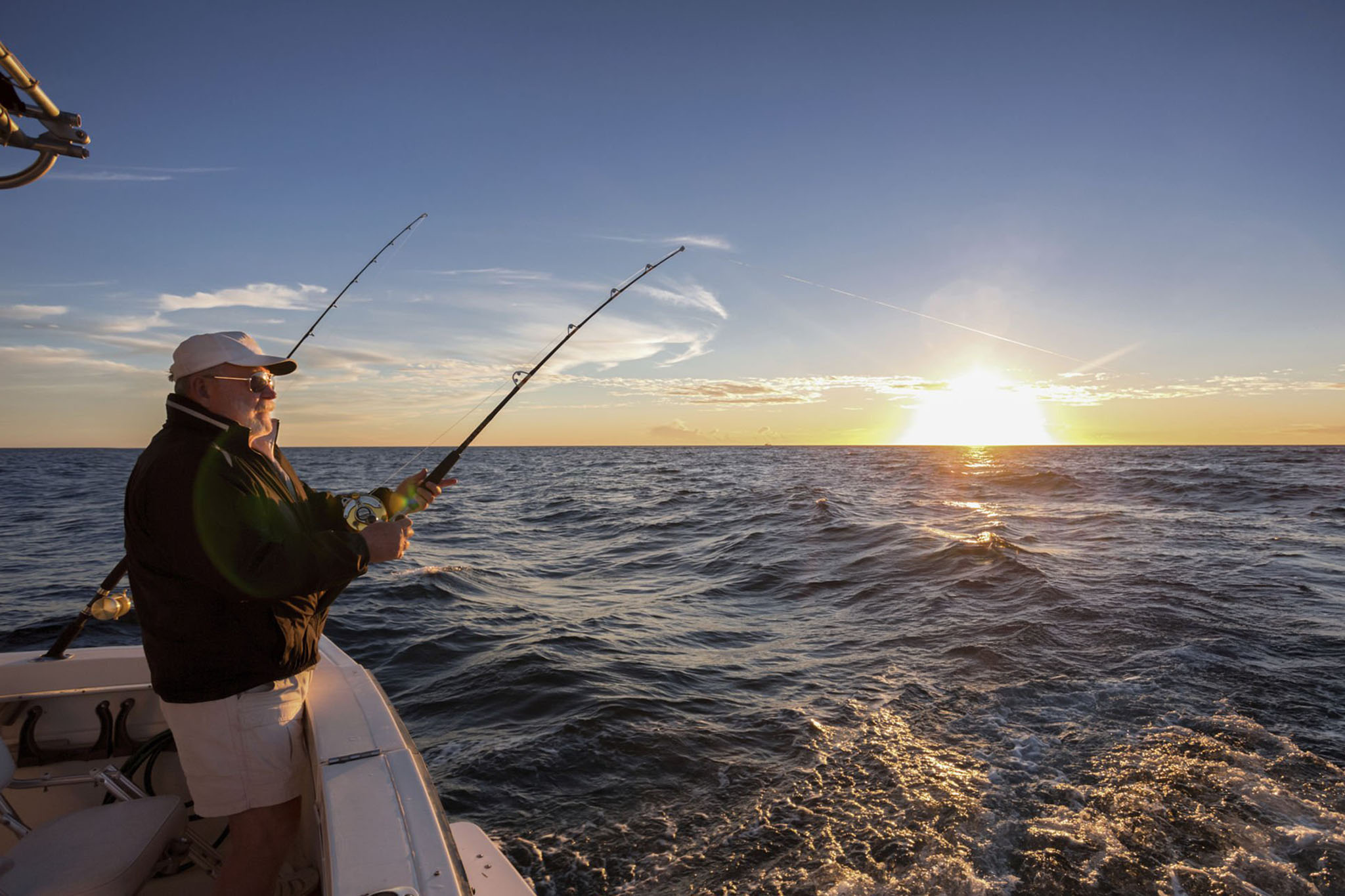
When water temperatures stop changing, most anglers keep doing the same thing: they move spots. They run banks, hop structure, and cover water horizontally, hoping to bump into active fish. In mid-winter, that approach often fails—not because fish aren’t there, but because they’re no longer thinking in terms of distance.
When water temperatures stall, fish shift their strategy from where to how high. Understanding how fish use vertical space during temperature lockups is one of the most overlooked winter advantages—and one of the fastest ways to turn slow days into productive ones.
What “Stalled” Water Temperatures Really Mean
A stalled temperature period usually happens after several days—or weeks—of stable cold. Whether it’s 33, 36, or 39 degrees, the key factor isn’t the number. It’s the lack of fluctuation.
When temperatures stop rising and falling:
- Metabolism stabilizes at a low level
- Feeding windows become shorter but more predictable
- Horizontal movement costs too much energy
Instead of roaming, fish begin using vertical positioning to fine-tune comfort, safety, and feeding opportunity—all within a very small footprint.
Vertical Movement Costs Less Energy Than Horizontal Travel
Cold water punishes unnecessary movement. Swimming long distances burns calories fish can’t afford to replace easily. But adjusting depth by a few feet often delivers the same benefit with far less effort.
By moving up or down in the water column, fish can:
- Access slightly warmer water
- Adjust light exposure
- Intercept bait without chasing it
This is why winter fish often stay stacked in tight vertical bands rather than spreading across structure.
The “Comfort Ceiling” and “Comfort Floor”
In stalled temperatures, most species operate between two invisible boundaries:
The Comfort Floor
This is the deepest level where oxygen, pressure, and temperature still support efficient movement. Below it, fish become lethargic and unresponsive.
The Comfort Ceiling
This is the shallowest depth fish will rise to without exposing themselves to rapid heat loss, predators, or unnecessary light.
Between these two layers—often only 5 to 12 feet apart—fish will slide vertically instead of relocating entirely.
Why Fish Suspend More Than Anglers Expect
Suspended fish frustrate anglers because they don’t “belong” to obvious structure. In winter, suspension is often intentional.
Fish suspend when:
- Bottom temperatures are uniform and unproductive
- Baitfish are roaming vertically
- Light penetration creates mid-column feeding lanes
Suspended fish are not inactive—they’re simply conserving energy while staying ready.
Light, Not Heat, Drives Vertical Shifts
In stalled conditions, sunlight becomes more influential than temperature. Even when water temps don’t change, light penetration does.
Fish respond to:
- Sun angle rather than brightness
- Cloud cover shifts
- Reflection off hard bottoms or ice edges
This is why fish may rise midday without a measurable temperature increase. They’re reacting to visual efficiency, not warmth.
How Baitfish Shape the Vertical Game
Predators rarely choose depth independently in winter. They follow baitfish behavior, which becomes increasingly vertical as cold sets in.
Baitfish move vertically to:
- Avoid predators
- Adjust light exposure
- Maintain optimal oxygen levels
Predators position slightly below or beside bait—not above—allowing upward strikes that require less energy and provide better vision.
Electronics Reveal the Truth—If You Trust Them
Modern sonar often shows winter fish stacked tightly off bottom or suspended mid-column. Many anglers ignore these marks because they don’t fit traditional structure logic.
In winter:
- Tight clusters matter more than depth
- Small vertical shifts are critical
- Repeated marks at the same height indicate feeding lanes
If you see fish at the same depth across multiple spots, you’ve found a vertical pattern—not a location pattern.
Presentation Matters More Than Location
When fish use vertical space efficiently, your lure’s vertical behavior matters more than where you cast it.
Effective winter presentations:
- Stay in the strike zone longer
- Move subtly up or down, not forward
- Allow fish to rise or fall into the bait
Often, the difference between no bites and consistent bites is a two-foot adjustment.
Why Fish Rarely Sit on the Bottom All Day
Bottom contact provides stability, but it limits opportunity. In stalled temperatures, fish may rest on bottom—but they rarely feed there consistently.
Instead, they:
- Rest low
- Feed mid-column
- Slide upward briefly during windows
This pattern repeats daily with minimal horizontal movement.
Reading Vertical Consistency Across the Lake
One of the biggest winter clues is repetition. If fish are holding at the same depth across different areas, structure becomes secondary.
This consistency tells you:
- The lake has stabilized
- Fish have found equilibrium
- You should adjust depth before changing spots
Many winter anglers leave fish behind simply because they fish too high—or too low.
Why Vertical Precision Beats Coverage in Winter
In stalled temperatures, winter success isn’t about finding fish—it’s about meeting them at the exact level they’ve chosen.
Covering water wastes time. Dialing depth creates confidence, efficiency, and repeatable results.
The anglers who consistently catch fish in stalled winter conditions aren’t the ones moving fastest. They’re the ones making the smallest, smartest adjustments—up and down.
Final Takeaway
When water temperatures stall, fish don’t stop feeding—they stop traveling. Vertical space becomes their primary tool for survival and efficiency.
If you stop thinking in terms of spots and start thinking in terms of layers, winter fishing becomes far less mysterious—and far more productive.
If you want, next I can:
- Write a species-specific version (bass, crappie, walleye)
- Turn this into a pillar article with internal link structure
- Or help you create a January winter fishing content cluster that Google loves
Just tell me the next move 🎣