


January presents one of the toughest challenges for freshwater anglers: cold water predator fishing. Largemouth bass and northern pike, two of North America’s most popular game fish, drastically reduce activity during the coldest weeks of winter. But while their metabolism slows and movements become more subtle, understanding their behavioral patterns in cold water can turn a frustrating day on the ice or open water into a productive outing.
This guide explains where to locate largemouth bass and pike in January, how to adjust your tactics, and what strategies give winter anglers the edge.
Understanding Cold Water Predator Behavior
Both largemouth bass and northern pike are opportunistic predators, but in January their approach to energy management changes:
- Slower Metabolism: Cold water reduces feeding frequency and chase distance. Fish conserve energy and limit unnecessary movement.
- Ambush Strategy: Pike remain near structure and drop-offs, relying on sudden bursts to capture prey. Largemouth often stay near cover where baitfish congregate.
- Thermal Preference: Even a small variation of 2–3°F in water temperature can concentrate predators in warmer microzones.
Angler Insight: In January, success is less about covering water and more about precision location and patience.
1. Target Key Structures and Cover
Even in mid-winter, structure remains the primary holding location for cold water predators:
- Largemouth Bass: Look for submerged logs, weed edges, and drop-offs near shallow bays. During winter, these areas provide shelter and access to concentrated baitfish.
- Northern Pike: Focus on weed lines, submerged creek channels, and points near open water. Pike favor ambush locations where prey must pass close by.
- Depth Considerations: Both species often stay deeper than summer but not necessarily at the bottom—they hover near mid-depth, ready to strike passing baitfish.
Pro Tip: Use a sonar or fish finder to locate dense baitfish schools; predators often follow them even in cold water.
2. Consider Thermal Microzones
Water temperature dramatically influences predator activity in January:
- South-facing shorelines and shallow flats: Receive early sunlight, warming faster than deep water. Largemouth bass can be more active here mid-morning.
- Wind-swept points: Slightly warmer due to surface mixing, attracting baitfish and, consequently, pike and bass.
- Inflows and creeks: Cold water predators congregate near areas with slightly warmer currents or oxygenated water, especially after ice starts to melt in certain sections of the lake.
Angler Insight: Mapping micro-temperature differences can reveal pockets of winter activity, often invisible to the naked eye.
3. Adjusting Your Approach and Lures
Winter predators are sluggish and cautious; presentation matters more than speed:
- Largemouth Bass Tactics:
- Slow-rolling spinnerbaits or small soft plastics along weed edges.
- Jigs tipped with minnow strips or grubs fished slowly near structure.
- Drop-shot rigs in mid-depth water targeting isolated fish holding near cover.
- Northern Pike Tactics:
- Large spoons or jerkbaits that mimic wounded baitfish.
- Slowly retrieved swimbaits or crankbaits along weed edges or open water points.
- Positioning is key: fish near ambush points where prey naturally passes.
Pro Tip: Focus on subtle, deliberate movements; winter fish rarely chase aggressive, fast-moving lures.
4. Timing Your January Fishing
- Morning Slowdown: Early mornings are often unproductive due to extreme cold. Fish remain tight to cover and are less likely to bite.
- Midday Window: Late morning to early afternoon often provides the best activity as sunlight warms shallow areas.
- Observation Pays Off: Watch for small surface disturbances, baitfish schools, or ice melt areas—these indicate potential predator activity zones.
Angler Insight: Winter fishing requires patience and strategic timing over constant movement.
5. Safety and Gear Considerations
- Ice Safety: If targeting frozen waters, always check ice thickness, wear safety gear, and carry spikes or ice picks.
- Layered Clothing: Full-day winter fishing requires insulation, moisture-wicking layers, and windproof outerwear.
- Electronics: Fish finders and GPS can help locate deep holding spots and track moving baitfish schools.
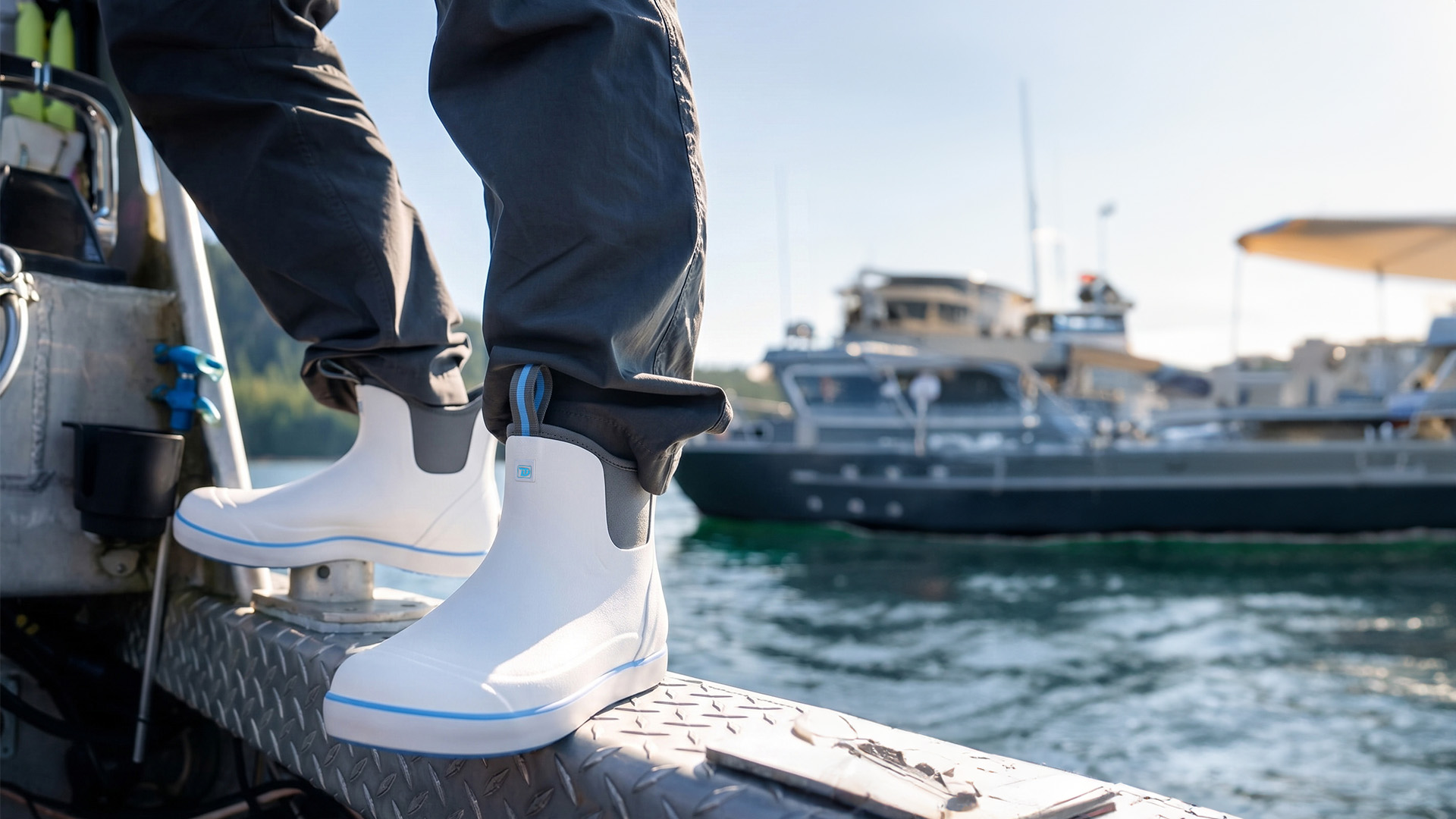
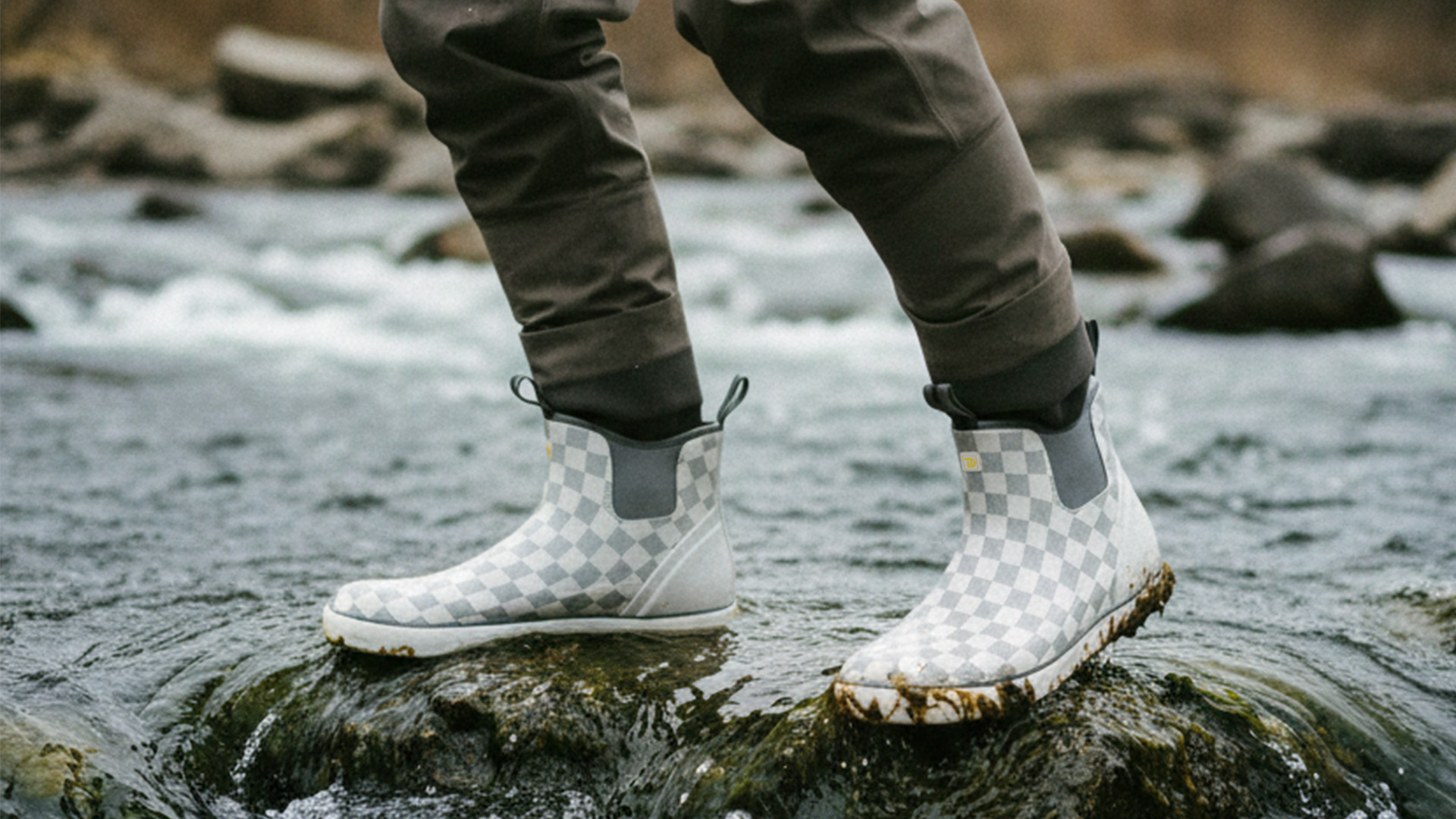
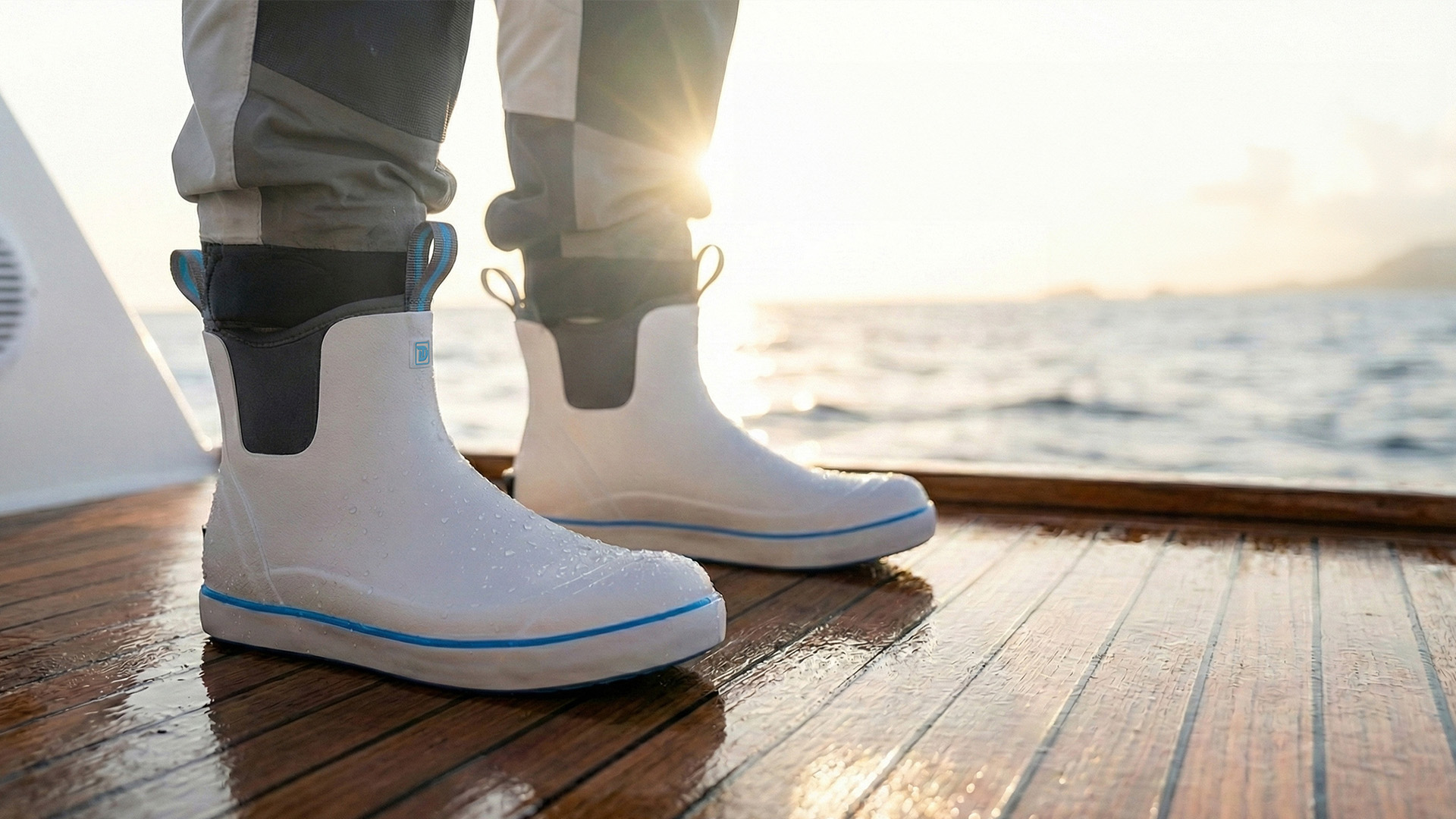
- Hands and Feet Protection: Thermal gloves and waterproof boots ensure comfort during long sits on open water or ice.
6. Common Mistakes to Avoid
- Overworking the water: Cold predators often require a slow, precise approach rather than frantic coverage.
- Ignoring structure: Even in open lakes, fish remain near cover and drop-offs in winter.
- Using summer tactics: Fast retrieves or skipping lure types rarely entice sluggish winter fish.
- Neglecting temperature pockets: Slightly warmer microzones often hold the only active predators.
Conclusion
Fishing for largemouth bass and northern pike in January is a test of patience, observation, and understanding cold water predator behavior. By targeting key structures, thermal microzones, and mid-depth ambush areas, and by using slow, deliberate presentations, anglers can locate and trigger strikes even in the harshest conditions.
The key takeaway for January success is that precision beats quantity—a few well-targeted casts in the right location will outperform a day spent blindly casting across frozen or cold waters. With careful planning, timing, and an understanding of predator patterns, winter anglers can consistently find action even in the coldest months of the year.