


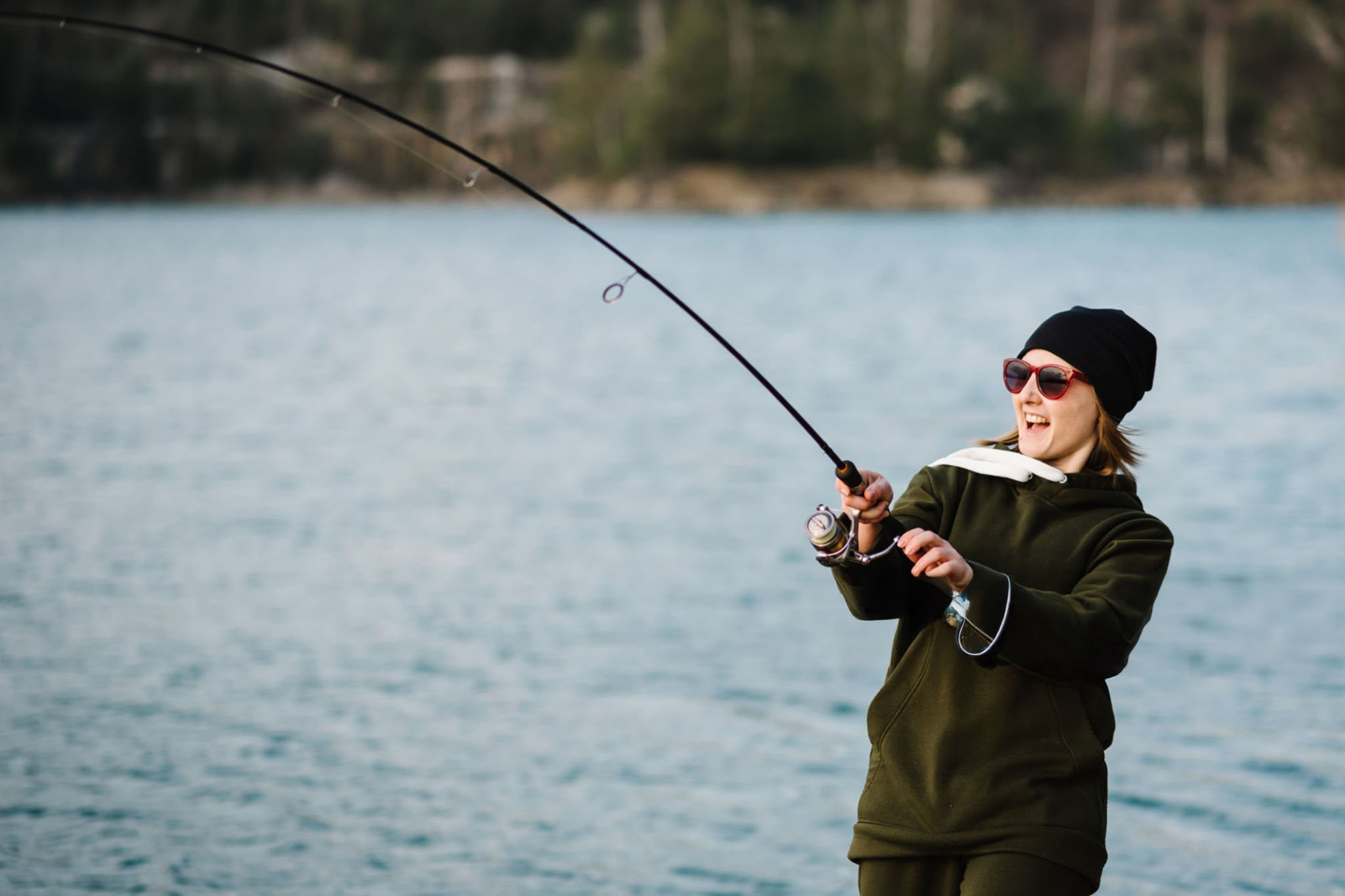
Fishing in late winter and early spring presents a unique challenge: cold water significantly slows fish metabolism. Unlike the aggressive strikes of summer, fish in colder conditions are more lethargic, less likely to chase fast-moving lures, and more selective in their feeding. For anglers, success hinges on matching retrieval speed to fish behavior. Adjusting your presentation to account for temperature-driven activity can mean the difference between blank days and landing trophy fish.
1. Why Retrieval Speed Matters in Cold Water
Fish are cold-blooded, meaning their activity level directly correlates with water temperature. In chilly waters:
- Metabolism Drops: Fish expend less energy and are less likely to pursue fast-moving prey.
- Reduced Aggression: Predatory instincts are still present but delayed.
- Ambush Feeding: Many species prefer to wait for prey to pass within striking distance rather than chase.
Key insight: Matching your lure movement to the fish’s energy level maximizes the chance of a strike.
2. The Science Behind Slower Retrievals
Water temperature affects muscle efficiency and reaction time. For example:
- Bass in 40–50°F water move and strike slower than in 65–75°F conditions.
- Trout and crappie are often stationary, preferring subtle presentations.
- Aggressive retrievals may spook fish or go unnoticed altogether.
Practical takeaway: Cold water fish are more responsive to slower, deliberate lure presentations.
3. Techniques for Adjusting Retrieval Speed
A. Jigs and Soft Plastics
- Use slow lifts and pauses.
- Let the bait sink longer, imitating sluggish prey.
- Twitching or dragging slowly along the bottom often triggers strikes.
B. Crankbaits
- Downsize lures to reduce resistance and keep them in the strike zone longer.
- Opt for slow-rolling or erratic slow retrieves.
- Pauses during the retrieval mimic injured or lethargic prey.
C. Topwater Lures
- Move lures with subtle pops or slight wakes instead of fast walking-the-dog techniques.
- Early-season fish often respond more to disturbance and vibration than speed.
D. Spinnerbaits and Spoons
- Slow steady retrieves work best.
- Adding occasional stops or slight twitches can entice strikes from inactive fish.
4. Detecting the Right Retrieval Speed
- Observe Follows: If fish chase but don’t bite, slow down your presentation.
- Vary Pauses: Experiment with 1–5 second pauses between pulls.
- Match Prey Movement: Watch natural forage in the water; mimic its slow motion.
- Adjust to Depth: Deeper fish often require slower descents and longer pauses.
Tip: Cold water fishing rewards patience—don’t rush your retrieves.
5. Species-Specific Considerations
- Bass: Early spring largemouth may follow bait but strike only after a slow, tantalizing pause.
- Crappie: Often suspended near cover; slow jigging or subtle vertical presentations are most effective.
- Trout: In sluggish waters, twitching a small lure slowly along current seams can trigger bites.
- Panfish: Sunfish and bluegill feed opportunistically; subtle sinking baits often outperform fast-moving lures.
6. Gear Adjustments for Cold Water Retrievals
- Use Lighter Tackle: Allows better control over slow, subtle movements.
- Line Choice Matters: Fluorocarbon or low-stretch line increases sensitivity for detecting light bites.
- Rod Action: Medium-light rods provide finesse and allow slow, precise presentations.
- Reel Speed: Practice consistent, slower hand cranks; let the lure linger in strike zones.
7. Environmental Factors to Consider
- Water Clarity: In clear water, slower presentations are more realistic and less likely to spook fish.
- Current: Adjust retrievals to match water movement; slow down when the current carries bait naturally.
- Wind: Wind-driven water can add subtle motion; combine it with deliberate lure pauses.
- Temperature Shifts: Even small increases in water temperature can justify slightly faster retrieves, as fish metabolism picks up.
8. Common Mistakes and How to Avoid Them
- Too Fast: Many anglers overcompensate by speeding up lures, which often leads to misses.
- No Variation: A perfectly slow retrieve with no twitch or pause can become predictable; subtle irregularity is key.
- Ignoring Depth: Cold water fish often hold deeper; constant bottom contact or suspending at strike depth improves results.
- Rushing: Patience is critical; wait longer in strike zones, especially after cold fronts.
9. Why Slower Retrievals Pay Off
- Increases the strike probability by matching fish energy levels.
- Reduces spooking, especially in clear, shallow waters.
- Mimics natural prey behavior during late winter and early spring.
- Allows anglers to read fish reactions and adjust in real-time.
Mastering slow, controlled retrievals in cold water not only improves catch rates but also builds knowledge of fish feeding patterns and seasonal behavior.
10. Conclusion
Cold water fishing demands finesse, patience, and awareness. Adjusting retrieval speed to match fish metabolism is one of the most overlooked yet effective strategies for early-season success. Key points include:
- Recognize the impact of low water temperatures on fish activity.
- Match lure speed, pauses, and depth to the energy level of the fish.
- Experiment with subtle twitches, slow descents, and natural drift.
- Adjust gear and techniques to maximize sensitivity and control.
By mastering these strategies, anglers can consistently trigger strikes from cold water fish, turning sluggish early-season conditions into productive days on the water.