


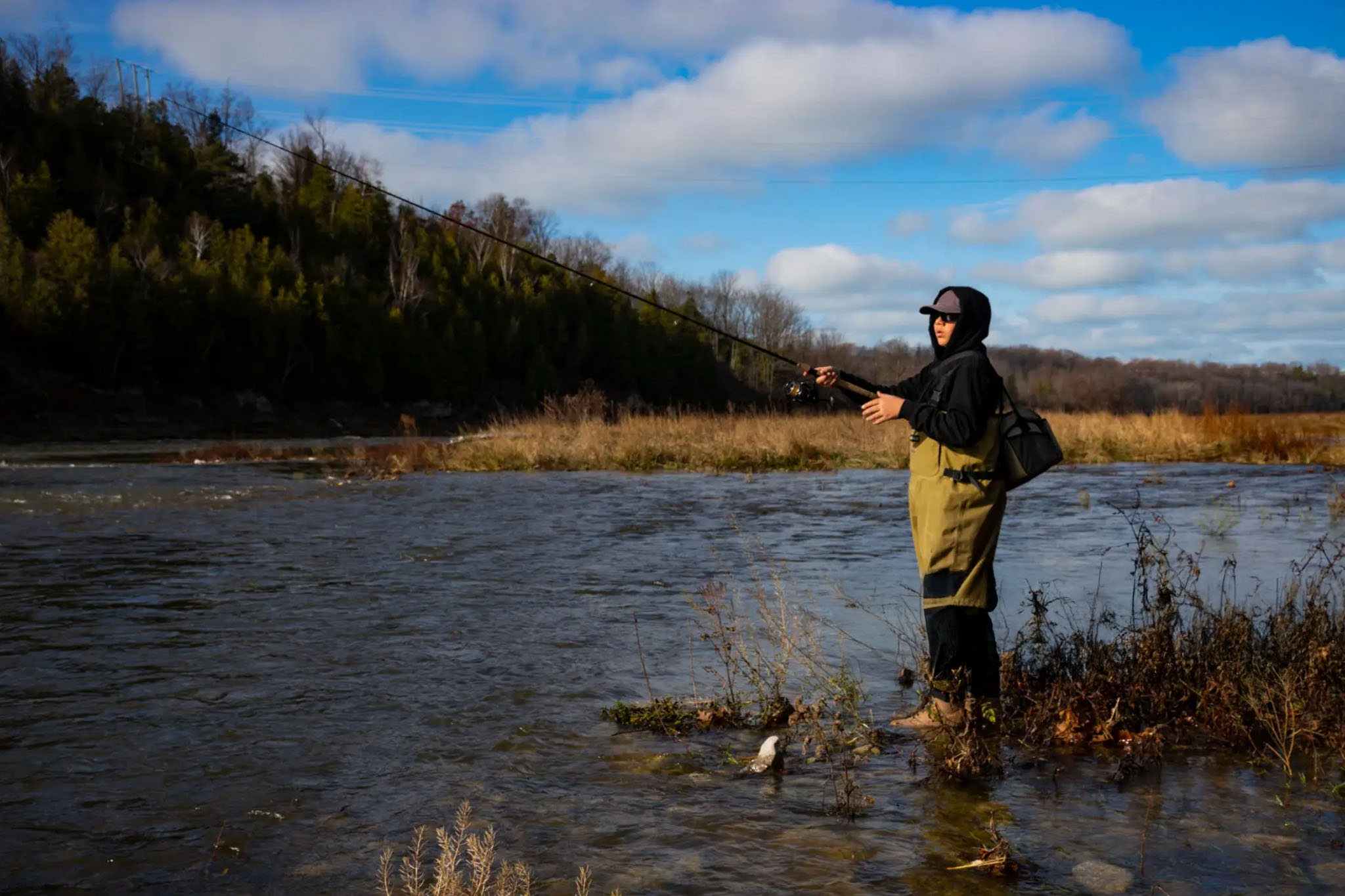
As winter fades and early spring approaches, freshwater fishing enters a critical transitional phase. The first feeding fish of the season are often elusive, and their locations can be surprisingly specific. One of the most overlooked factors in early-season angling is subtle currents. These gentle water movements, often invisible to the untrained eye, create feeding hotspots that attract bass, crappie, trout, and other freshwater species. Understanding why and how fish utilize these subtle currents can dramatically improve your catch rate.
1. The Role of Currents in Fish Feeding
Even minor currents serve several important functions for freshwater fish in early spring:
- Food Delivery: Currents transport insects, larvae, plankton, and organic matter, providing a steady food source.
- Energy Efficiency: Fish conserve energy by positioning themselves where currents bring food to them, rather than actively chasing it.
- Oxygenation: Moving water increases oxygen levels, which is crucial in cold water when fish metabolism begins to rise.
- Thermal Benefits: Subtle currents often create slightly warmer or more oxygen-rich microzones that attract feeding fish.
Key takeaway: Early-season fish are opportunistic and energy-conscious. Spotting subtle currents often means locating the first feeding fish of the year.
2. Where to Find Subtle Currents
Subtle currents appear in many freshwater habitats. Knowing where to look is essential:
- Confluences: Where two streams or creeks meet, gentle water movement can create feeding zones for trout and bass.
- Shoreline Undercuts: Water flowing past submerged logs or small banks often produces micro-currents that trap insects.
- Inlet and Outlet Zones: Ponds and lakes with minor inflows/outflows generate steady currents that attract early fish.
- Rocky Points and Shallow Flats: Slight variations in depth cause water to move differently, creating subtle feeding channels.
- Vegetation Edges: Currents flowing through reeds, grasses, or submerged bushes concentrate prey for fish.
3. Timing Matters: Early Feeding Windows
Early feeding fish are influenced by water temperature and light conditions:
- Morning Movements: Fish often use subtle currents in low-light conditions when metabolism begins to rise after cold nights.
- Pre-Spawn Activity: As water temperatures rise, bass and crappie follow currents into feeding areas to prepare for spawning.
- Weather Transitions: A warming day after a cold front often triggers increased feeding along subtle currents.
Pro tip: Scout subtle current zones early in the day to maximize first-feeding opportunities.
4. Lure and Bait Strategies for Subtle Currents
Targeting fish in these areas requires precision and subtlety:
- Small Jigs and Soft Plastics: Light baits mimic natural prey drifting in currents.
- Suspending Minnows or Crayfish: Effective in low-current zones where fish hold position.
- Topwater Lures: Can attract aggressive early-season fish in slow-moving surface currents.
- Drift Fishing: Letting live bait move naturally with the current increases strike probability.
Tip: Always match lure size and presentation to the prey species the current is delivering.
5. Reading the Water: How to Identify Subtle Currents
Even minor water movement leaves telltale signs:
- Floating Debris: Leaves, twigs, or pollen moving in a straight or curved line indicate a current path.
- Ripples and Surface Disturbances: Slight variations near rocks, submerged logs, or shoreline irregularities signal micro-currents.
- Temperature Shifts: Using a thermometer, anglers can detect slightly warmer or cooler pockets created by water flow.
- Fish Behavior: Watch for small fish darting or holding steady—these often indicate a current feeding zone.
6. Why Subtle Currents Are Better Than Obvious Flow
While large currents attract fish year-round, subtle currents are especially important in early spring:
- Fish are less active and avoid high-energy areas until water temperatures rise.
- Gentle currents deliver food without forcing fish to expend energy against strong flow.
- These microzones often act as feeding corridors, where multiple species concentrate.
By targeting subtle currents, anglers intercept fish at peak feeding efficiency rather than chasing them in obvious flow zones.
7. Seasonal Adjustments for Subtle Current Fishing
- Late Winter: Focus on south-facing ponds and lakes where meltwater creates slow micro-currents.
- Early Spring: Pay attention to inlet streams and shallow flats where currents transport newly hatched insects.
- Post-Warm-Up: Fish may shift from subtle currents to open feeding flats, so adjust techniques accordingly.
Observation tip: Mark your maps and GPS points for subtle current hotspots—they often stay productive into late spring.
8. Safety and Ethical Considerations
- Respect fragile shoreline and wetland ecosystems when accessing subtle current areas.
- Avoid spooking fish by keeping a low profile and minimizing wading in shallow micro-currents.
- Follow local fishing regulations, especially during early season or pre-spawn periods.
Ethical angling ensures that subtle current zones remain productive for future seasons.
9. Conclusion
Subtle currents are the hidden arteries of freshwater habitats, delivering food, oxygen, and thermal benefits that attract the first feeding fish of the season. Early spring anglers who understand where these micro-currents form, how fish use them, and how to present bait effectively can dramatically increase their catch rates. Key strategies include:
- Observing natural indicators like floating debris and surface ripples
- Targeting gentle flows near rocks, vegetation, or shallow flats
- Using small, precise lures and soft presentation techniques
- Adjusting to seasonal water temperature changes
By mastering subtle currents, anglers gain a major early-season advantage, intercepting fish when they are most opportunistic and energy-conscious.