



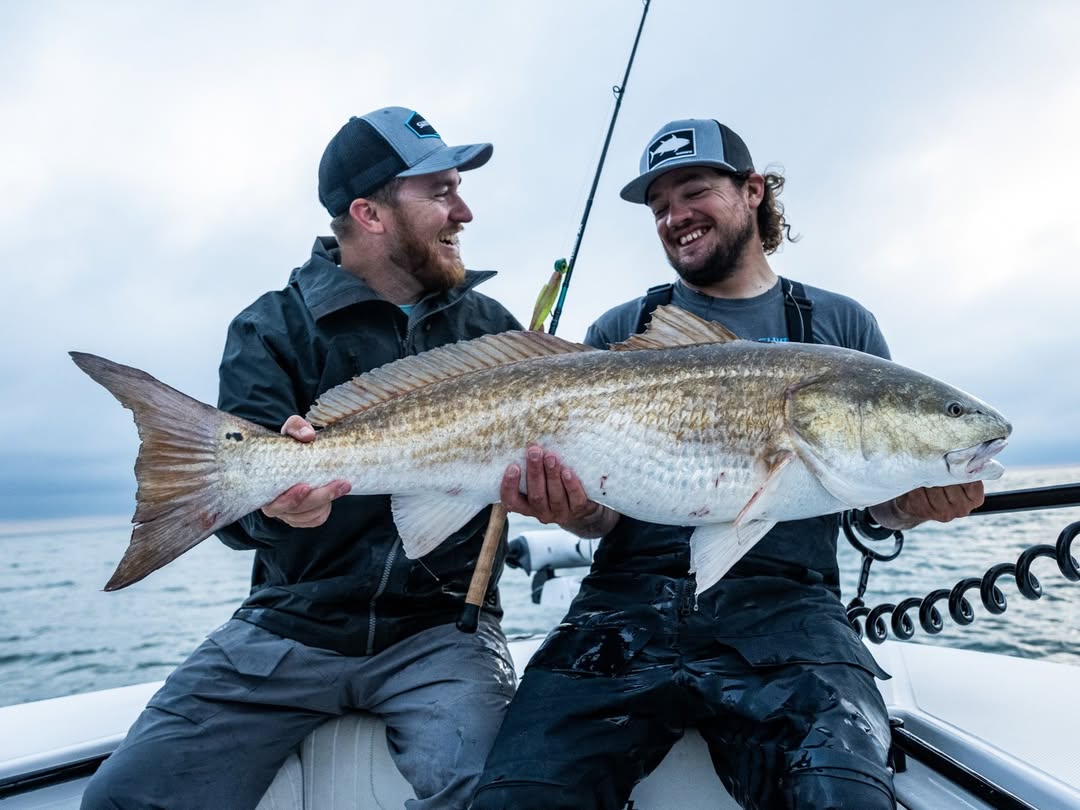
Early spring fishing isn’t just about water temperature or daylight—it’s about the subtle cues the weather provides. A slight change in wind direction, barometric pressure, or cloud cover can completely alter where fish decide to spend the night, and where they will feed the next day. Observant anglers who understand these shifts can hit productive spots while others wander empty waters.
Why Overnight Weather Changes Matter
Fish are highly sensitive to environmental conditions. In late winter and early spring, even small overnight changes can signal safety, food availability, or energy efficiency.
Subtle changes overnight can affect fish behavior by:
- Altering water temperature slightly, especially near the surface and shallow flats
- Changing oxygen levels, particularly in shallow coves or pockets
- Influencing currents or flow in rivers, making some routes more efficient than others
- Shifting light exposure, impacting visibility and predator risk
Overnight is the “hidden window” when fish decide where they’ll position themselves for the next day.
Common Subtle Changes That Trigger Fish Movement
1. Barometric Pressure Fluctuations
A slight drop or rise in pressure overnight can determine whether fish hold tight or begin exploring.
- Falling pressure often encourages more movement, particularly for predator species like bass or walleye.
- Rising pressure can make fish more cautious, pushing them into deeper, protected areas.
Anglers who pay attention to small overnight pressure changes can predict which areas will produce bites the next morning.
2. Light Cloud Cover vs Clear Skies
A mostly clear night followed by morning clouds—or vice versa—affects where fish choose to feed.
- Cloudy mornings often prompt fish to leave deep shadows for shallower feeding spots earlier in the day.
- Clear mornings may keep them closer to structure, waiting for indirect sunlight to warm water gradually.
Even a partial cloud layer can shift fish tens of feet along the shoreline.
3. Overnight Wind Shifts
Wind may change direction or intensity overnight, subtly moving water, debris, and food sources.
- South or southwest winds can push warmer surface water into shallow flats, attracting fish to spots that were cold the day before.
- North or east winds can chill shallow areas, sending fish deeper or into protected coves.
Knowing the last overnight wind direction helps you target the likely morning feeding routes.
4. Minor Temperature Swings
Fish are energy managers. Even a 1–2°F drop or rise overnight can influence their positioning:
- Slight warming allows fish to move closer to the surface or edges to feed.
- Slight cooling encourages fish to remain near deep water, rocks, or thick cover for safety.
Cold nights followed by sunny mornings can trigger rapid shallow movements, creating short but intense bite windows.
How Fish React Overnight
Fish aren’t stationary. They adjust gradually based on environmental cues:
- Predator species (bass, pike, walleye) test different depths for prey availability.
- Forage fish move to areas with warmer water or higher oxygen content, forming schools in predictable locations.
- Migratory patterns may be delayed or accelerated by subtle overnight changes, affecting where they appear near shore.
Anglers who notice where fish weren’t yesterday but could be today have a massive advantage.
Reading Overnight Clues on the Water
Several signs indicate fish have shifted positions overnight:
- Surface ripples or activity in unexpected areas
- Early morning baitfish movement visible near shallows
- Sudden appearance of predators in normally quiet pockets
- Water color changes or floating debris that shifts overnight
These clues reveal which spots will be productive for the first few hours after sunrise.
Timing Your Casts Around Overnight Shifts
Subtle overnight changes create short, predictable feeding windows:
- Fish may emerge 30–90 minutes earlier or later than the standard dawn window.
- Bites often peak when the water temperature and light exposure are “just right,” influenced by the previous night’s weather.
- Patience and observation are key; being the first on productive water yields better results than chasing every obvious hotspot.
Why Observant Anglers Outperform Others
Most anglers ignore subtle overnight cues and fish mechanically:
- Hitting the same spots as yesterday
- Following routine casts without considering wind or pressure
- Ignoring small environmental changes
Those who slow down, track overnight weather, and position themselves where fish have naturally relocated see disproportionate success.
Pro Tips for Using Overnight Weather Shifts
- Track weather trends: Note changes in temperature, wind, and barometric pressure each night.
- Focus on transitional areas: Shallow-to-deep edges, cover near open flats, or shaded pockets often see first movement.
- Adjust retrieval speed and presentation: Fish relocating overnight can be more cautious. Slow, deliberate movements trigger more bites.
- Plan short, targeted sessions: Be ready for peak activity, often mid-morning to early afternoon.
Conclusion
Subtle overnight weather changes can shift fish locations dramatically, but most anglers miss it. Understanding how small adjustments in temperature, wind, cloud cover, and pressure affect fish positioning allows you to predict movement, focus on productive areas, and catch more fish efficiently.
The key lesson: don’t ignore frozen mornings, calm nights, or slight winds. They’re the invisible currents that dictate where the bite happens tomorrow. Observant anglers adapt—and the fish reward them.