


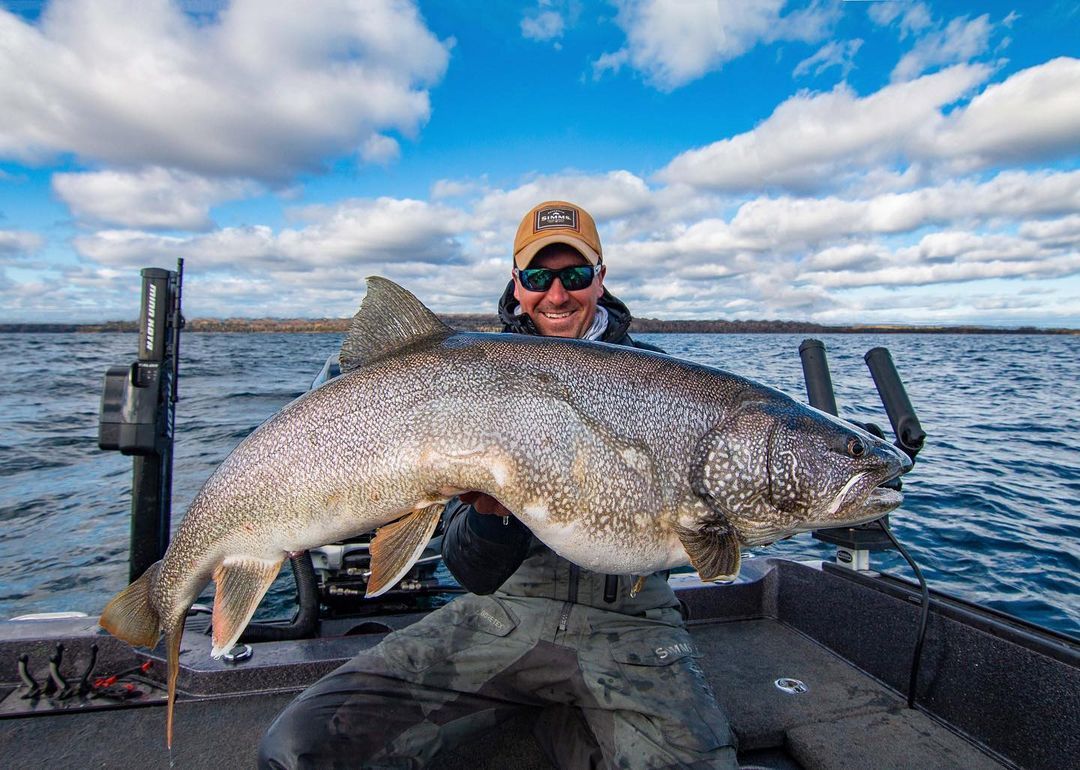
Cold water fishing can be a test of patience and skill. As temperatures drop in late winter and early spring, fish metabolism slows, their reaction times lengthen, and they become more selective with the prey they pursue. To succeed in these conditions, anglers need to fine-tune their rod and reel techniques to detect subtle bites and present lures with precision.
This guide provides practical strategies for adjusting rod and reel action to improve your success in cold-water fishing scenarios.
Why Cold Water Changes How You Fish
Fish are ectothermic, meaning their body temperature and activity levels are dictated by their environment:
- Slower metabolism: Fish expend less energy and strike less aggressively.
- Reduced reaction speed: Quick hook sets can easily miss subtle bites.
- Lethargic movement: Fish may feed near the bottom or in sheltered areas, ignoring fast-moving lures.
Adjusting your rod and reel action allows you to maintain sensitivity, control lure presentation, and improve hook-up rates in these challenging conditions.
Strategy 1: Use a Softer, More Sensitive Rod
The rod you choose impacts bite detection in cold water:
- Tip flexibility: A softer tip absorbs subtle tugs from sluggish fish.
- Medium-light to light power: Provides sensitivity while still handling small to medium lures.
- Length considerations: A slightly longer rod (6’6”–7’) can improve line control during slow retrieves.
Pro Tip: Pair a sensitive rod with a high-visibility line to detect gentle strikes in low-light or murky conditions.
Strategy 2: Adjust Reel Drag Settings
Proper drag adjustment is crucial to prevent missed strikes:
- Softer drag: Cold water fish often bite lightly; a tight drag can pull the lure away before the fish fully engages.
- Smooth, consistent drag: Helps absorb subtle movements and reduces hook pull-outs.
- Test before casting: Check drag with gentle pulls to simulate a fish bite and ensure responsiveness.
A well-tuned drag system allows fish to take the bait naturally without alerting them to resistance.
Strategy 3: Modify Retrieve Speed
Slower retrieves are key in cold-water conditions:
- Pause frequently: Let the lure sit near the bottom or in strike zones; lethargic fish respond to still prey.
- Short, subtle twitches: Small movements mimic wounded or sluggish prey, triggering reaction strikes.
- Avoid rapid jerks or aggressive actions: Fast motions often scare inactive fish.
Pro Tip: Use the rod tip to gently jig or pulse soft plastics and jigs to mimic natural movement.
Strategy 4: Line Selection and Sensitivity
Line choice affects both feel and control:
- Fluorocarbon line: Low stretch increases sensitivity and reduces visibility.
- Braided line: Offers maximum sensitivity but may require a shock-absorbing leader in cold, rocky environments.
- Light line diameter: Helps with finesse presentations and allows subtle bites to be detected more easily.
Monitoring line tension and subtle vibrations is essential to hook cold, slow-striking fish.
Strategy 5: Adjust for Different Lure Types
Different lures require subtle tweaks to rod and reel action:
- Jigs: Slowly hop or drag along the bottom, maintaining contact to detect gentle strikes.
- Soft plastics: Light twitches and pauses with a sensitive rod tip simulate natural prey.
- Crankbaits and swimbaits: Use a slow, steady retrieve and let the lure suspend at depth for a pause-and-strike approach.
- Spoons: Flutter slowly and let gravity do part of the work; aggressive flicking often spooks fish.
Tip: Matching the lure’s action to the cold-water feeding style increases bite probability significantly.
Strategy 6: Practice Bite Detection
Cold water bites are subtle and easy to miss:
- Watch line movement: Slight twitches, taps, or stops indicate fish interest.
- Feel rod tip pressure: Even minimal resistance can signal a light bite.
- Set the hook gently: Quick or hard hook sets often fail in cold water.
Developing sensitivity to these cues separates successful winter anglers from the average.
Common Mistakes to Avoid
- Overly aggressive hook sets: Cold-water fish often need time to fully take the lure.
- Using stiff rods: Hard rods fail to transmit subtle bites effectively.
- Retrieving too quickly: Rapid movements scare lethargic fish.
- Ignoring line sensitivity: Heavy or stretchy lines reduce bite detection.
- Neglecting drag adjustments: A tight drag can prevent proper hook sets on light bites.
Avoiding these mistakes ensures a higher success rate during slow winter feeding periods.
Final Thoughts
Adjusting rod and reel action is essential for productive cold-water fishing. By selecting the right rod, tuning drag settings, slowing retrieves, choosing sensitive line, and practicing subtle bite detection, anglers can trigger strikes even from the most lethargic fish.
Cold water fishing rewards patience, precision, and attention to detail. Mastering these adjustments allows anglers to maximize their catch rate in late winter and early spring, turning slow days on the water into productive and rewarding experiences.