


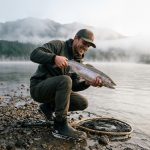
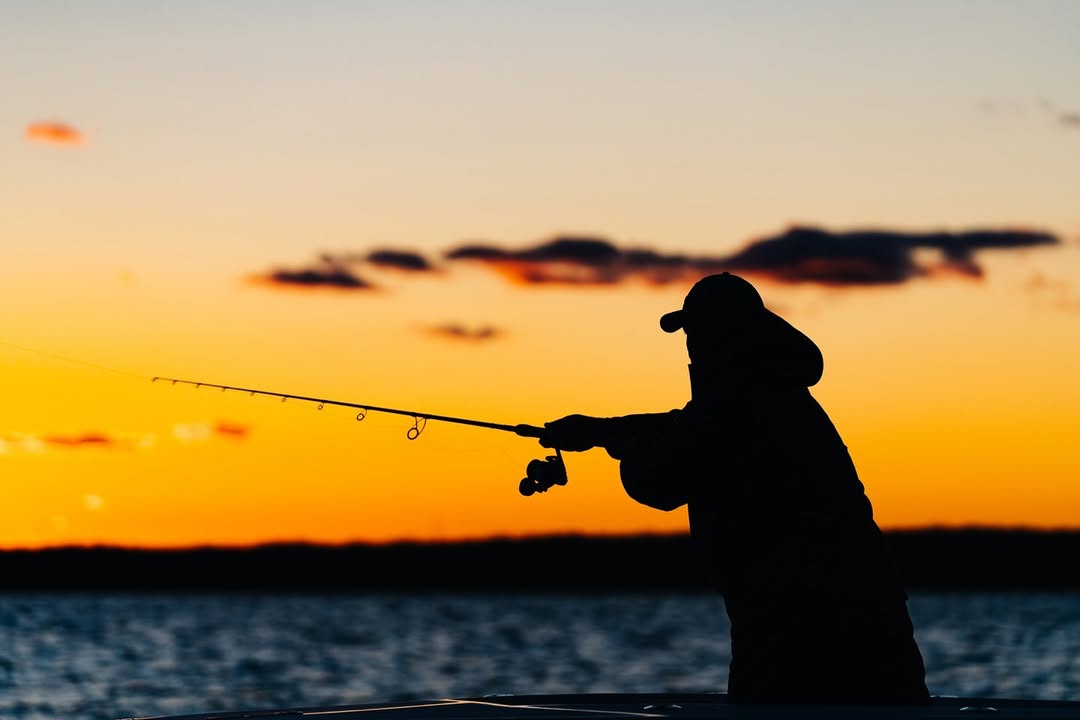
Winter fishing can be challenging, but the pre-dawn and twilight hours often provide the best opportunities. Fish are generally more active in low-light conditions during the cold months, taking advantage of reduced human activity and subtle changes in water temperature. Mastering low-light fishing requires understanding fish behavior, choosing the right gear, and employing techniques that maximize your chances of a bite.
Here’s a comprehensive guide to early morning and late evening fishing tactics for winter fish.
Why Low-Light Matters in Winter
During winter, fish metabolism slows, and they become less active in bright daylight, often retreating to deeper, more protected areas. However:
- Low-light periods stimulate feeding: Fish feel safer moving in dim conditions, allowing them to venture closer to shallows or cover.
- Reduced human activity: Fewer disturbances from boats, anglers, or shoreline activity.
- Enhanced visibility advantages for anglers: Subtle movement and lure action are more noticeable against dim backgrounds.
Capitalizing on these periods often leads to the most productive winter fishing sessions.
Strategy 1: Choose the Right Time
Timing is critical when targeting winter fish in low light:
- Early morning (30–60 minutes before sunrise): Fish are leaving their wintering spots to feed, often in slightly shallower water.
- Late evening (30–60 minutes after sunset): Fish return to feeding areas before bedding, making ambush tactics effective.
- Weather considerations: Overcast days extend low-light conditions, giving longer periods of active feeding.
Pro Tip: Use a fishing app or sunrise/sunset charts to plan your trips precisely.
Strategy 2: Match the Hatch with Lures and Baits
Fish in low-light winter conditions rely more on scent, vibration, and contrast:
- Soft plastics: Slow, subtle action near the bottom triggers bites from lethargic fish.
- Jigs: Weighted jigs imitate natural prey and can be paused to entice strikes.
- Spinnerbaits and Spoons: Provide flash and vibration to attract attention in dim light.
- Live bait: Minnows, worms, or small crayfish can outperform artificial lures in cold water.
Tip: Choose darker or natural colors, which are easier for fish to detect against fading light and winter backgrounds.
Strategy 3: Focus on Structure and Cover
Fish are more likely to move near cover and structure during low-light periods:
- Drop-offs and ledges: Fish transition between deep and shallow areas for feeding.
- Submerged timber or rocks: Provide hiding spots and ambush points.
- Shallow flats near deep water: Fish often stage here to feed as light increases or decreases.
Pro Tip: Cast slightly beyond visible cover and retrieve slowly toward it to trigger strikes.
Strategy 4: Adjust Your Retrieval Techniques
Low-light winter conditions require deliberate, precise lure manipulation:
- Slow retrieves: Keep movements gentle to mimic weak, cold-blooded prey.
- Pause-and-twitch: Let lures hover near the bottom, then give subtle twitches to entice reaction bites.
- Vary depth: Fish may suspend just off the bottom or near vegetation; adjust accordingly.
A slower presentation often outperforms fast, aggressive tactics during winter low-light hours.
Strategy 5: Optimize Gear for Low-Light Fishing
Proper equipment ensures you can fish effectively when visibility is limited:
- Rod and reel: Medium-action rods allow sensitivity for subtle bites.
- Line: Fluorocarbon line is less visible in dim conditions and offers better bite detection.
- Lighting: Use red or green headlamps to preserve night vision without spooking fish.
- Electronics: Fish finders with low-light display settings help locate active fish.
Tip: Pre-rig lines and lures to minimize fumbling in low-light conditions.
Strategy 6: Pay Attention to Water Temperature and Movement
Fish respond to subtle environmental cues in winter:
- Warm pockets: Solar-heated shallow areas or inflows often attract fish during low-light periods.
- Current seams: Where slow-moving water meets faster flow, fish position to conserve energy while waiting for prey.
- Depth transitions: Fish migrate vertically and horizontally in response to minor temperature gradients.
Being aware of these cues allows anglers to place lures where fish are most likely feeding.
Common Mistakes to Avoid
- Ignoring structure: Even low-light periods won’t compensate for fishing in open, featureless water.
- Overly aggressive retrieves: Cold, lethargic fish often need subtle presentation.
- Neglecting visibility: Bright or unnatural colors can deter cautious winter fish.
- Rushing the setup: Proper rigging and quiet positioning are essential in dim light.
- Disregarding safety: Low-light fishing in winter can be slippery and hazardous—plan accordingly.
Final Thoughts
Low-light fishing during winter—early mornings and late evenings—can produce disproportionately high results compared to daytime sessions. By timing your trip, matching lure presentation to lethargic fish, targeting cover and structure, and optimizing gear, you can maximize bites when temperatures are cold and activity is limited.
Success in these hours requires patience, observation, and finesse, but mastering low-light winter techniques ensures you make the most of the season, even on the coldest days.