


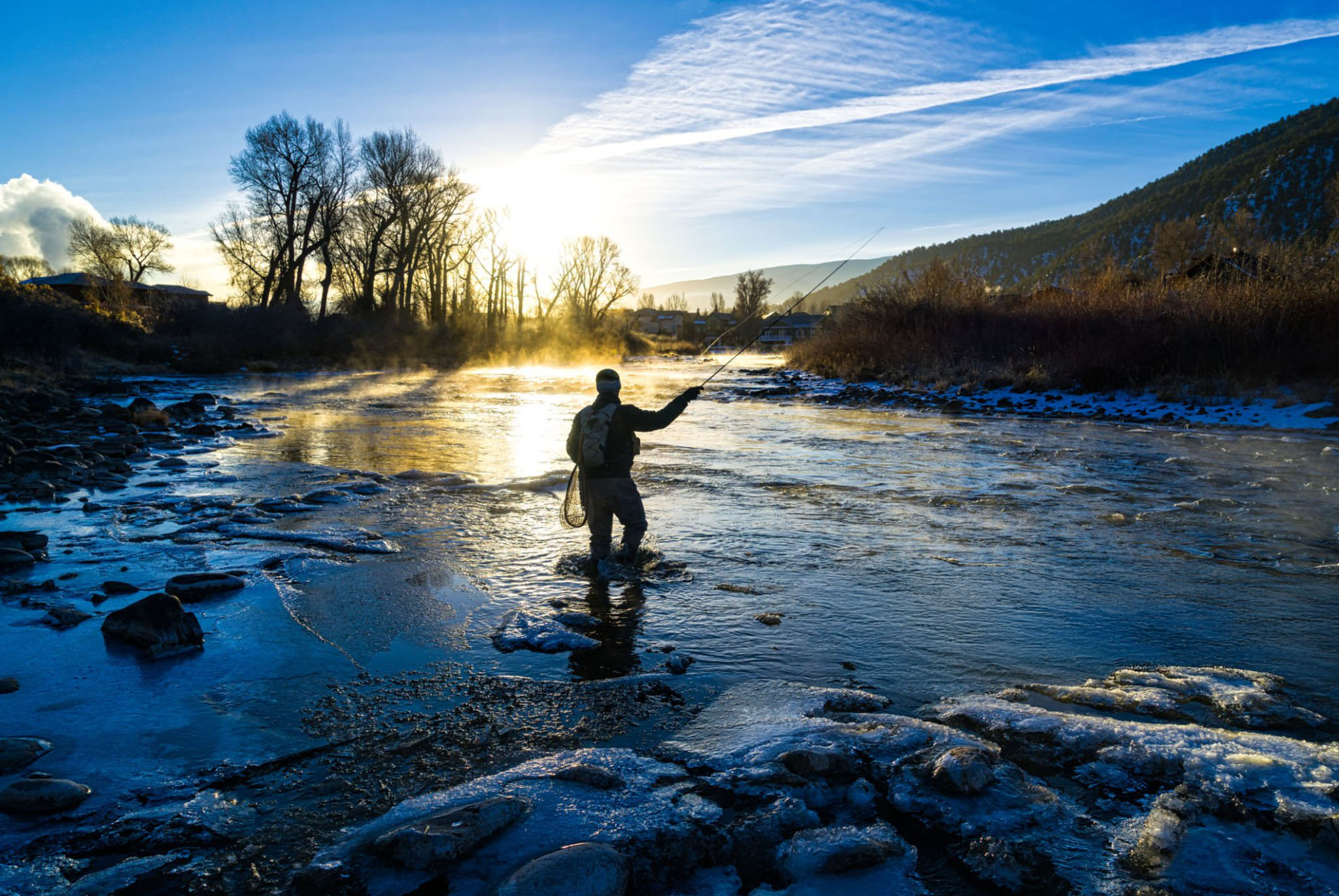
Fishing in cold water can be one of the most challenging yet rewarding experiences for anglers. As water temperatures drop in late winter and early spring, fish metabolism slows, and their feeding patterns change dramatically. To be successful during these conditions, anglers must adapt their lure selection, presentation, and tactics to entice bites from lethargic fish.
Here’s a detailed guide to cold water tactics and the lures that trigger bites when temperatures drop, perfect for lakes, rivers, and reservoirs across the U.S.
Why Cold Water Changes Fish Behavior
Understanding how cold water affects fish is critical:
- Slower metabolism: Fish move less and require less energy, meaning aggressive lures often fail.
- Reduced activity: Fish spend more time in deeper, protected areas with stable temperatures.
- Selective feeding: Only certain prey triggers a response in sluggish fish, making lure choice and presentation crucial.
Recognizing these changes helps anglers target fish more effectively and avoid wasted casts.
Strategy 1: Slow Down Your Presentation
When water temperatures drop, fish conserve energy:
- Use slower retrieves: Jigs, soft plastics, and crankbaits work best with a deliberate, methodical approach.
- Pause frequently: Let your lure hover near the bottom or just above cover, giving cold fish a chance to strike.
- Small, subtle movements: Erratic or fast-moving lures often scare lethargic fish away.
Pro Tip: A slow jig or drop-shot presentation can often outperform flashy, fast lures in sub-50°F water.
Strategy 2: Focus on Natural Colors and Subtle Profiles
Cold water reduces visibility and fish responsiveness:
- Natural baitfish colors: Browns, greens, grays, and translucent shades mimic real prey.
- Small profiles: Downsize your lure to match the limited appetite of cold fish.
- Avoid bright, flashy colors: High-contrast lures may spook fish when activity is low.
Matching the hatch, even in winter, increases your chances of triggering a bite.
Best Lures for Cold Water Conditions
1. Jigs
- Why they work: Dense, weighted jigs sink quickly to the strike zone and can be fished slowly.
- Tip: Pair with a soft plastic trailer to mimic a small baitfish or crawfish.
2. Drop-Shot Rigs
- Why they work: Suspends a small soft plastic near the bottom, perfect for sluggish fish.
- Tip: Use finesse colors and slow twitches to entice a strike.
3. Crankbaits (Shallow or Suspending)
- Why they work: Suspending models allow you to pause at key depths where fish linger.
- Tip: Stick to tight wobble actions and muted colors to avoid startling fish.
4. Swimbaits
- Why they work: Small, soft swimbaits mimic slow-moving prey, ideal for bass and walleye.
- Tip: Use a slow roll near structures like submerged logs or drop-offs.
5. Spoons
- Why they work: Flash and vibration attract fish from a distance while maintaining a slow presentation.
- Tip: Cast beyond your target and let the spoon flutter down naturally.
Strategy 3: Target the Right Depths
In cold water, fish often relocate to deeper areas:
- Look for stable temperatures: Deeper holes, channels, and structures often hold fish.
- Focus on cover: Rocks, timber, and submerged vegetation provide protection from wind and predators.
- Adjust lure depth: Use weighted rigs or slow-sinking lures to reach fish without rushing.
Strategy 4: Time Your Fishing Sessions
Fish are more likely to feed during slightly warmer periods:
- Mid-morning or mid-day: Sunlight warming shallow areas can trigger movement.
- Pre-storm or low-pressure days: Subtle barometric changes encourage feeding.
- Avoid extreme cold snaps: Fish become even less active when temperatures drop suddenly.
Strategy 5: Observe and Adapt
Cold water conditions vary daily, so staying flexible is essential:
- Watch water clarity: Murky water calls for lures with more vibration; clear water favors subtle presentations.
- Monitor fish behavior: Adjust lure type, color, and speed based on response.
- Be patient: Cold water fishing rewards persistence and finesse more than brute force.
Common Mistakes to Avoid
- Fishing too fast: Aggressive presentations often spook lethargic fish.
- Ignoring depth changes: Cold water shifts fish to deeper areas.
- Using oversized or bright lures: Small, subtle, natural baits outperform flashy setups.
- Overlooking structure: Fish use cover for warmth and protection in cold months.
- Skipping patience: Cold water fishing requires a slow, methodical approach.
Final Thoughts
Cold water fishing can be frustrating yet incredibly rewarding. By slowing down, using natural-colored lures, targeting the right depths, and observing fish behavior, anglers can trigger bites even when temperatures drop.
Mastering these tactics ensures a productive late-winter and early-spring fishing season, turning otherwise slow days into memorable, action-packed outings.