
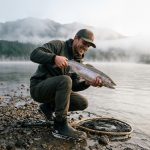
Winter transforms rivers in more ways than temperature alone. When the water gets cold enough, current slows, sediment settles, and fish behavior shifts into an energy-saving mode. Many anglers are used to relying on moving water to animate their lures, push scent downstream, or create natural drift. But when the flow barely moves—common in mid-winter—you need a completely different approach to trigger bites.
Low-flow cold-water conditions can feel frustrating at first, but they also create a unique advantage: fish become highly predictable. They bunch together, prioritize easy meals, and rely on subtle cues rather than aggressive chases. If you can adapt your lure presentation to match the slow winter current, you’ll consistently catch fish when everyone else goes home empty-handed.
This detailed guide breaks down exactly how to work your lure when the current slows to a crawl, helping you maximize your success in icy rivers and creeks.
Why Slow Current Changes Everything in Winter
When the mercury drops, river dynamics shift dramatically:
1. Fish Become Stationary Feeders
With less water pushing against them, fish don’t have to fight the current. They move to:
- deep bends
- slow eddies
- long, calm pools
- soft seams
And then they stay there, waiting for food to drift gently past.
2. Your Lure Doesn’t Get Free Movement
In warm seasons, moving water does half the work—swinging spoons, drifting worms, or keeping plastics fluttering.
In winter? The river is practically still. Your lure sits lifeless unless you bring the action.
3. Cold Water Slows Down Reaction Time
Fish want:
- slower fall rates
- minimal vibration
- long pauses
- compact meals
They’ll eat, but only if the offering matches their reduced pace.
Choosing the Right Lure for Near-Still Current
In sluggish winter flows, certain lures shine because they create micro-movement without scaring sluggish fish.
1. Soft Plastics (Small and Subtle)
Top shapes:
- 2–3″ minnows
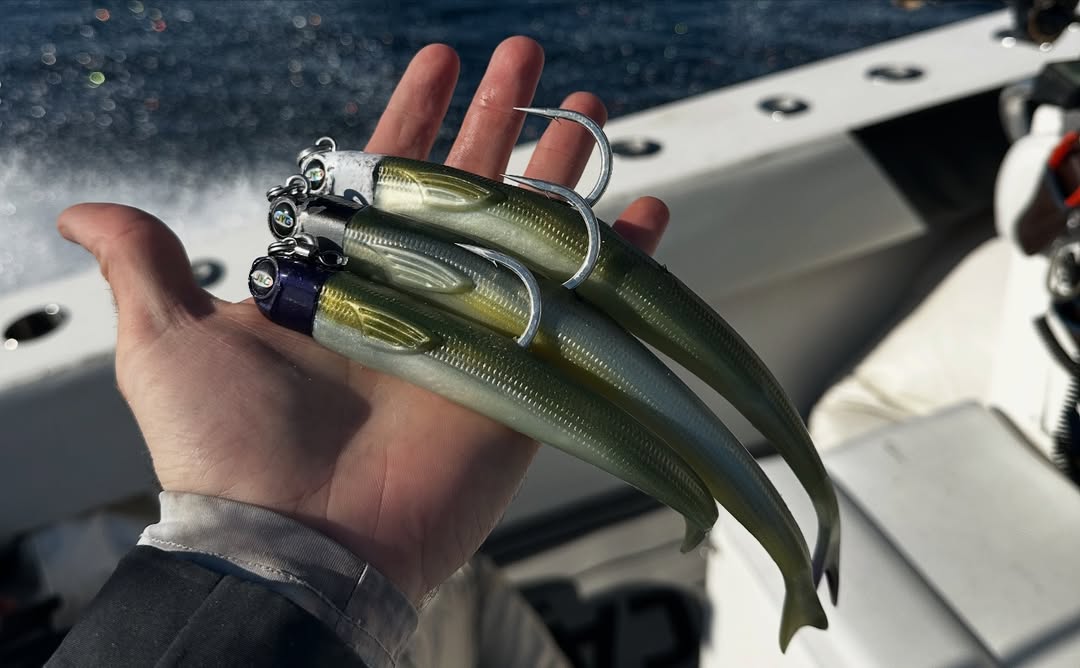
- micro swimbaits
- finesse worms
- creature baits
Look for:
- soft, supple material
- natural colors
- neutral buoyancy
2. Marabou and Hair Jigs
Feathers and hair move with almost no rod input—perfect for barely-moving water.
3. Small Spoons and Blades
Use the smallest, lightest models that still wobble at slow speeds.
4. Floating/Neutral Crankbaits
Suspending lures hover perfectly during long pauses, which is exactly what winter fish want.
5. Inline Plastics for Drift Fishing
Rigged weightless or with tiny split shot, they glide naturally even in the gentlest flow.
How to Work Your Lure in Barely-Moving Water
This is where the magic happens. When the river slows down, your presentation must become more intentional and more delicate.
1. The Ultra-Slow Retrieve
Fish in cold water don’t want to chase. Your retrieve should feel almost too slow.
Think:
- turn the reel handle once every couple seconds
- allow pauses as long as 5–20 seconds
- minimize rod sweeps
If you think you’re going slow enough, slow down even more.
2. Micro-Lifts: Small Movements With Big Impact
Instead of large rod sweeps, try:
- 1–3 inch lifts
- tiny taps of the rod tip
- subtle downward pulses
These micro-movements imitate lethargic forage perfectly.
3. Bottom-Hugging Drift
Even with minimal flow, fish stay close to the bottom in winter.
To drift your lure naturally:
- use just enough weight to tap bottom
- let the lure slide along seams
- avoid lifting off bottom unless necessary
A slow side-drift often outfishes active retrieves.
4. Use the Pause as a Trigger
In winter, the pause is your best tool.
Let your lure:
- hover
- settle
- sit motionless
- slowly pendulum back down
Suspending and hair jigs excel during long pauses because they remain “alive” without movement.
Many strikes happen when the lure is completely still.
5. Read Soft Structure Instead of Fast Water
Slow current forces you to think like a winter fish.
Key winter holding spots:
- inside bends
- deep scour holes
- timber piles
- slow transition lines
- edges of gravel bars
- undercut banks with no turbulence
Fish cluster in these calm zones because they demand little effort.
6. Downsize Line, Hooks, and Weights
Subtle presentations require:
- 4–6 lb fluorocarbon (sometimes 2–3 lb for finesse species)
- light wire hooks
- micro split shot or tungsten drops
Thinner line means:
- more natural movement
- less drag
- increased sensitivity for soft winter bites
7. Let the Lure “Breathe” in Current Micro-Pockets
Even in the slowest rivers, there are tiny currents—micro-eddies, seam shifts, and slow pulses.
Place your lure:
- right at the edge of these soft flows
- near breaks and contour changes
- where the current “just barely” moves
Let the natural micro-drift give the lure subtle movement.
This is winter gold.
Winter Species That Respond Best to These Tactics
Trout
Hold tight to slow, deep pools and only respond to subtle, precise movement.
Smallmouth Bass
Winter smallmouth love slow-rolled tubes, hair jigs, and tiny swimbaits dragged along bottom.
Walleye
They become bottom-oriented and prefer slow glides or low, subtle hops.
Steelhead
Low-flow winter steelhead respond extremely well to micro-drift presentations.
Whitefish and Panfish
Mini plastics and tiny spoons fished slowly catch them consistently in low-flow creeks.
Common Mistakes to Avoid
❌ Working the lure like it’s summer
Fast retrieves kill your chances.
❌ Using too much weight
Heavy rigs drop unnaturally and hang up more often.
❌ Ignoring the bottom
Most winter fish stay tight to the substrate.
❌ Not pausing enough
Stillness triggers more cold-water strikes than movement.
❌ Fishing in fast water
In midwinter, fish leave high-flow areas entirely.
Final Thoughts: Slow Water Creates Big Opportunities
When current nearly disappears in winter, many anglers pack it in, assuming the bite has died. But the truth is exactly the opposite—low-flow conditions make fish predictable, concentrated, and incredibly vulnerable to a well-presented lure.
Mastering the art of slow, deliberate, precise presentation is the key to cold-current fishing. If you adjust your speed, downsize your tackle, and let subtle movement do the work, you’ll unlock a cold-water bite that most fishermen never experience.
Slow current doesn’t mean slow fishing.
It means smart fishing—and it’s where winter legends are made.