


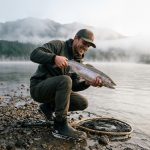
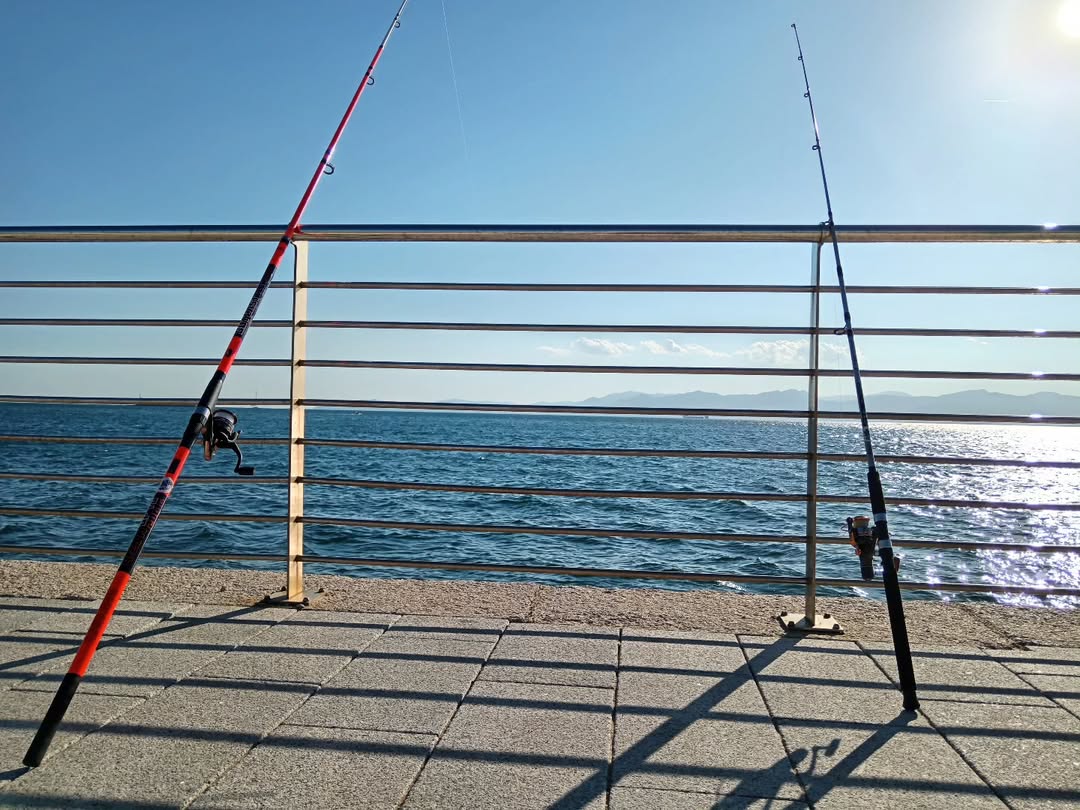
Blue skies after a winter cold front usually send anglers home early. The air turns crisp, the wind shifts, and every “rule” in the fishing book says fish shut down. Yet seasoned winter anglers know a secret: those picture-perfect bluebird days—when the sky is bright, the shadows sharp, and the air still—can deliver some of the biggest bites of the entire season.
If you understand how fish respond to pressure changes, light penetration, and baitfish behavior, you can turn the toughest post-front conditions into a personal trophy day.
This guide breaks down why bluebird days work, what species respond best, and how to adjust your tactics to capitalize on the magic window most anglers overlook.
Why Bluebird Winter Days Aren’t as “Dead” as They Seem
1. High Pressure Doesn’t Kill the Bite—It Concentrates It
After a winter front passes, the barometric pressure shoots upward. Fish adjust by shifting deeper or tucking tight to structure to stabilize their swim bladders.
That predictable movement creates opportunity:
You’re no longer searching a huge water column. Fish are forced into very specific zones—ledges, deep pockets, steeper breaks, or cover that provides security.
High pressure doesn’t turn fish off. It funnels them.
2. Bluebird Sunlight Warms Key Micro-Zones
Low sun angles mean winter light is weak… but not useless. Hard substrates—rock, concrete, riprap, shell beds—absorb sunlight faster than muddy or silty bottoms.
On a bluebird day, this creates small thermal “bubbles,” often just one or two degrees warmer than the surrounding water. Winter fish feel that difference.
Those zones become magnets for:
- Largemouth bass
- Crappie
- Bluegill
- Perch
- Winter trout
Big fish move in first. Smaller fish follow.
3. Baitfish Get Predictable
After a front, shad, smelt, and minnows push into mid-depth zones where the temperature changes more gradually. They school tighter, move slower, and hover over structure instead of roaming.
Any predator that wants an easy meal knows exactly where to look.
Where to Find Big Fish on Post-Front Bluebird Days
1. Sunny Hard Banks
Look for:
- Chunk rock
- Riprap
- Seawalls
- Points with exposed rock
These warm faster than any other habitat in winter. Fish get tight enough to the surface that you can often mark them easily on forward sonar.
2. Mid-Depth Ledges (12–25 feet for most lakes)
This is the “sweet zone” after a winter cold snap. Too shallow gets too cold. Too deep lacks forage.
Focus on:
- First major ledges outside coves
- Creek-channel bends
- Steep bluff walls
This is where most trophy bites happen on bluebird days.
3. Sun-Exposed Timber and Brush
Timber absorbs heat slowly—but it retains it longer than rock. On high-pressure days, fish suspend on the warm side of timber or root balls.
4. Marinas and Docks Facing South
These are overlooked winter gold mines.
Docks trap heat. Pilings hold fish. Bait schools in shade pockets.
Everything fish need in cold water is concentrated into one tiny ecosystem.
Best Techniques for Monster Bites on Bluebird Winter Days
1. Slow-Rolling a Swimbait
This is a winter classic for a reason.
How to fish it:
- Keep the bait 1–2 feet off bottom
- Maintain a painfully slow retrieve
- Choose natural colors (smelt, shad, ghost minnow)
Big bass and walleye can’t resist an easy, slow-moving meal.
2. Jigging Tight to Structure
A ¼–⅜ oz jig with a compact trailer mimics lethargic winter forage.
Fish it:
- Vertically
- Slowly
- Directly on hard structure
Target rock transitions and ledges warmed by sunlight.
3. Blade Baits & Metal Vibes
On bluebird days, fish respond well to flash. The vibration mimics dying baitfish—exactly what they’re feeding on in cold water.
Best spots:
- Channel drops
- Deep flats near ledges
- Mid-depth transition zones
4. Hair Jigs (The Sleeper Technique)
Hair breathes naturally in cold water, giving it an organic movement plastics can’t match.
This is a go-to in:
- Clear water
- High-pressure systems
- Post-front sun
Think of it as finesse fishing for big fish.
5. Deadsticking Jerkbaits
When sunlight penetrates deep and visibility increases, jerkbaits become dangerous—especially when the fish are suspended.
Key tips:
- Long pauses (5–20 seconds)
- Subtle twitches
- Use translucent colors in clear water
When the Bite Peaks on Bluebird Winter Days
Contrary to summer patterns, the warmest window—not sunrise—is the best time.
Expect peak action:
- 11 a.m. to 3 p.m.
- When the sun hits high-angle rocks
- When light penetration stabilizes baitfish
If the water warms even 0.5–1 degree, the feeding window opens wide.
Species That Feed Best After a Winter Front
Largemouth Bass
Slide to mid-depth structure and feed in short windows when sun warms rocks.
Smallmouth Bass
Love sunlight, prefer rocks, and stay deeper but active.
Walleye
Stage on deep ledges, then rise into mid-depth water to ambush schooling bait.
Crappie
Suspend in predictable schools and react well to small baits and slow retrieves.
Lake Trout
Move shallower and chase bait when sunlight penetrates deeper water columns.
Final Thoughts: Embrace the Bluebird Challenge
Most anglers pack it up as soon as the sky clears after a brutal cold front. But the truth is simple:
Bluebird winter days don’t shut down the bite—they sharpen it.
They push fish into the warmest, most predictable places… and if you slow down, think deeper, and trust the process, you can catch the biggest fish of your season.
If consistency wins in fall, precision wins in winter.
And post-front bluebird days are where precision anglers shine.