
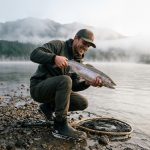

When early winter settles in and water temperatures dive into the mid-40s and low-50s, many anglers assume bass stop feeding altogether. But seasoned cold-water fishermen know the truth: big bass don’t quit—they simply change the rules. They move less, conserve energy, and strike with surprising aggression when the opportunity is right.
Understanding the biology and behavior behind these changes can completely reshape your early-winter approach. If you know where they go and why they eat the way they do, you can consistently target the heaviest fish in the lake—often with less fishing pressure and more predictable patterns.
This guide breaks down what cold-water largemouth and smallmouth are doing in early winter, why they feed heavier despite moving less, and how you can capitalize on their behavior.
Why Bass Slow Down When Water Cools
Bass are cold-blooded, which means their body temperature is directly tied to the water around them. As water temperatures fall:
- Metabolism slows dramatically
- Muscle movement becomes more effort-intensive
- Oxygen use decreases
- Daily calorie needs drop
Because of this, bass can no longer afford to chase fast-moving prey across a large area. Every movement costs energy, and conserving energy becomes a survival strategy.
That’s why you’ll notice:
- Short, calculated movements
- Long periods of holding in one area
- Tighter grouping of big fish
- More predictable location patterns
But here’s the twist—
Big bass actually feed heavier during early winter.
Not more often, but heavier in caloric intake.
And that’s the key to catching trophy fish in December and early January.
The Real Reason Big Bass Eat Heavier in Early Winter
Even though their metabolism slows, big bass instinctively prepare for the harsher winter ahead. To do this, they:
1. Build Fat Reserves Before the Deep Freeze
Just like wildlife bulks up before winter, bass sense the seasonal shift and feed to create internal reserves.
This leads to:
- Larger meal sizes
- More willingness to strike bulky baits
- Short but intense feeding windows
2. Capitalize on Vulnerable Prey
Cold water weakens baitfish and crawfish long before it slows down bass entirely.
Shad, bluegill, and perch often:
- Move sluggishly
- School tighter
- Stun easily in sudden temperature drops
For a big bass, this means easy calories with minimal effort.
3. Feed Opportunistically to Conserve Energy
Instead of chasing multiple small meals, big bass prefer:
- One large prey item
- Slow-moving or injured bait
- Stationary targets like jigs or slow-rolled swimbaits
This is why they may appear inactive on sonar—but hit with surprising force when presented the right opportunity.
Where Big Bass Hold in Early Winter
Big bass settle into locations where they can feed efficiently without burning energy. These spots tend to share three traits:
1. Access to Deep Water
Early winter bass like steep drops, main-lake points, and channel edges.
These areas allow them to slide up or down with changing temperatures without traveling far.
2. Consistent Water Temperature
Bass avoid rapidly cooling water and prefer:
- Rock piles
- Riprap walls
- Dredged channels
- Concrete structures
These hold heat and attract baitfish.
3. Proximity to Bait
Where bait goes, bass follow—even if only for a short distance.
Common early winter bait concentrations include:
- Bait balls suspended 15–25 feet
- Shad pushed into creek bends
- Bluegill hugging deeper grass edges
- Crawfish burrowing near rocky substrate
If you find the food, the bass won’t be far.
Early-Winter Techniques That Target Heavy, Slow-Moving Bass
1. Slow-Rolling Swimbaits
Use mid-size (3.3″–4.8″) soft swimbaits on:
- 1/4 to 3/8 oz heads in shallow
- 1/2 oz or heavier in deep water
Keep the retrieve steady, slow, and low.
2. Jig-and-Trailer Combinations
Few things beat a jig in 48–52°F water.
Best styles:
- Football jigs for rock
- Brush jigs for timber
- Finesse jigs for pressured lakes
Present it slowly—long pauses matter.
3. Blade Baits
Perfect for vertical presentations when bass school deep.
Let it fall, lift gently, and let it flutter back down.
Most strikes come on the drop.
4. Tight-Wobble Crankbaits
Flat-sided crankbaits imitate stunned baitfish.
Run them:
- Along rocks
- Across transition lines
- Down steep channel edges
Slow them down until it almost feels too slow.
When Big Bass Feed in Early Winter: Timing Matters
Cold-water feeding windows are short but predictable. The best times are:
Late morning to early afternoon
This is when the water warms just enough to stimulate feeding.
Right before a cold front
Barometric pressure shifts often create a surge in activity.
During calm, sunny days
Stable conditions increase big-fish movement.
If you focus on these windows, your odds skyrocket.
Gear Adjustments for Early Winter Success
Use Fluorocarbon for Sensitivity
Cold-water bites can feel mushy or subtle.
Fluoro maximizes your ability to detect those light pickups.
Downsize Line Without Losing Strength
Switching from 20lb to 12–15lb helps:
- Get deeper
- Maintain natural action
- Increase sensitivity
Choose Softer Rod Tips
A softer tip helps with:
- Slow-wobble crankbaits
- Subtle jig bites
- Light upward hooksets
Avoid stiff rods—they cause missed strikes in winter.
Final Thoughts: Early Winter Is Big-Bass Season
While other anglers hang up their gear, early winter quietly becomes one of the most consistent trophy bass windows of the entire year.
Big bass are:
- Predictable
- Concentrated
- Energy-focused
- Hungry at the right times
If you understand how cold water changes their behavior, you can tune into their patterns and catch some of the heaviest fish you’ll see all season.
Slow down.
Fish deeper.
Aim for one big bite at a time.
Early winter belongs to the patient angler.