
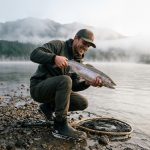
As winter’s chill sets in, many anglers start to put their rods away, thinking that the fishing season is coming to an end. However, for those who understand the behavior of fish in cold waters, winter can actually offer some of the best opportunities for catching trophy-sized fish. One of the key secrets to successful winter fishing is targeting sunken structures and steep drop-offs. These underwater features play a pivotal role in how fish behave in cold months, providing them with shelter, food, and a stable environment as the water cools.
In this article, we’ll explore why steep drop-offs and sunken structures are such productive fishing zones in winter, how to identify them, and the best techniques for fishing them in the colder months.
Why Fish Love Steep Drop-offs in Winter
During the warmer months, fish are often spread out across shallow flats and near the surface, feeding aggressively. However, as temperatures drop and the water cools, fish behavior changes significantly. They move to deeper, more stable water where the temperature is more consistent. This is where steep drop-offs come into play.
1. Stable Water Temperature
Water temperature plays a crucial role in fish behavior. As water cools, it becomes denser, and fish seek out areas with more consistent temperatures to conserve energy. Steep drop-offs offer a natural gradient, with deep water that maintains a more stable temperature compared to shallow, exposed areas. Fish such as bass, pike, walleye, and trout are often drawn to these drop-offs during winter because they provide a reliable refuge from the coldest waters near the shore.
2. Thermal Shelters and Sunken Structures
In addition to maintaining temperature stability, steep drop-offs often feature sunken structures like rocks, boulders, fallen trees, or even old man-made structures like submerged docks or piers. These submerged structures serve as shelters and provide fish with both protection and access to food. They create natural ambush points for predators, and small fish or invertebrates tend to gather around these areas, making them prime feeding zones for larger fish.
The thermal benefits of these structures are also significant. For example, rocks and sunken trees absorb heat from the sun during the day, which helps to warm the surrounding water, creating micro-environments that attract fish. These structures can hold fish even during the coldest months, offering both shelter and a steady supply of food.
3. Deep Water Refuge
As the temperature drops, fish move to deeper water to find refuge from extreme cold near the surface. Steep drop-offs create natural transition zones where fish can move between shallow and deep water. This allows fish to adjust their depth as needed to find the most comfortable and thermally stable environment. These deep areas are often where fish gather in large numbers, making them easy to target for anglers who know where to look.
How to Identify Steep Drop-offs and Sunken Structures
Not all deep areas are equally productive, and understanding how to identify the right drop-offs and structures is key to winter fishing success. Here are some tips for locating these prime fishing zones:
1. Use Sonar and Depth Finders
Modern sonar and fish finders are essential tools for locating steep drop-offs and submerged structures. These devices allow you to see the underwater landscape in real-time, identifying changes in depth and finding structures such as submerged rocks, fallen trees, or sunken wrecks. Look for sudden changes in depth or steep slopes leading down to deeper water. These are often the areas where fish will congregate during the winter months.
2. Look for Points and Channel Edges
Natural points, river channels, and the edges of submerged islands often feature steep drop-offs. Points and channel edges create natural bottlenecks where fish gather, taking advantage of the shelter and food that these areas offer. These locations can often be identified with depth maps or by visually inspecting the water.
3. Check for Structural Features
Look for submerged trees, rocks, or man-made structures in deeper water. These provide critical shelter and attract baitfish, which in turn attract predators like bass and walleye. Such structures can often be found along steep drop-offs or within areas that naturally funnel fish into deeper zones.
4. Watch for Water Temperature Changes
Using a thermometer or temperature probe can help you identify areas where water temperatures remain more stable. Fish tend to gather in areas where the temperature is more consistent, particularly near thermal breaks or structures that act as heat sinks. Steep drop-offs are often the areas where these temperature changes are most pronounced.
Best Winter Fishing Techniques for Steep Drop-offs
Once you’ve identified a steep drop-off or sunken structure, the next step is to employ the right fishing techniques to maximize your chances of landing a big catch. Here are some methods that work particularly well for fishing these deep, cold-water zones:
1. Vertical Jigging
Vertical jigging is a great technique for fishing near steep drop-offs. By dropping your jig straight down to the bottom and then working it back up with small, slow lifts, you can mimic the movement of baitfish or invertebrates that are often found around these structures. This technique is particularly effective when fishing for species like walleye, lake trout, and perch, which tend to stay near the bottom of steep drop-offs.
Use heavy jigs to maintain control in deep water, and try different colors and sizes to see what attracts the fish. Keep the jig close to the bottom, as fish are often lurking near the structure, waiting to ambush prey.
2. Slow Trolling
If you’re targeting large predator fish like pike or bass, slow trolling with large swimbaits, crankbaits, or spoons can be highly effective. Trolling allows you to cover more water along the drop-off and helps you locate where the fish are concentrated. Focus on the areas near structures, as fish will often use these spots as ambush points. Adjust the depth of your lure to match the feeding zone, which is typically near the bottom or slightly above it.
3. Bottom Fishing with Live Bait
For species like catfish or walleye, bottom fishing with live bait is a tried-and-true method. Using minnows, nightcrawlers, or cut bait, drop your rig near the bottom of the drop-off and let it settle near the sunken structures. Fish are likely to hang out around these spots, waiting for easy prey to come within reach.
Use a slow, steady retrieve or let the bait sit still, as fish in colder water may be less active and hesitant to chase fast-moving lures.
4. Use Drop-Shot Rigs
A drop-shot rig is a great tool for fishing vertical structures, especially in deep water. The rig keeps your bait suspended just off the bottom, allowing you to fish over sunken logs or rocks without getting caught in the debris. This method works particularly well for smallmouth bass, perch, and walleye, which are often found in deeper areas near drop-offs.
Final Thoughts: Fishing Winter’s Hidden Depths
Understanding the behavior of fish during the colder months and knowing where to target them is crucial to a successful winter fishing experience. Steep drop-offs and sunken structures are two of the most productive fishing zones in cold water, offering fish both thermal stability and ample food sources. By using the right techniques and tools to locate these areas, anglers can find success in the winter months when others might be heading for the warmth of home.
Whether you’re jigging, trolling, or using live bait, fishing steep drop-offs and sunken structures offers the potential for big catches. So, before the ice sets in, grab your gear and head out to explore the hidden depths that winter has to offer.