

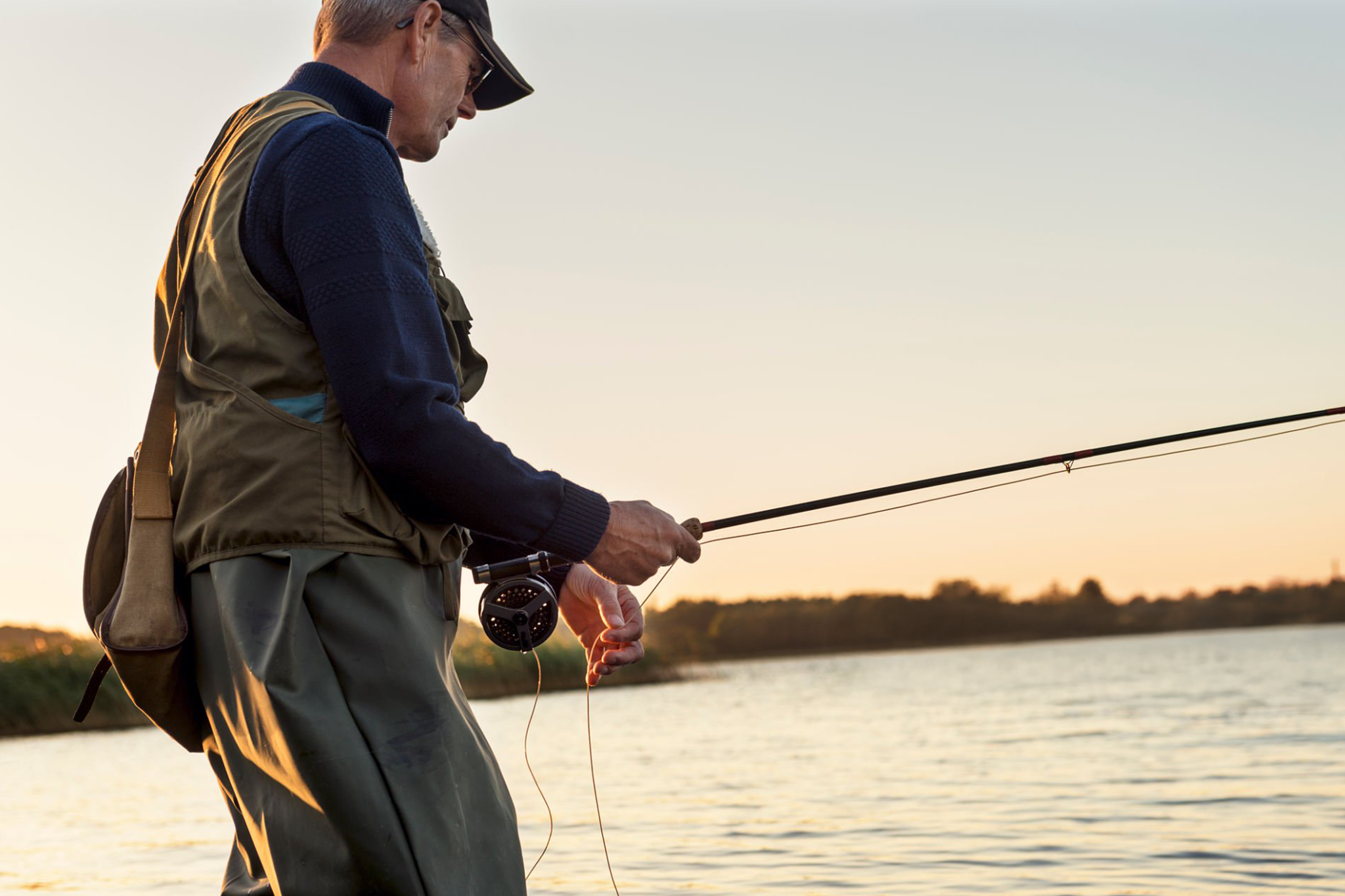
As temperatures plummet and cold fronts sweep through lakes and rivers, anglers often notice the unmistakable slowdown: bass, walleye, and other freshwater species retreat to deeper water, reduce their movement, and become selective about what—and when—they eat. While this can make fishing frustrating for those used to summer’s aggressive surface action, it also presents an opportunity for prepared anglers who understand cold-water behavior and employ the right tactics. Late fall and early winter fishing require a strategic, patient approach designed to trigger lethargic fish into striking.
Understanding Fish Behavior During Cold Snaps
Fish are cold-blooded, meaning their metabolism and activity levels are directly influenced by water temperature. When a cold snap hits:
- Slowed Metabolism: Fish expend less energy, which reduces their willingness to chase fast-moving lures.
- Deep Refuge: Many species seek stable temperatures in deeper water or near structure, where conditions are less affected by the cold.
- Ambush Predation: Fish adopt a “sit-and-wait” strategy, relying on nearby prey to come within striking distance rather than actively hunting.
Understanding these behavioral shifts is the foundation for successfully fishing during cold snaps.
Locating Active Fish in a Chill
Finding lethargic fish requires a combination of observation and technology:
- Thermoclines and Depths: Cold fronts often push fish to specific depths where water temperature is optimal. Using a fish finder can reveal these temperature layers and the fish holding within them.
- Submerged Structure: Logs, brush piles, rocks, and ledges offer shelter and ambush points for fish. Cold-water species congregate near these areas to conserve energy.
- Current Breaks and Drop-offs: In rivers or reservoirs, fish favor areas where current slows or changes depth, providing energy-efficient hunting grounds.
- Feeding Corridors: Even lethargic fish move along predictable paths, such as points or channels, to access food. Targeting these routes can improve catch rates.
Lures and Baits That Trigger Cold-Water Strikes
When fish are lethargic, the right presentation is critical. Slower, realistic, and subtle presentations are often more effective than aggressive techniques:
- Jigs and Soft Plastics: A slow drag along the bottom with a creature bait or finesse jig can entice strikes from deep, sluggish fish.
- Blade Baits and Spoons: These provide vibration and flash, helping fish detect the bait without needing to chase it.
- Drop-Shot Rigs: Presenting a soft plastic just above the bottom allows fish to find the lure with minimal effort.
- Suspended Swimbaits: In deeper water, slowly retrieved swimbaits can mimic baitfish movement, attracting slow-moving predators.
Techniques to Motivate Lethargic Fish
Beyond selecting the right lure, how you fish it is equally important:
- Slow and Steady Retrieval: Avoid fast, erratic movements. A steady, measured retrieve matches the energy level of cold-water fish.
- Pause and Twitch: Periodic pauses and slight twitches can trigger reaction strikes from fish that are hesitant to move.
- Vertical Presentations: Fishing directly over or slightly above structure allows lethargic fish to detect and strike with minimal effort.
- Depth Adjustments: Small changes in depth can dramatically affect results. Experimenting even a few feet above or below fish holding depths can provoke bites.
Timing Your Cold Snap Angling
- Low-Light Periods: Early morning and late afternoon are often the most productive times, as fish make limited movements during these hours.
- Stable Weather Windows: Fishing during brief lulls between cold fronts can yield better results. Immediately after a front, fish may become extra lethargic.
- Thermal Shifts: Small temperature fluctuations, such as sunny spots on deeper flats, can temporarily increase fish activity.
Gear Considerations
Fishing during cold snaps demands specific equipment considerations:
- Line: Fluorocarbon is preferred for sensitivity and low visibility in cold, clear water.
- Rods and Reels: Medium-light to medium rods with soft tips help detect subtle bites without spooking fish.
- Electronics: A high-quality fish finder is invaluable for identifying depths, structure, and the location of lethargic fish holding in deeper water.
Conclusion
Cold snaps do not signal the end of fishing—they merely require a smarter, more patient approach. By understanding how fish respond to sudden temperature drops, targeting structure and thermally stable areas, selecting slow and realistic lure presentations, and adjusting your technique, anglers can continue to trigger strikes from lethargic fish even in the harshest late-fall conditions. The key is patience, precision, and a willingness to adapt—qualities that separate average anglers from those consistently catching big fish in cold water.